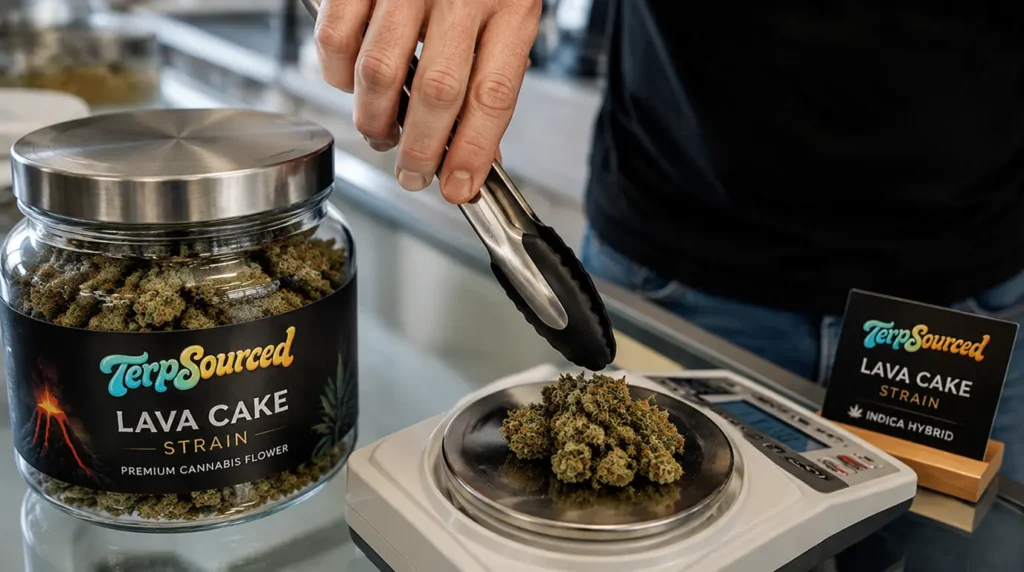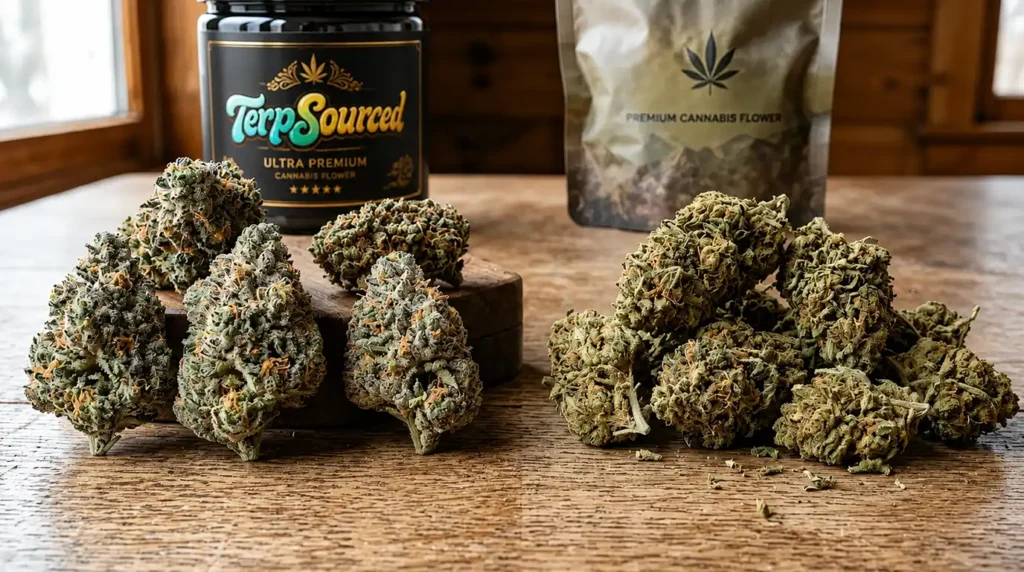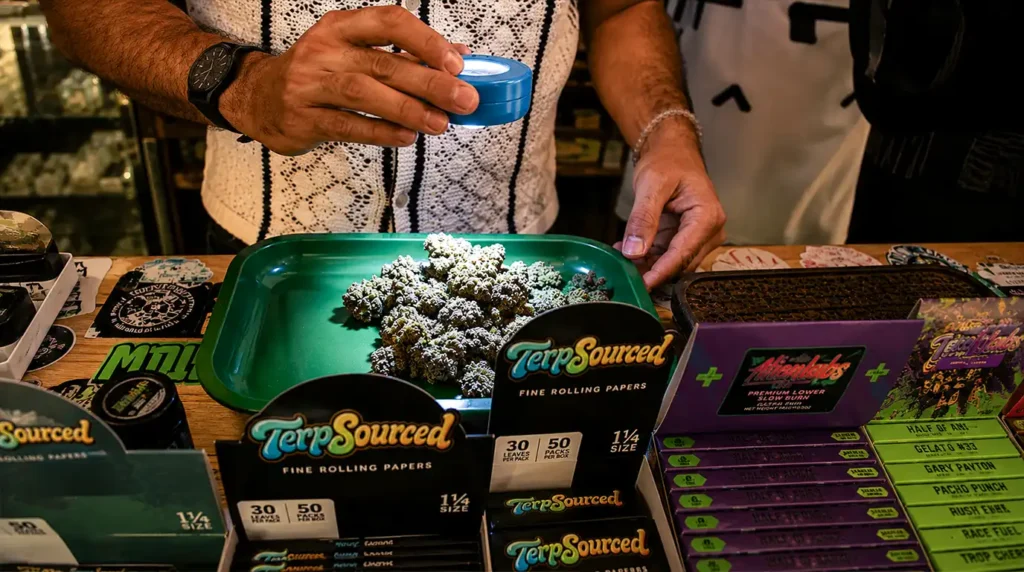
A high THCA percentage alone doesn’t guarantee premium shelf space. Dispensaries increasingly select flower that delivers consistent bag appeal, terpene retention, reliable curing, and recognizable genetics rather than relying only on potency numbers.
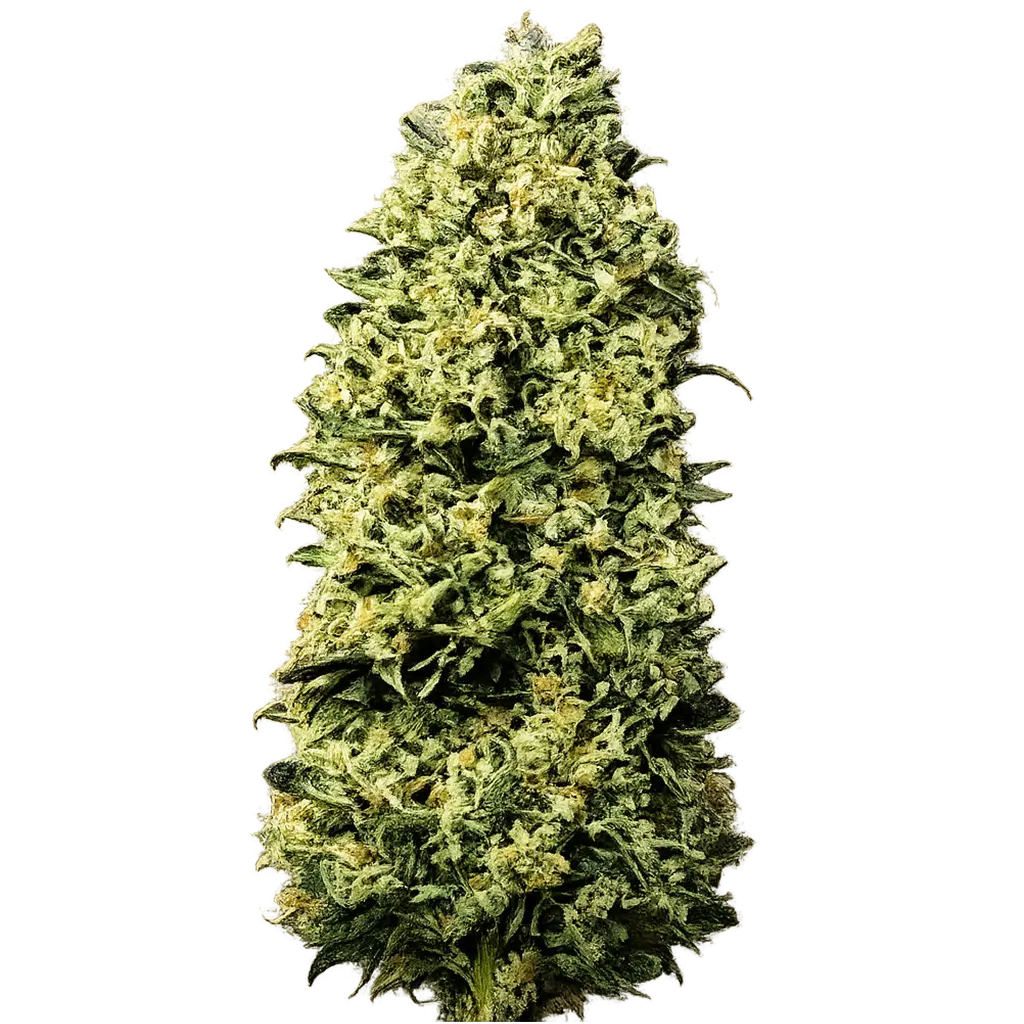
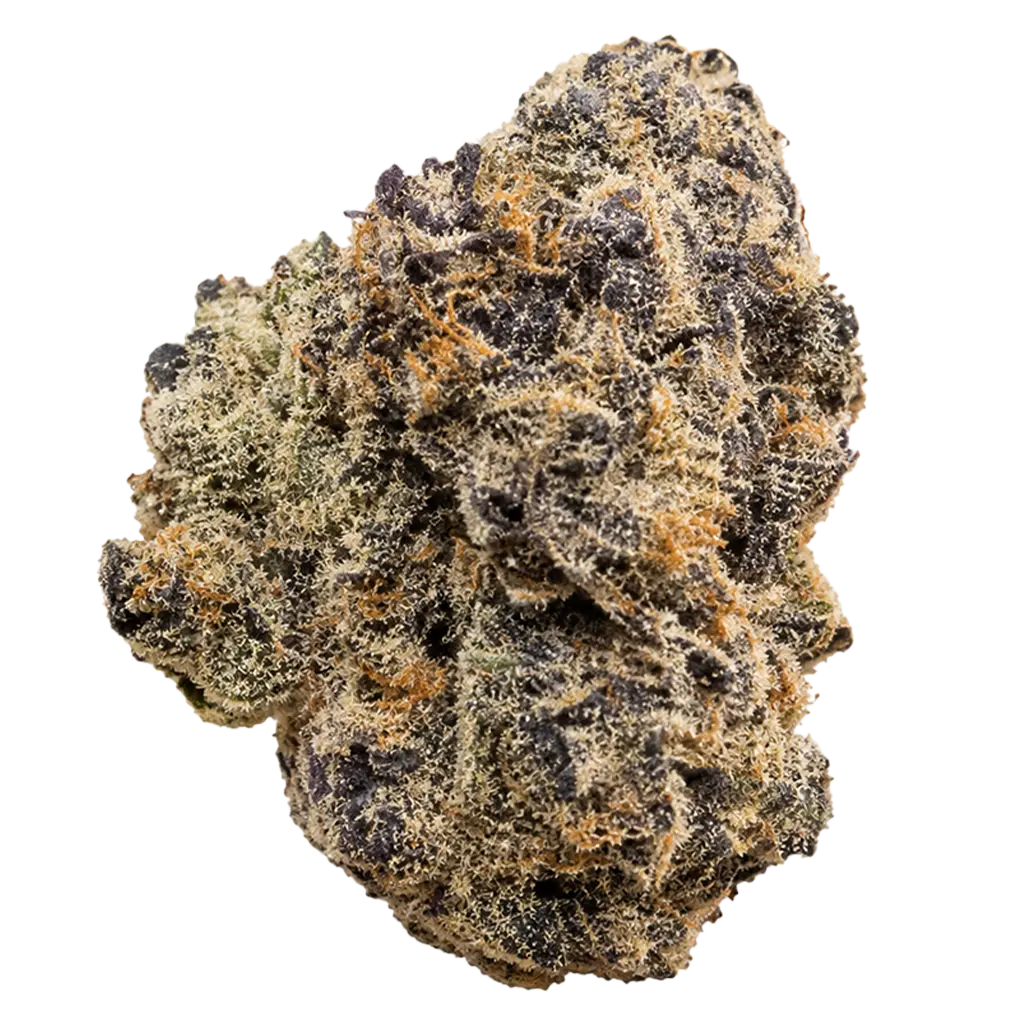
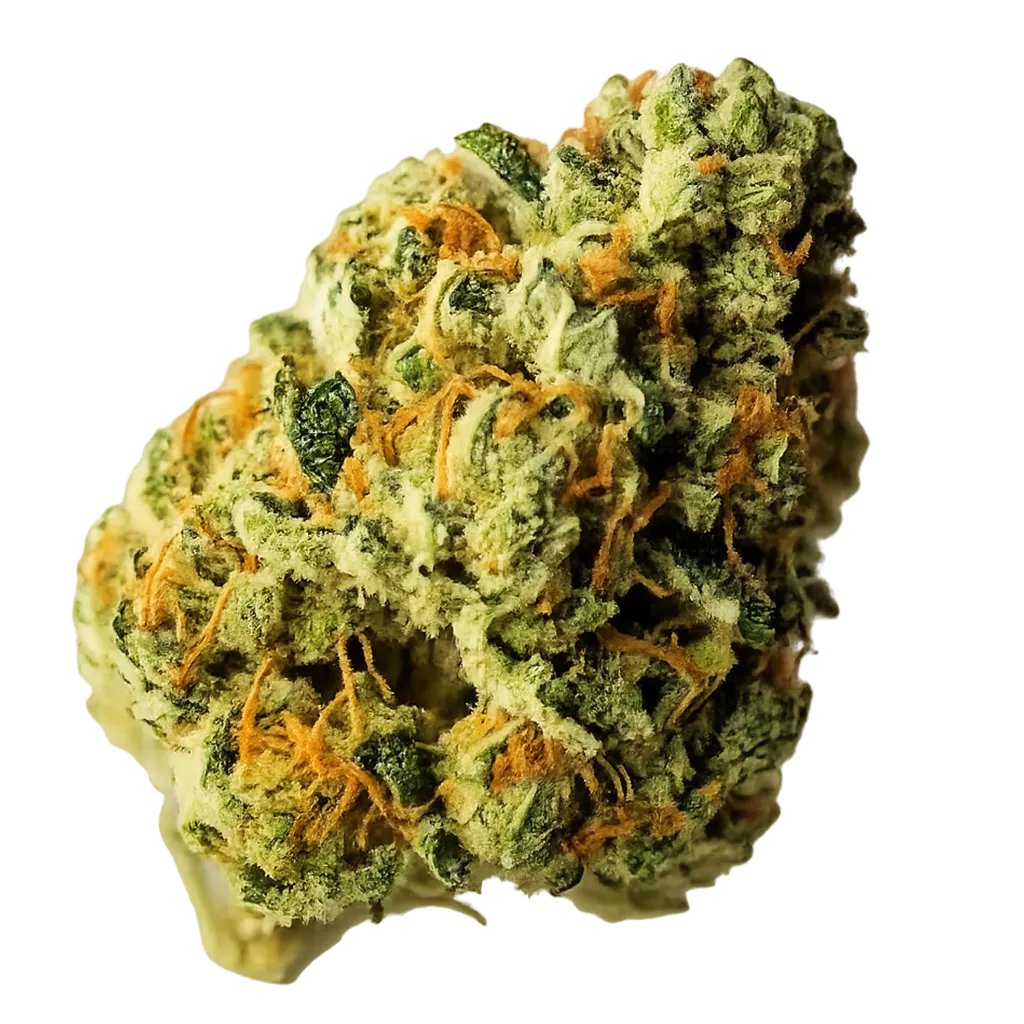
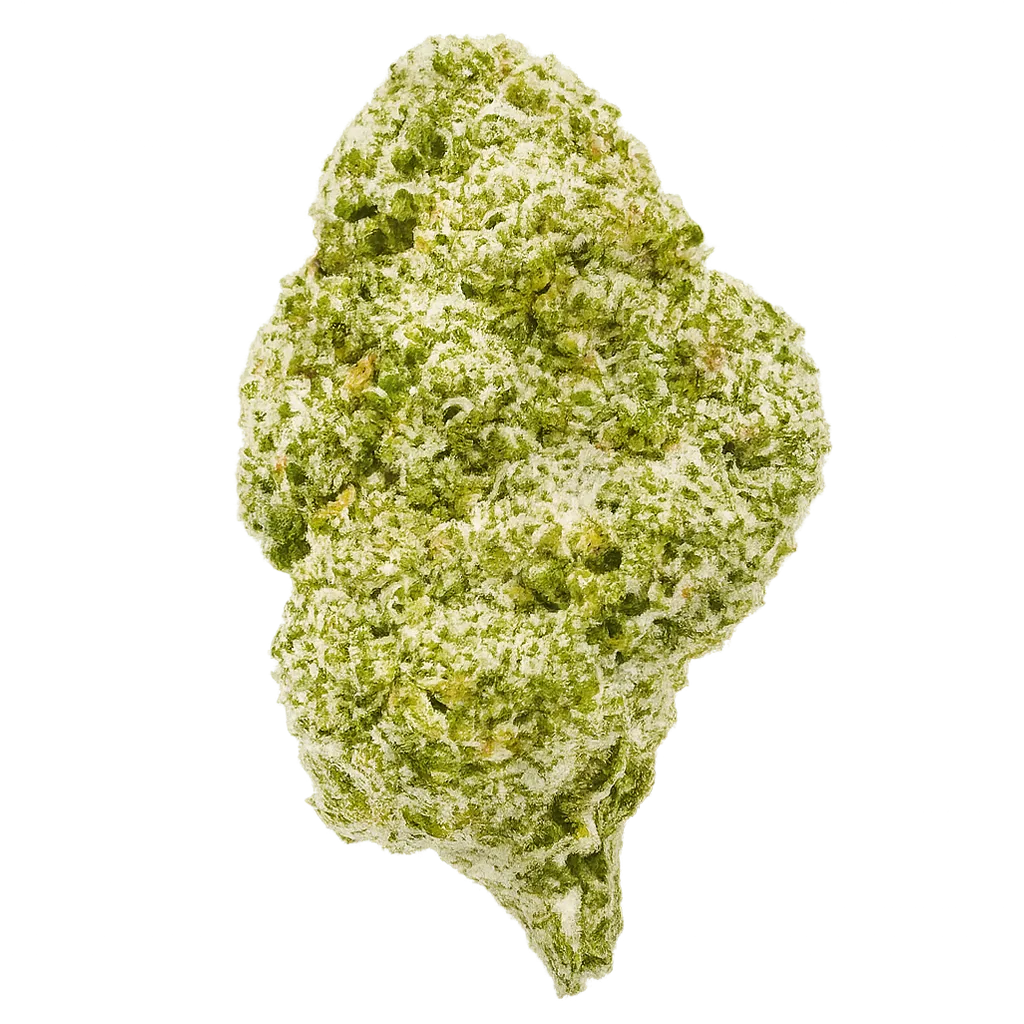
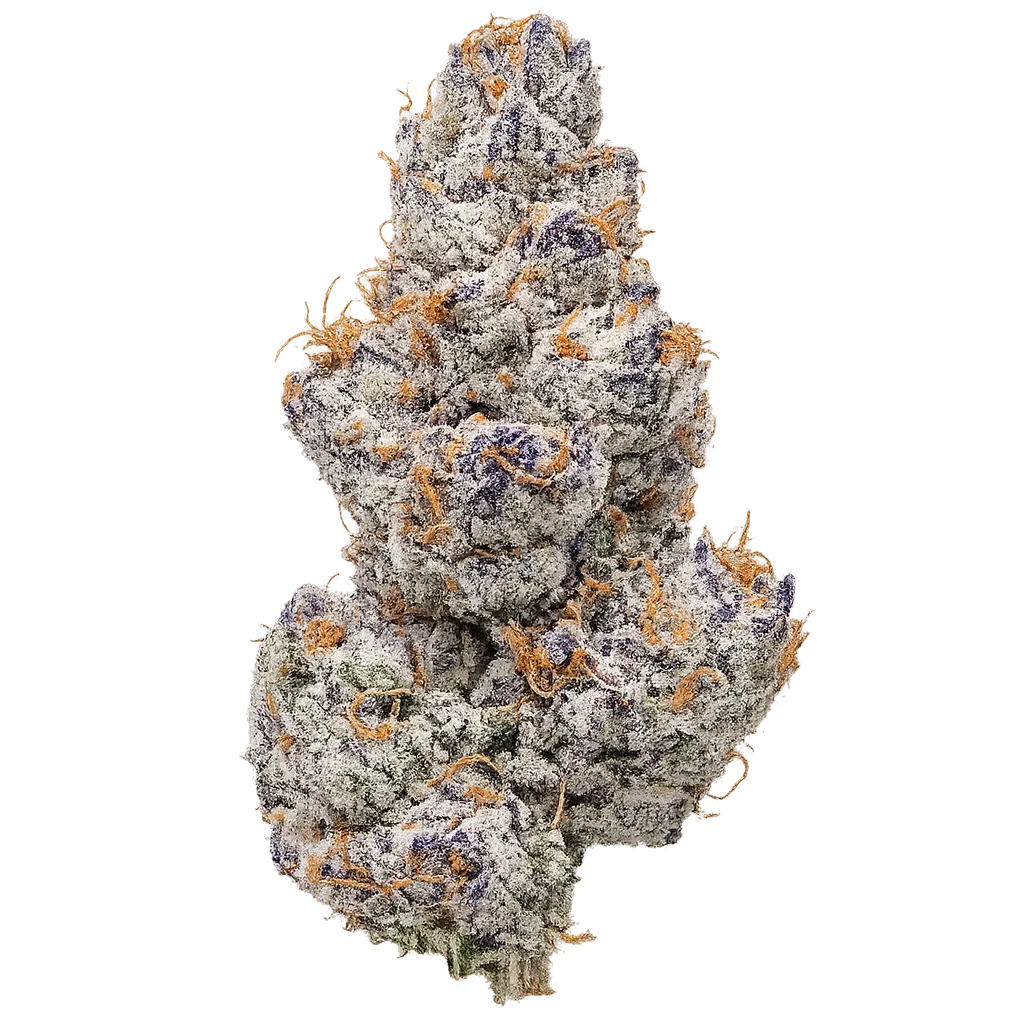
As retail competition increases in 2026, dispensary purchasing teams evaluate premium THCA flower as carefully as price, availability, and supplier consistency before adding new inventory. Understanding which cultivars consistently perform well helps retailers, distributors, and wholesale buyers build product selections that meet customer expectations while maintaining long-term inventory quality.
Not every cultivar qualifies as dispensary grade THCA flower simply because it tests high for cannabinoids. Commercial grading combines laboratory testing, visual inspection, post-harvest evaluation, and batch consistency rather than relying on cannabinoid percentages alone. Understanding the differences between THCA and THC also helps buyers interpret cannabinoid reports more accurately.
Cultivation practices play a major role throughout the grading process. Premium flowers generally come from growers who maintain stable environmental conditions during flowering, harvest at peak maturity, and carefully manage drying and curing after harvest. Many commercial operators target post-cure moisture levels between 10% and 12% while maintaining water activity around 0.55-0.65 aw to help preserve aroma, texture, and shelf stability.
A Certificate of Analysis (COA) also contributes to purchasing decisions by verifying cannabinoid content, terpene results, and compliance testing. Beyond laboratory reports, buyers inspect flower density, trichome coverage, trim quality, and overall consistency across multiple batches. Most distributors value repeatable quality across multiple harvests more than a single batch with unusually high potency.
Most purchasing teams don’t approve inventory based on potency alone. Laboratory testing is only one part of the evaluation process. Instead, they compare laboratory testing with physical appearance, curing quality, aroma, and consistency before deciding which top shelf THCA flower deserves premium shelf placement.
| Evaluation Factor | Why It Matters |
| Certificate of Analysis (COA) | Confirms cannabinoid profile, terpene testing, and compliance results |
| THCA Percentage | Helps position the flower within premium potency tiers |
| Terpene Content | Indicates aroma intensity and overall flower character |
| Flower Density | Improves shelf presentation and perceived quality |
| Moisture & Cure | Supports product freshness and storage stability |
| Trim Quality | Reflects cultivation standards and retail presentation |
| Batch-to-Batch Consistency | Supports long-term retail inventory planning |
Many purchasing teams also evaluate whether growers can deliver consistent inventory across multiple harvests. A flower that maintains stable quality from batch to batch is often more valuable than one producing inconsistent results, even if individual harvests occasionally test higher.
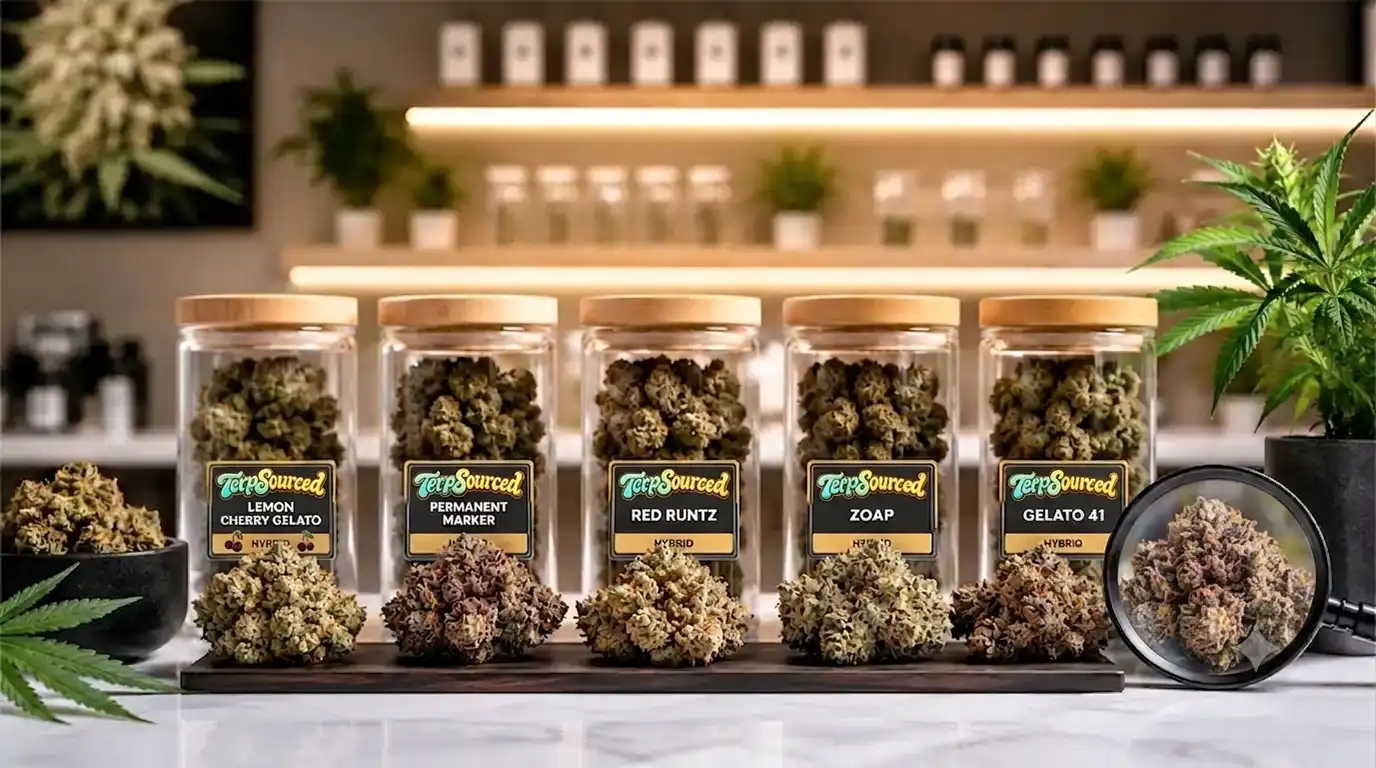
While new genetics continue entering the market every season, only a handful consistently earn premium retail placement. These cultivars combine strong bag appeal, recognizable genetics, reliable terpene expression, and dependable cultivation performance, making them favorites among buyers looking for top shelf THCA flower.
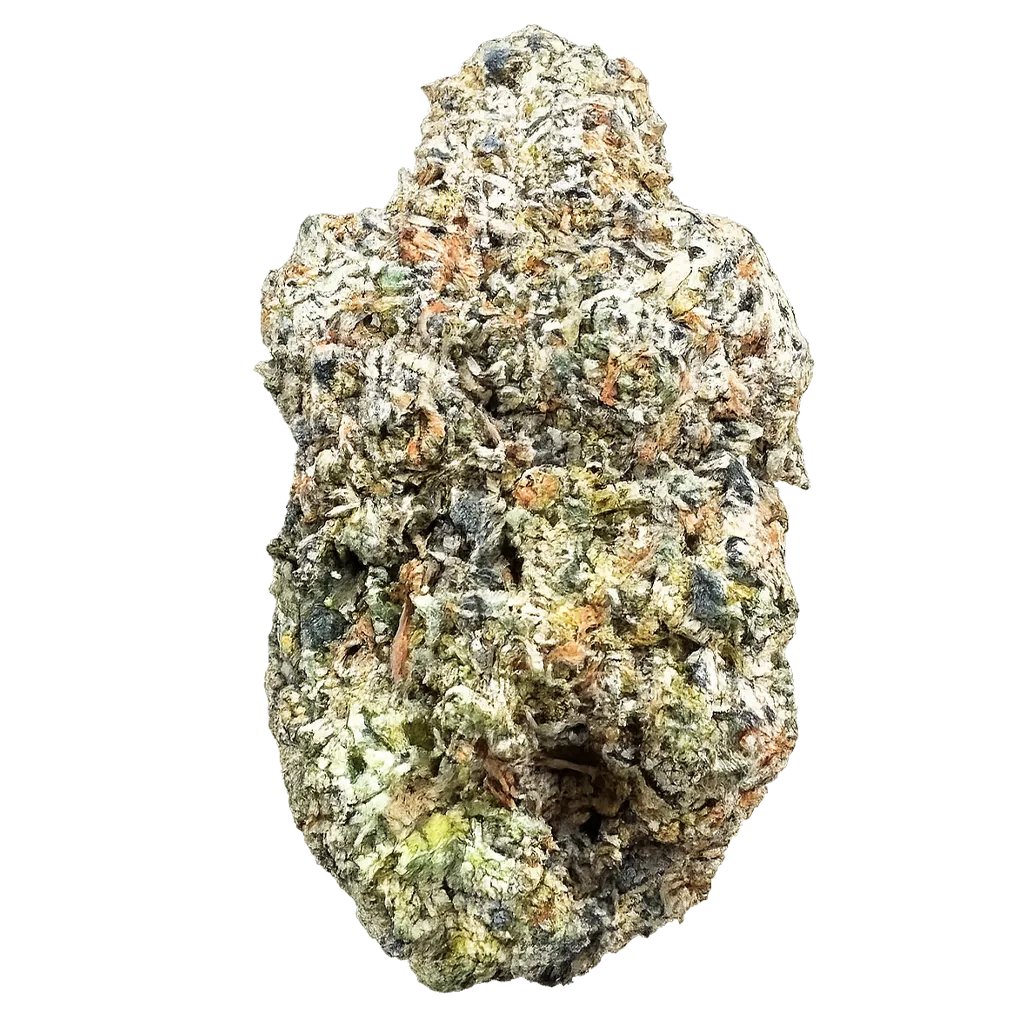
Few cultivars have maintained premium retail demand as consistently as Lemon Cherry Gelato, which remains one of the most recognizable exotic THCA flower strains on today’s premium menus. Its colorful appearance, dense flower structure, and sweet citrus-forward aroma continue making it one of the most recognizable premium cannabis strains available today.
Strain Type: Hybrid
Typical THCA Range: 28-32%
Dominant Terpenes: Limonene, Caryophyllene, Linalool
Flavor & Aroma: Citrus, creamy dessert, sweet candy
Best Retail Placement: Boutique flower shelves
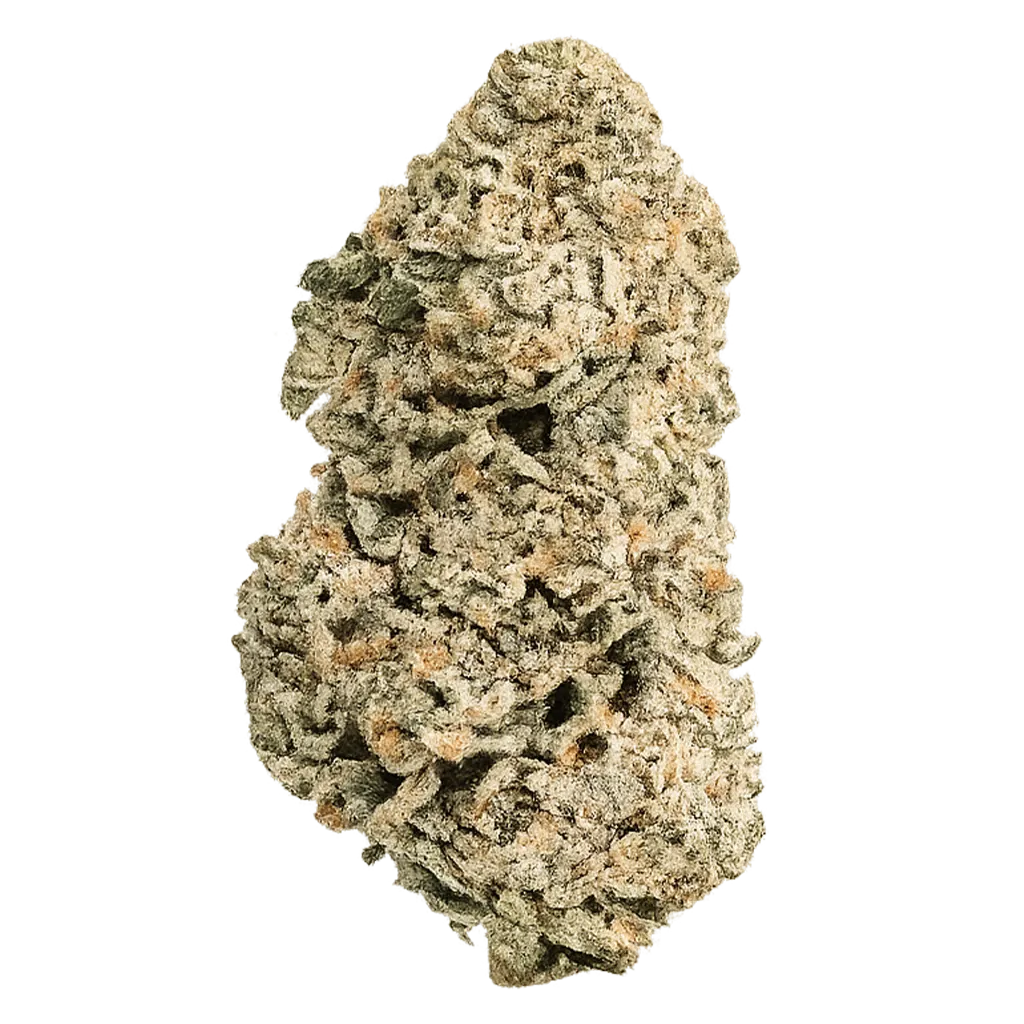
Permanent Marker has quickly become one of the strongest performers within premium dispensary inventory because of its dense trichome coverage, distinctive aroma, and consistent visual presentation. Retail buyers frequently select this cultivar when looking for a flower that combines unique terpene expression with strong shelf appeal.
Strain Type: Hybrid
Typical THCA Range: 27-31%
Dominant Terpenes: Caryophyllene, Limonene, Linalool
Flavor & Aroma: Gas, floral notes, sweet earth
Best Retail Placement: Premium indoor flower collections
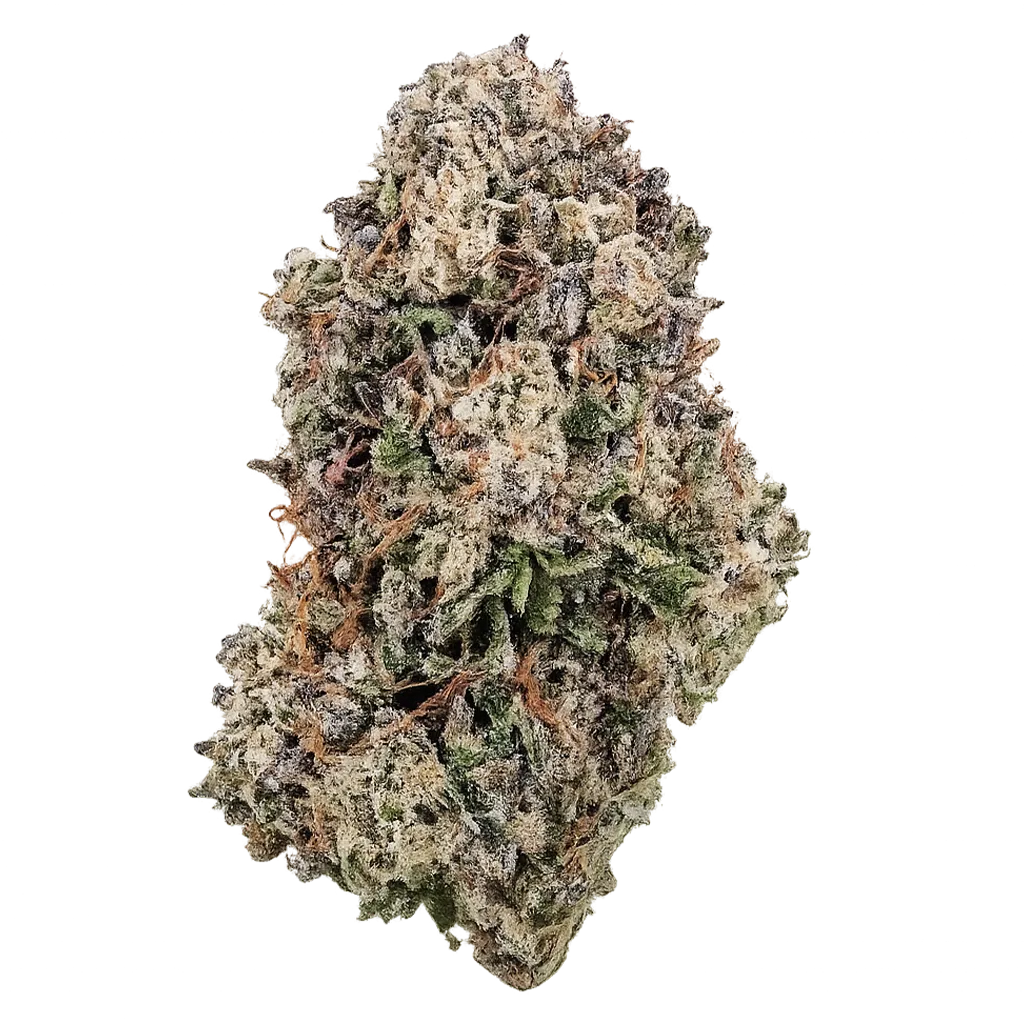
Red Runtz continues attracting both experienced cannabis consumers and first-time buyers because of its bright coloration and candy-forward terpene profile. When cultivated under controlled conditions, this cultivar consistently produces dense buds with attractive visual presentation, helping it remain a reliable option for premium retail displays.
Strain Type: Hybrid
Typical THCA Range: 25-30%
Dominant Terpenes: Caryophyllene, Limonene, Myrcene
Flavor & Aroma: Sweet fruit, candy, light gas
Best Retail Placement: High-traffic dispensary shelves
A strain doesn’t remain on premium dispensary shelves simply because it delivers high THCA percentages. Retail buyers also look for cultivars that maintain consistent appearance, terpene expression, and post-harvest quality across multiple harvests. Customers returning to purchase the same strain expect a similar experience every time, making consistency one of the most valuable characteristics in premium inventory.
Recognizable genetics often influence purchasing decisions because familiar cultivars typically generate stronger customer recognition and more predictable retail demand. Cultivars such as Lemon Cherry Gelato, Permanent Marker, and Red Runtz have built strong reputations because they regularly produce dense flowers, colorful bag appeal, and distinctive terpene profiles when grown under controlled conditions. That familiarity makes it easier for dispensaries to market premium products while giving buyers greater confidence in repeat inventory orders.
Reliable curing and trimming standards further separate dispensary-grade flower from lower commercial grades. Even a visually attractive flower can lose retail value if moisture levels fluctuate or trimming quality becomes inconsistent. Maintaining stable post-harvest quality helps preserve aroma, trichome integrity, and overall shelf presentation throughout distribution, especially when the flower is later used in THCA disposables.
Although both premium and standard flowers serve important commercial markets, they are often positioned differently depending on retail goals and customer demand.
| Comparison Factor | Premium Retail Flower | Standard Wholesale Inventory |
| Bud Selection | Large, hand-selected buds | Mixed flower sizes |
| Trim Quality | Precision trim | Standard commercial trim |
| Terpene Retention | High and consistent | Moderate to variable |
| Visual Appeal | Premium shelf presentation | Functional commercial-grade |
| Typical Use | Boutique retail sales | Bulk flower, prerolls, and extraction |
| Retail Value | Higher price point | Cost-focused inventory |
Neither category is inherently better. Premium inventory supports boutique retail positioning, while standard wholesale flower remains valuable for manufacturers producing THCA concentrates, prerolls, and other large-volume cannabis products.
Choosing premium flower involves much more than reviewing a laboratory potency report. Experienced purchasing teams usually evaluate multiple quality indicators before approving inventory for retail distribution.
Some of the most important factors include:
Purchasing teams often compare Certificates of Analysis from multiple harvests to verify that cannabinoid content, terpene expression, and overall flower quality remain consistent over time. Stable quality from one production cycle to the next generally creates stronger long-term retail performance than occasional high-testing harvests with inconsistent presentation.
Not every business requires premium inventory. Purchasing priorities often depend on product mix, pricing strategy, and customer expectations. Boutique dispensaries often prioritize flower that delivers excellent shelf presentation, recognizable genetics, and consistent customer satisfaction because these qualities help strengthen repeat purchases.
Wholesale distributors frequently reserve premium flower for retailers serving boutique or high-margin cannabis markets. Consistent grading standards make purchasing decisions easier while reducing variability between shipments. At the same time, processors producing prerolls or extraction products may choose more economical flower grades when visual presentation is less important than production efficiency.
The best inventory strategy usually includes a balanced product lineup. Carrying both dispensary-grade flower and standard commercial inventory allows businesses to serve premium retail customers while also supporting value-focused product categories.
The best dispensary-grade THCA flower strains earn premium shelf placement by delivering consistent quality from cultivation through post-harvest processing. While cannabinoid percentages remain an important evaluation factor, today’s dispensaries also prioritize appearance, curing quality, aroma, and repeatable inventory performance before selecting flower for retail shelves.
As premium cannabis markets continue evolving in 2026, retailers and wholesale buyers benefit from working with suppliers that maintain consistent cultivation and grading standards. Whether sourcing top-shelf THCA flower for boutique dispensaries or expanding premium inventory selections, trusted partners like TerpSourced help businesses secure flower that aligns with customer expectations and long-term retail success.
Dispensary-grade flower is evaluated using multiple quality factors rather than potency alone. Buyers typically assess trichome coverage, terpene retention, curing consistency, trim quality, moisture levels, and overall visual presentation before approving inventory for premium retail shelves.
Many premium cultivars commonly test between 26% and 32% THCA, although genetics and cultivation methods can influence results. Experienced buyers also consider terpene content, flower density, and post-harvest quality instead of relying only on laboratory potency.
Cultivars that maintain stable quality across multiple harvests generally perform better in retail environments. Consistent aroma, attractive bag appeal, recognizable genetics, and dependable curing standards help premium strains remain popular among dispensaries.
No. High THCA percentages don’t automatically indicate premium flower. Proper cultivation, trimming, curing, terpene preservation, and visual consistency all contribute to how the flower is graded before reaching dispensary shelves.
A COA verifies cannabinoid potency, terpene testing, and contaminant screening. Commercial buyers use these reports to confirm product quality, regulatory compliance, and batch consistency before making purchasing decisions.
Well-grown premium cultivars often contain total terpene concentrations between 2% and 4%, although actual results vary depending on genetics, cultivation practices, harvest timing, and curing methods.
Retail buyers typically evaluate flower density, trim quality, aroma, moisture content, cannabinoid profile, terpene retention, and batch consistency before approving premium inventory for retail shelves.
Yes. Many wholesale distributors supply premium flower to dispensaries seeking boutique inventory with consistent quality, recognizable genetics, and dependable shelf presentation across multiple harvests.
Yes. Commercial growers often grade flowers after harvest. Larger, more visually consistent buds may become premium retail inventory, while smaller buds from the same harvest are commonly allocated to commercial wholesale programs or manufacturing applications.