
Not every THCA flower deserves to be called exotic. In today’s cannabis market, the term gets used so often that it can be difficult to separate genuinely premium flower from clever marketing. The strains that stand out usually combine strong genetics, unique terpene profiles, eye-catching bag appeal, and consistent cultivation quality.
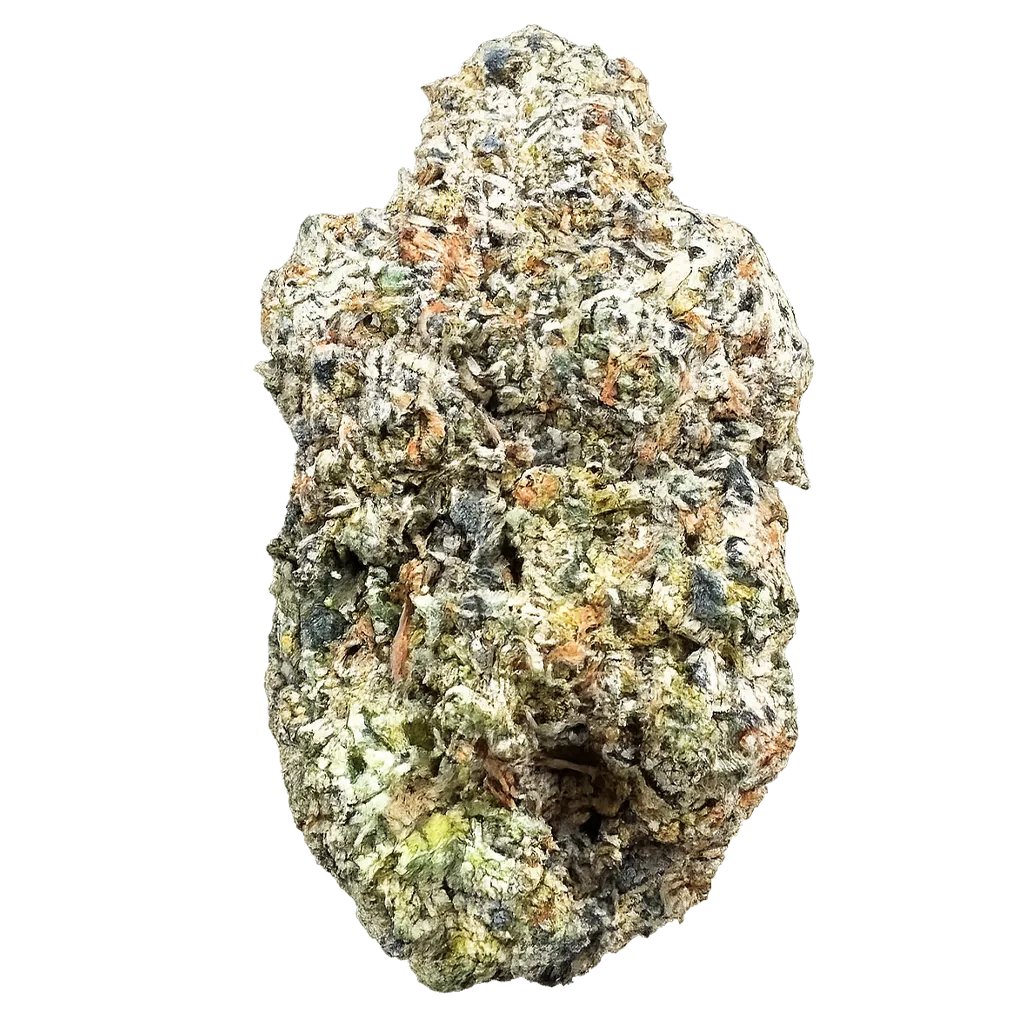
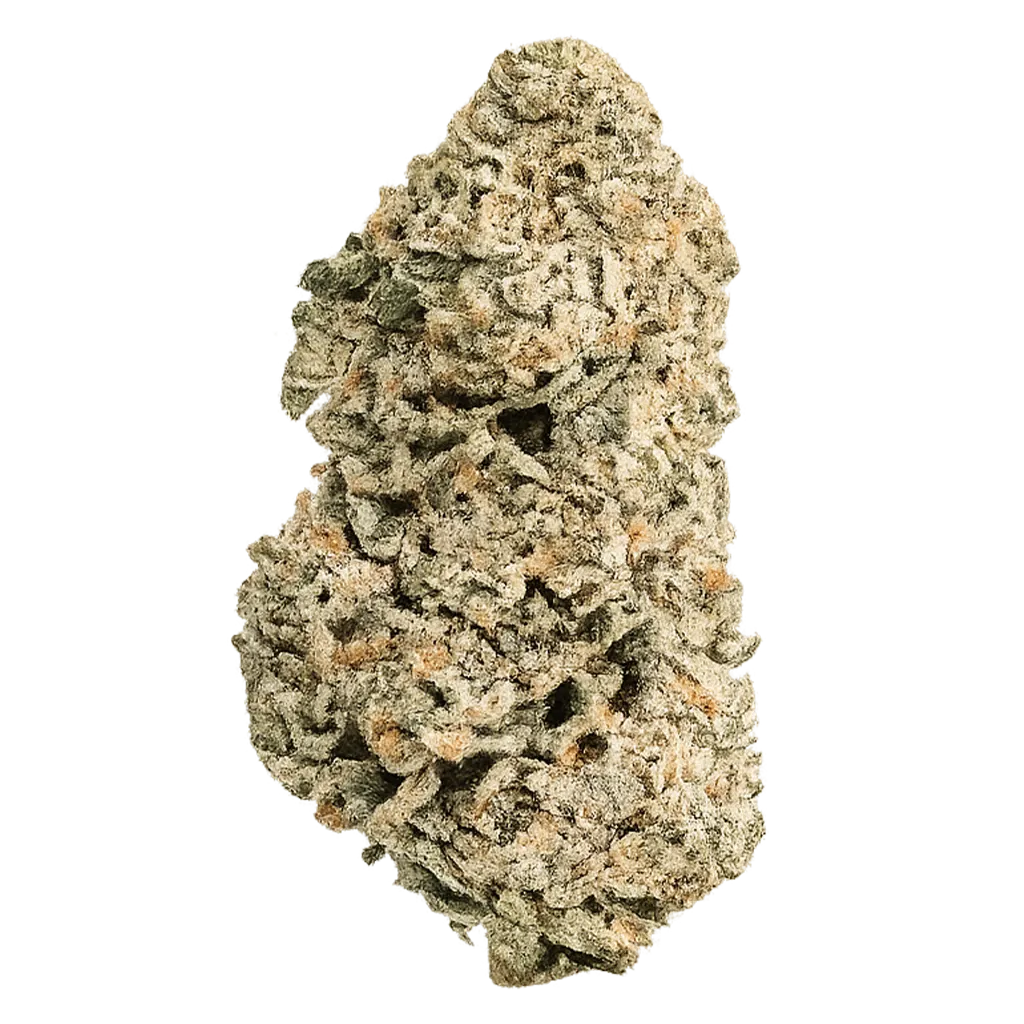
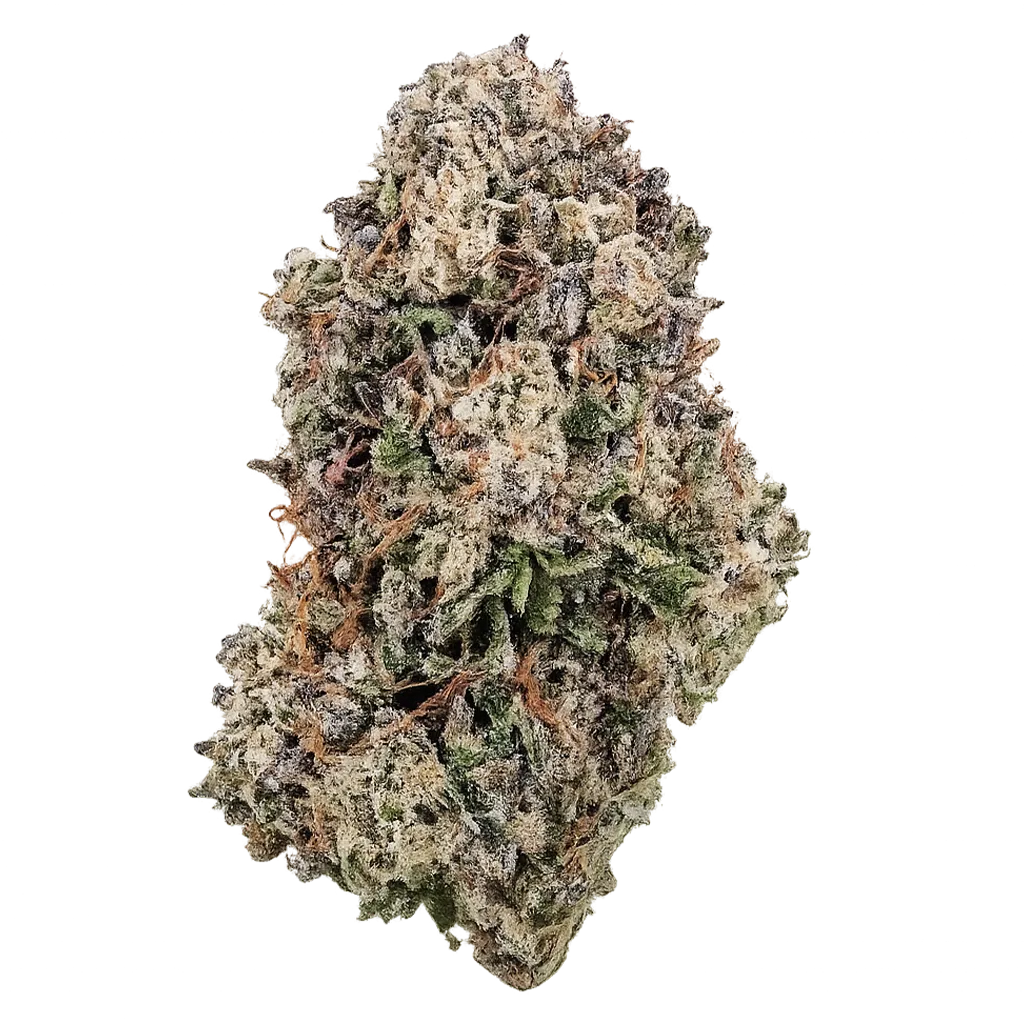
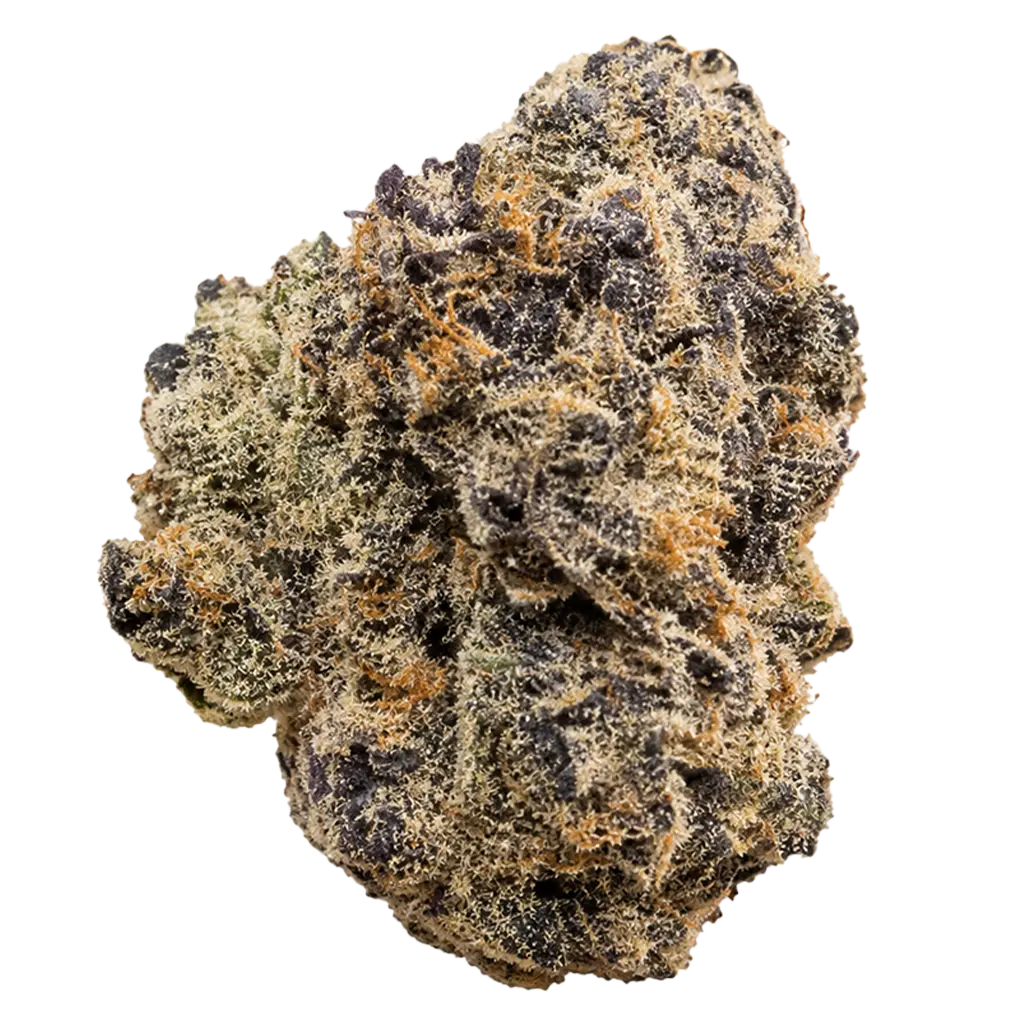
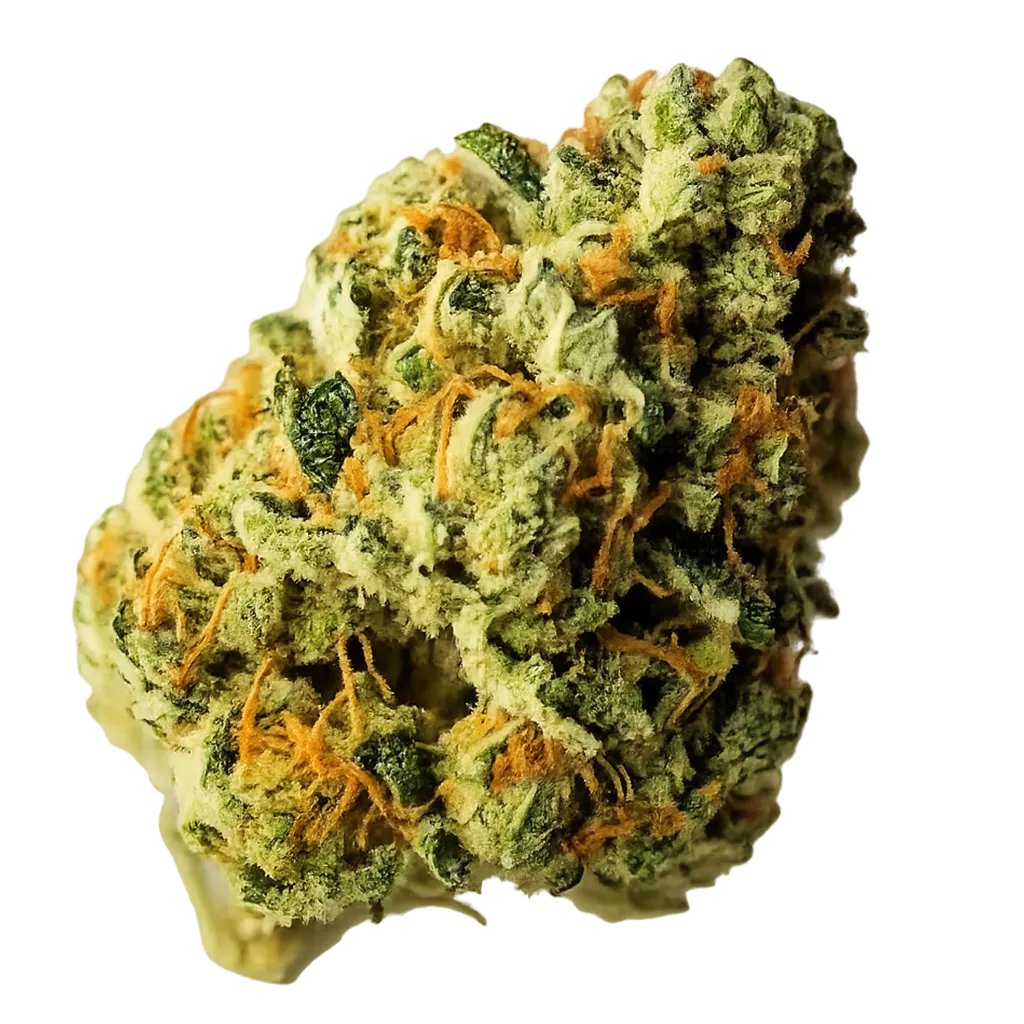
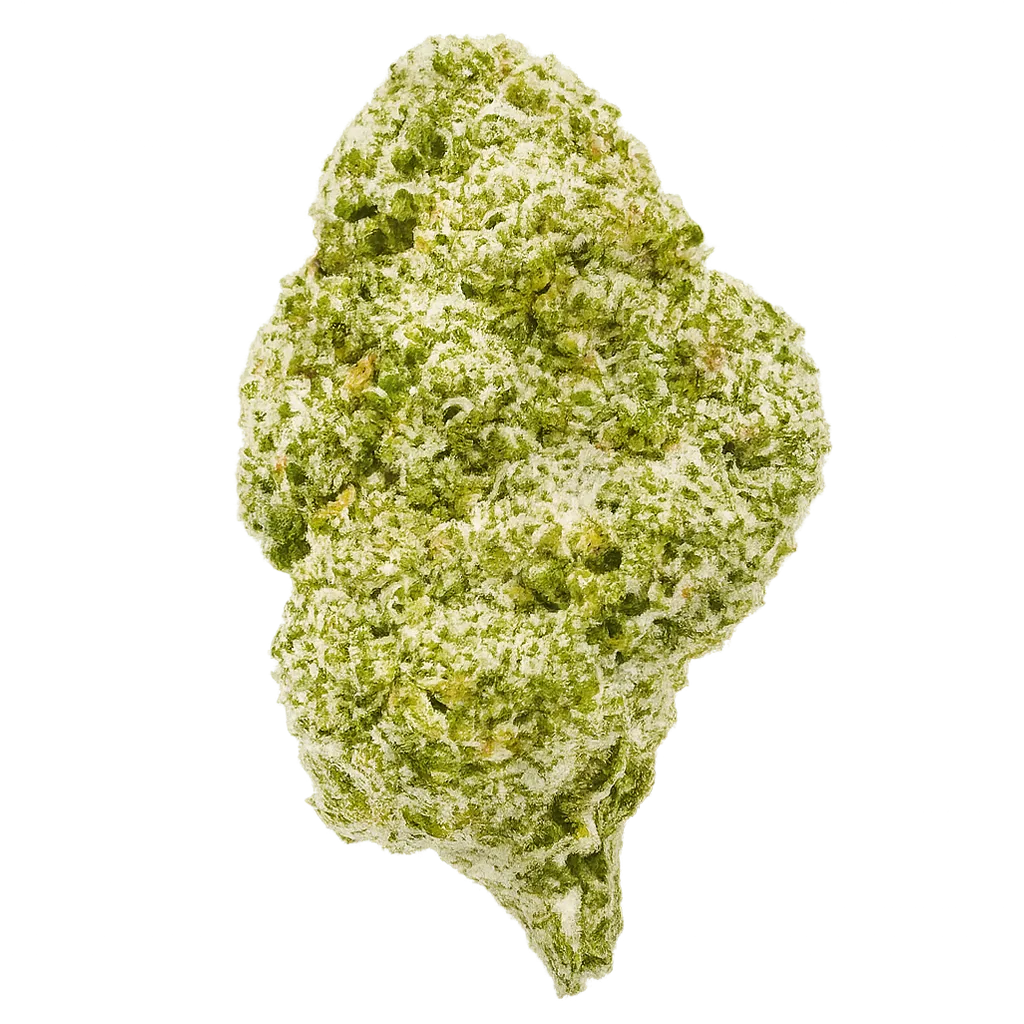
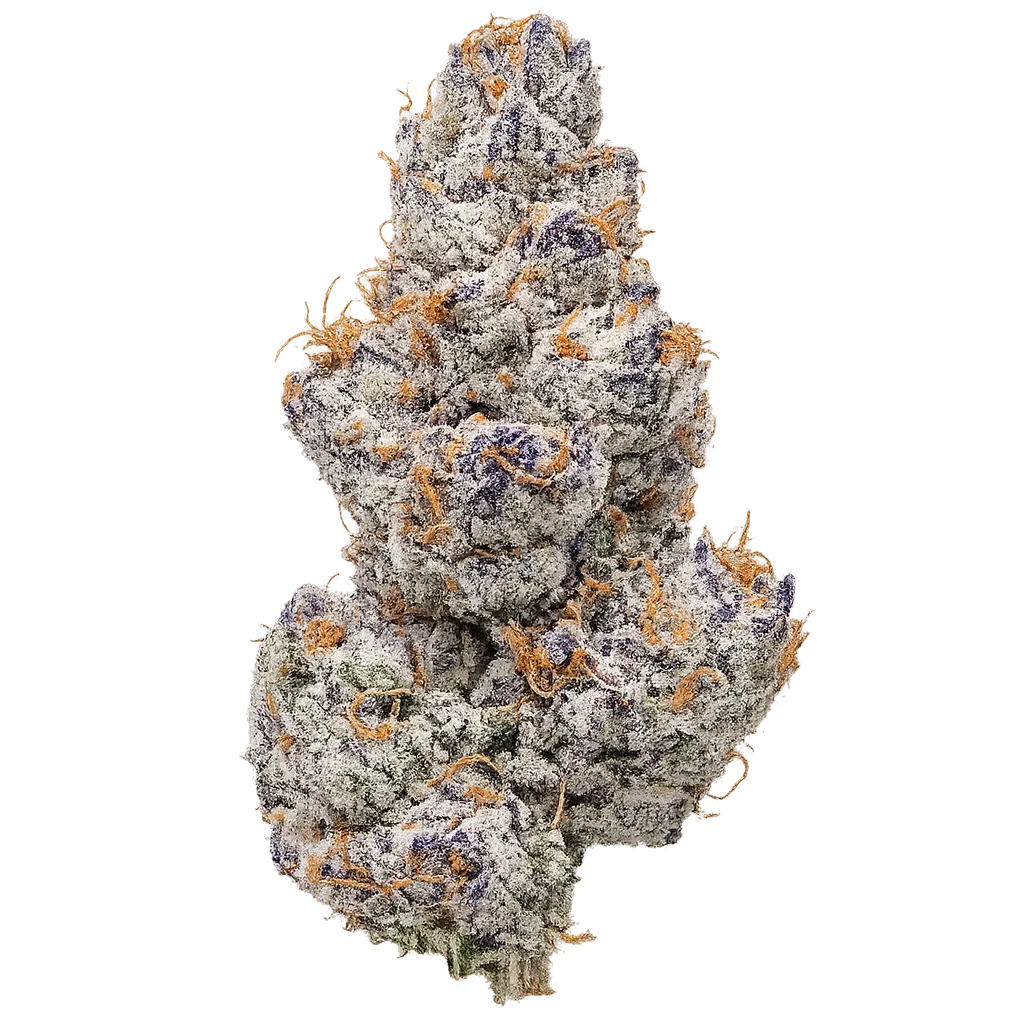
As more flower enthusiasts compare cultivars side by side, aroma, trichome coverage, freshness, and cure quality have become just as important as cannabinoid percentages. Whether you’re shopping in-store or browsing THCA flower online, understanding what makes a strain truly exotic can help you find cultivars that offer more than just a catchy name.
Exotic flowers usually stand out for a combination of genetics, terpene expression, visual appeal, and cultivation consistency.
A genuinely exotic THCA strain usually offers something that immediately stands out from standard flower. Sometimes it’s the aroma. Other times, it’s the appearance, terpene profile, or genetics behind the cultivar. Exotic flowers often combine multiple desirable traits that are difficult to reproduce consistently across harvests.
Many growers spend years refining genetics to create a flower that delivers unique characteristics. Breeders often spend multiple generations stabilizing desirable traits before a cultivar is considered ready for larger-scale production. Dense bud structure, heavy trichome production, vibrant coloration, and complex aromas are all commonly associated with exotic cannabis. However, visual appeal alone doesn’t tell the whole story.
Some cultivars look impressive in a jar but lose much of their aroma once opened. Others become noticeably louder after grinding, releasing layers of sweetness, gas, fruit, or spice that aren’t immediately obvious from appearance alone.
A strain may look impressive but still fall short when it comes to freshness, terpene preservation, or cultivation quality. That’s why experienced consumers often focus on the complete package rather than a single characteristic.
The search for the best THCA flower usually leads buyers toward cultivars that consistently perform across appearance, aroma, and overall premium THCA flower quality. In many cases, a true exotic flower earns its reputation because it delivers a memorable experience long after the packaging is opened.
At first glance, an exotic flower and a standard flower may appear similar. Both come from the same plant, and both can contain impressive cannabinoid percentages. The differences often become more noticeable when quality indicators are examined more closely.
Exotic cultivars are often developed from highly sought-after genetic lineages, many of which later appear within THCA strains.
Many exotic strains produce more distinctive aroma combinations than standard flowers. Fruity, gas-forward, dessert-inspired, and candy-like terpene profiles have become especially popular in recent years.
Premium cultivators frequently dedicate more attention to environmental control, harvest timing, curing procedures, and post-harvest handling.
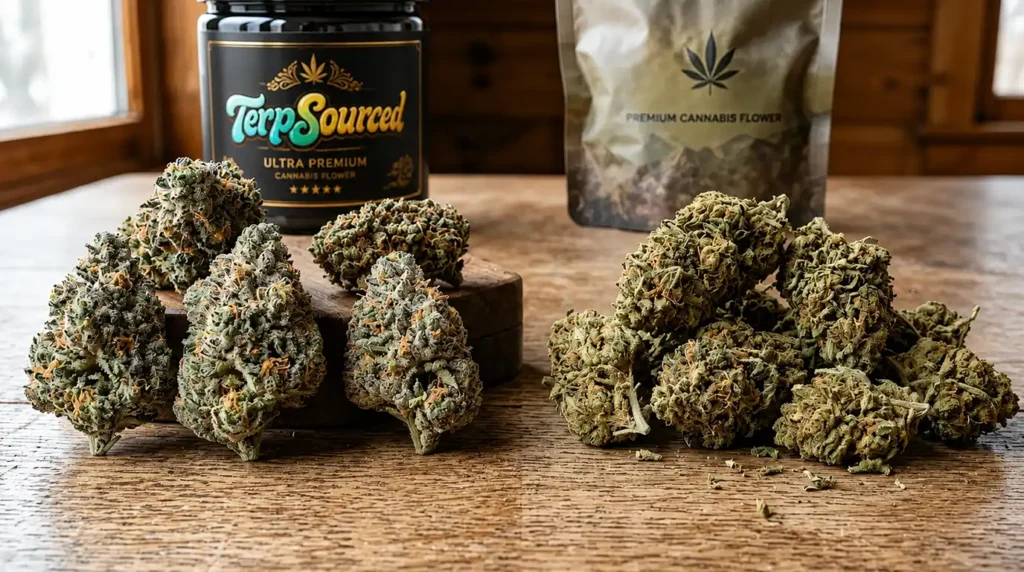
An exotic flower is immediately recognizable on a premium menu for its exceptional bag appeal, which serves as a visual indicator of meticulous post-harvest management:
Experienced flower buyers often look beyond appearance. A cultivar that produces a stronger aroma after grinding than it does directly from the jar is usually a good sign of terpene preservation.
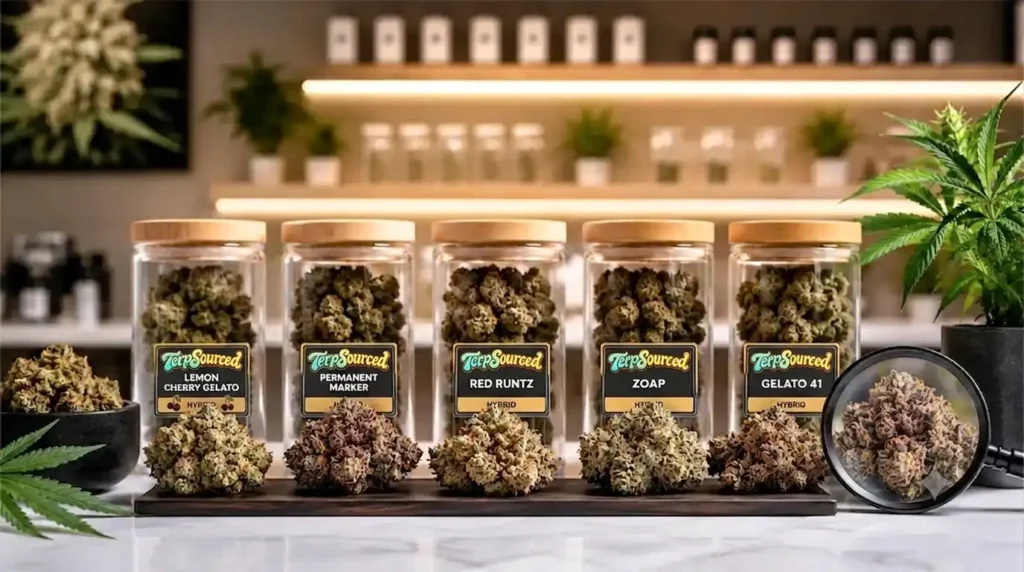
Some strains consistently generate attention because they combine strong genetics, attractive bag appeal, and memorable terpene profiles. While preferences vary, several cultivars continue appearing on premium flower menus across the industry.
The strains below were selected based on consumer demand, terpene uniqueness, bag appeal, and continued visibility across premium flower menus.
| Strain | Known for | Typical Appeal |
| Lemon Cherry Gelato | Sweet citrus and dessert aromas | Premium shelf flower |
| Red Runtz | Candy-forward terpene profile | Strong consumer demand |
| Cereal Milk | Creamy sweetness and balance | Boutique flower markets |
| Zkittlez | Fruity terpene expression | Aroma-focused buyers |
| Gas Face | Heavy gas-forward character | Experienced consumers |
| MAC 1 | Frosty trichome production | Visual appeal |
| Blue Nerdz | Candy-inspired aroma profile | Modern exotic markets |
The strains listed above aren’t necessarily the only options worth considering, especially for buyers exploring premium THCA strains. New genetics enter the market every year, but these cultivars have remained popular because they consistently combine strong aroma, visual appeal, and recognizable terpene profiles.
Popularity doesn’t always mean quality, but it can reveal which cultivars are generating the most attention among consumers.
Well-grown batches often release a sweet citrus aroma that becomes noticeably stronger once the flower is broken apart. Its colorful appearance and rich terpene profile have helped make it one of the most recognizable exotic cultivars on premium menus.
Strain Type: Hybrid
THCA Range: 28-32%
Flavor & Aroma: Citrus, sweet candy, dessert notes
Its combination of aroma, color, and recognizable genetics continues attracting both experienced consumers and newer buyers looking for exotic flower options. Dense buds and candy-forward terpene expression contribute to its continued popularity.
Strain Type: Hybrid
THCA Range: 25-30%
Flavor & Aroma: Candy, fruit, sweet gas
This cultivar continues attracting buyers looking for something slightly different from traditional dessert-style genetics. Its creamy terpene profile and consistent flower quality have helped it remain relevant across changing strain trends.
Strain Type: Hybrid
THCA Range: 24-29%
Flavor & Aroma: Creamy sweetness, vanilla, light fruit
Its fruity terpene profile and colorful flower structure have helped make Zkittlez one of the most recognizable exotic cultivars in the cannabis market. The strain remains popular among consumers who appreciate sweet, fruit-forward aromas and consistent bag appeal.
Strain Type: Indica-Dominant Hybrid
THCA Range: 20-26%
Flavor & Aroma: Tropical fruit, citrus, sweet candy
As fuel-forward cultivars continue gaining attention, Gas Face remains one of the most recognizable options within that segment of the market. Heavy resin production and pungent aroma help distinguish it from sweeter exotic strains.
Strain Type: Hybrid
THCA Range: 26-31%
Flavor & Aroma: Diesel, fuel, earthy spice
Growers often continue working with MAC 1 because its resin production remains impressive across multiple harvests, making it a common reference point in hybrid vs indica discussions. Frosty trichome coverage and strong bag appeal continue driving consumer interest.
Strain Type: Hybrid
THCA Range: 24-30%
Flavor & Aroma: Citrus, earth, creamy spice
Blue Nerdz continues gaining attention among exotic flower enthusiasts because of its candy-inspired aroma profile and vibrant visual appeal. Well-grown batches often showcase dense buds, strong trichome coverage, and a sweet terpene expression that stands out on premium flower menus.
Strain Type: Hybrid
THCA Range: 25-30%
Flavor & Aroma: Sweet berries, candy, fruity notes
Shopping for exotic flowers becomes much easier when buyers know what to evaluate before making a purchase. Experienced buyers rarely rely on strain names alone. Instead, they evaluate multiple indicators that can reveal whether a flower truly deserves a premium price.
Sourcing teams and discerning consumers look past basic strain marketing and score premium flower batches using actionable evaluation checkpoints:
Many experienced flower enthusiasts pay just as much attention to terpene quality, freshness, and cure quality as they do to cannabinoid percentages. Instead, they evaluate multiple quality factors before deciding which flower deserves a place in their rotation.
Premium pricing across high-end wholesale cannabis tiers is dictated by real agricultural and financial variables rather than shelf hype:
Limited-release cultivars can sometimes sell out quickly, especially when growers produce only a small number of batches each year. Popular cultivars with limited availability often command higher prices because consumers actively seek them out, similar to trends seen when comparing thcv vs thca products.
Large-scale production can sometimes lower costs, which is why buyers searching for the best bulk THCA flower often focus on cultivators capable of maintaining quality while producing larger harvest volumes.
Not every expensive flower is automatically exotic, and not every affordable flower lacks quality. However, premium pricing is often associated with strains that combine rarity, cultivation difficulty, strong consumer demand, and consistent post-harvest quality.
Understanding these factors can help buyers better evaluate whether a flower’s price reflects genuine quality or simply marketing.
For many consumers, the answer is yes. Online cannabis shopping has become significantly more transparent than it was several years ago, giving buyers access to detailed product information before making a purchase.
One of the biggest reasons people shop online is access to genetics that may never appear in local dispensaries. Online retailers often carry a broader selection of strains than local stores, allowing consumers to compare genetics, terpene profiles, and cannabinoid data from multiple products at once. This can be especially helpful for consumers searching for specific exotic genetics that may not be available through local inventory.
Another benefit is accessibility. Consumers living in areas with limited local inventory may find more options available through online platforms than through nearby retailers.
That said, not every online seller maintains the same standards. Buyers should always review laboratory testing, cultivation information, and customer feedback before placing an order.
The goal isn’t simply finding the cheapest flower available. It’s finding a flower that consistently delivers quality, freshness, and accurate product information. When those factors are present, online shopping can provide access to some of the most sought-after exotic cultivars available today.
Some of the most memorable exotic cultivars aren’t necessarily the strongest on paper. What often separates them is aroma, terpene complexity, cure quality, and the ability to stand out long after the jar is opened.
As exotic cannabis markets continue evolving, consumers have more choices than ever before. Whether you’re searching for rare genetics, shopping for THCA flower online, or comparing options for the best bulk THCA flower, understanding the factors that influence quality can help you make smarter purchasing decisions. The most memorable flower isn’t always the most heavily marketed – it’s often the cultivar that consistently delivers quality from harvest to consumption.
Exotic THCA flower usually stands out because of its genetics, terpene profile, visual appeal, and cultivation quality. These strains often produce dense buds, strong aromas, vibrant coloration, and heavy trichome coverage that help separate them from more common flower varieties.
The answer often depends on personal preference, but cultivars such as Lemon Cherry Gelato, MAC 1, Red Runtz, and Cereal Milk consistently appear among the most sought-after exotic THCA flower options.
Not necessarily. While premium flowers often cost more because of cultivation methods, genetics, and demand, price alone doesn’t guarantee quality. Some lesser-known cultivars can deliver excellent aroma, freshness, and terpene expression without carrying the highest price tag.
Yes. Many consumers now purchase THCA flower online because it offers access to a wider selection of strains than they might find locally.
Before purchasing, check factors such as terpene profile, trichome coverage, moisture content, cultivation information, and third-party laboratory testing. Experienced buyers usually evaluate overall flower quality rather than focusing only on cannabinoid percentages listed on the product label.
Some cultivars are produced in smaller quantities due to cultivation difficulty, limited genetics, or strong market demand. When a strain gains popularity quickly, availability can become limited, which often increases consumer interest and contributes to higher retail pricing.
It can be, especially for consumers who already know which strains they enjoy. Purchasing larger quantities may provide better value while ensuring consistent access to a preferred cultivar, provided the flower is stored properly to maintain freshness over time.
Not always. Some of the most respected exotic cultivars are known more for aroma, terpene complexity, and cultivation quality than for having the highest cannabinoid percentage on the shelf.
Terpenes are responsible for many of the aromas and flavor characteristics consumers associate with premium flower, making them one of the most important factors when evaluating overall strain quality.