Two THCA flower jars can display nearly identical cannabinoid percentages, yet one earns premium shelf placement while the other is sold as value-priced inventory. The difference isn’t determined by potency alone. Experienced buyers evaluate everything from terpene preservation to post-harvest handling before classifying flower quality.
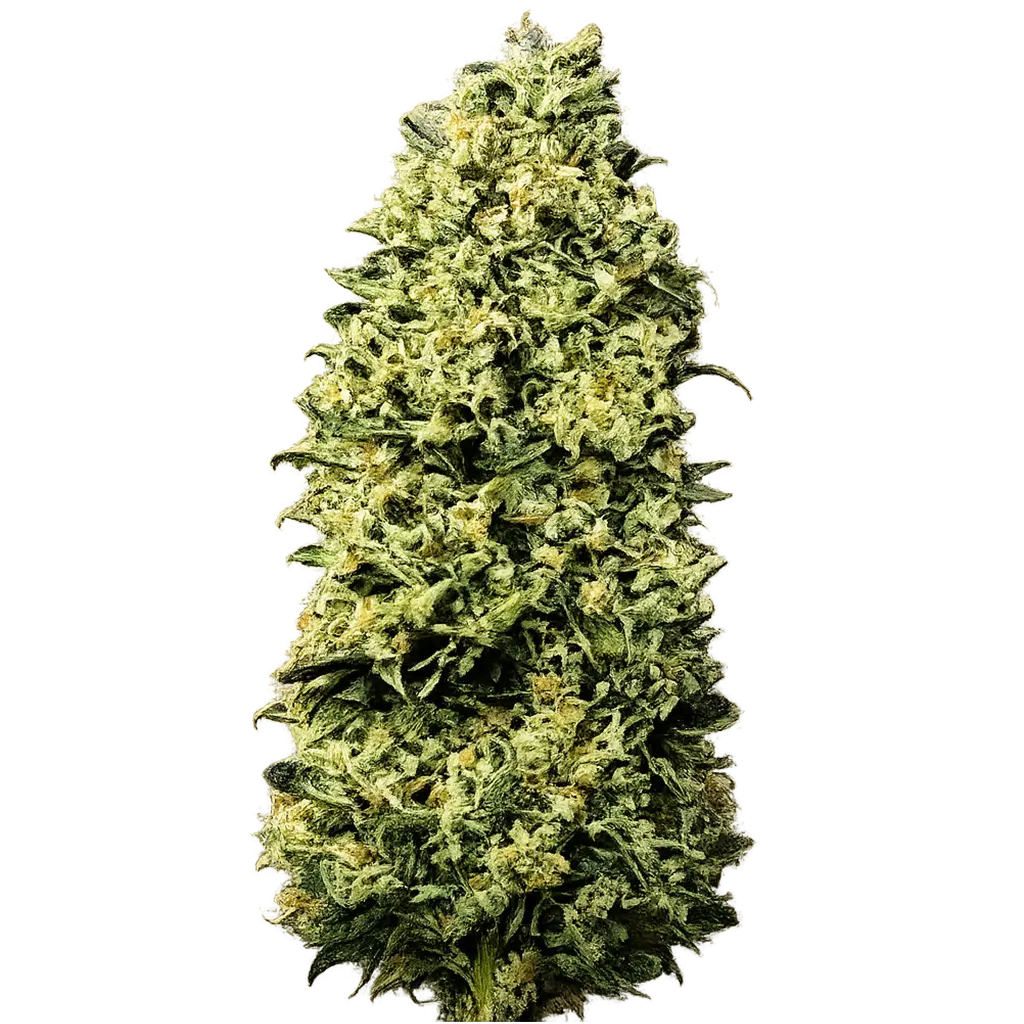
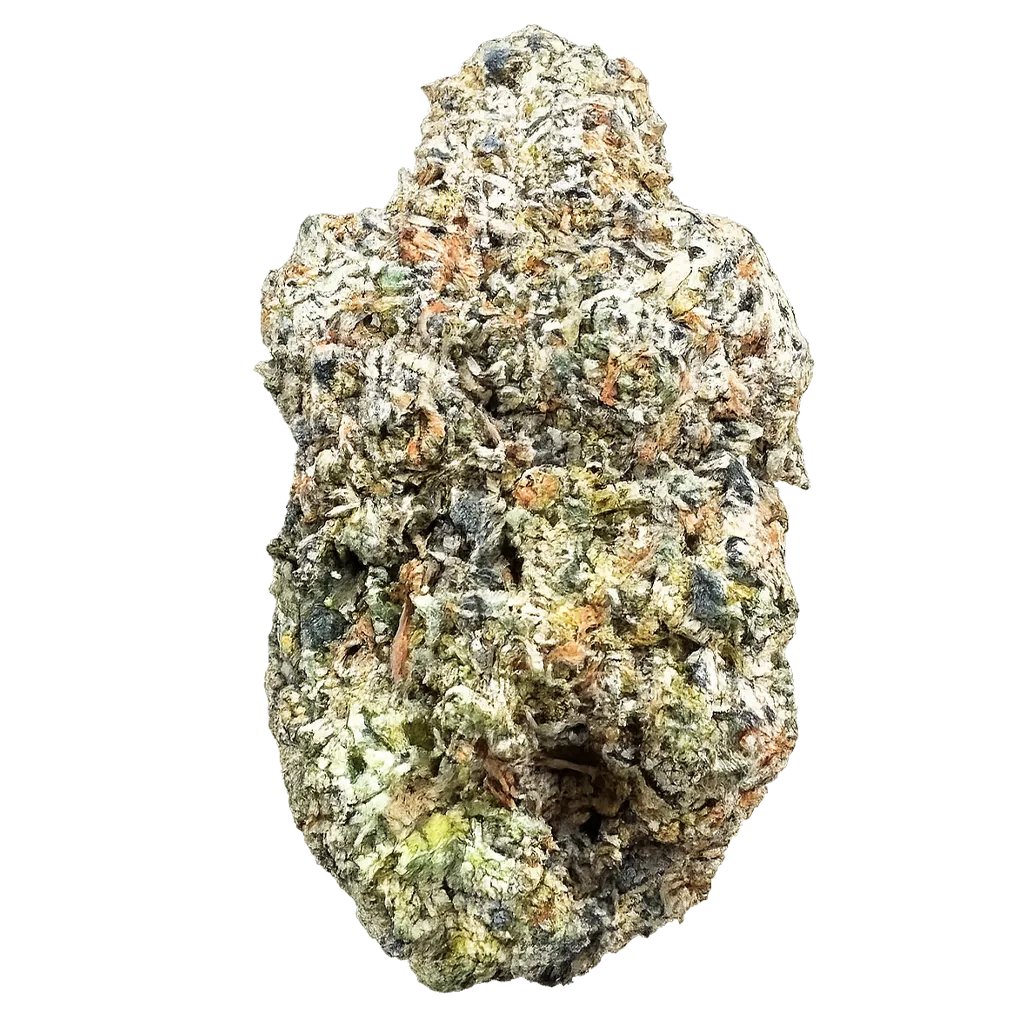
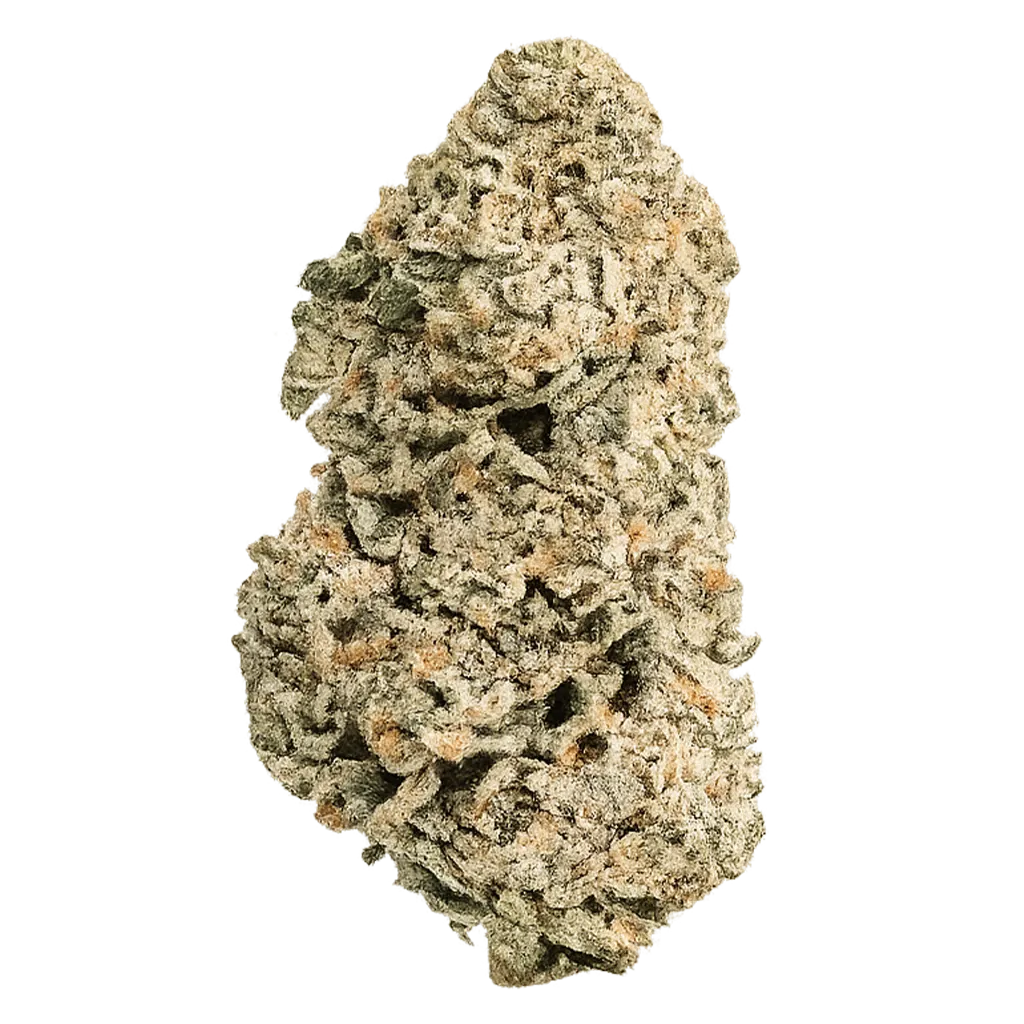
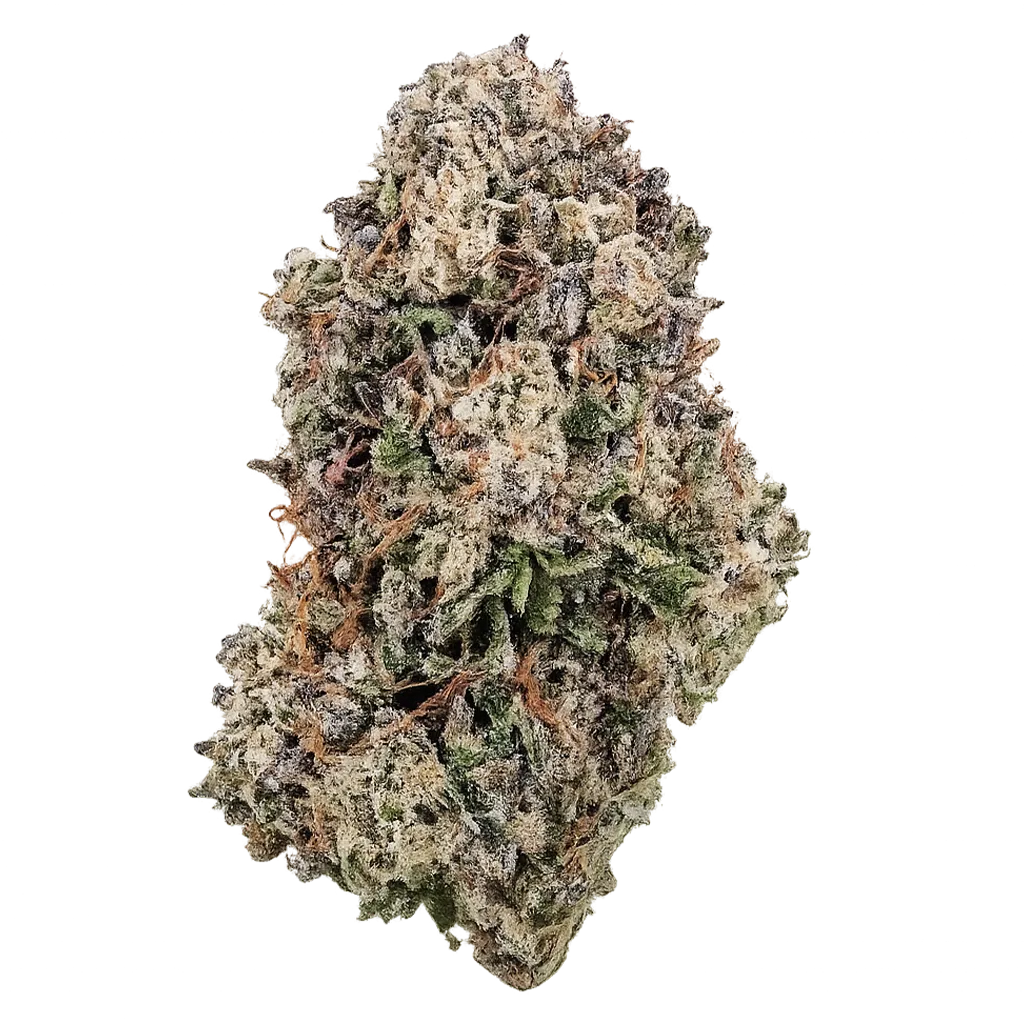
Whether you’re sourcing inventory for a dispensary, comparing wholesale suppliers, or evaluating premium THCA flower for premium retail shelves, understanding modern grading standards helps separate marketing claims from measurable quality. This guide explains what truly differentiates dispensary grade THCA flower from budget flower in today’s commercial cannabis market.
Not every flower with a high THCA percentage qualifies as dispensary grade THCA flower. Commercial grading involves evaluating multiple quality factors before the flower reaches retail shelves. Cultivators, processors, and wholesale buyers assess appearance, aroma, curing consistency, moisture content, and trichome preservation together rather than relying on cannabinoid percentages alone, since understanding THCA vs THC helps explain why potency isn’t the only grading factor.
Most commercial buyers also request a Certificate of Analysis (COA) before approving inventory. Besides confirming THCA potency, a COA verifies cannabinoid content, terpene results, and contaminant testing, giving buyers additional confidence in product quality and batch consistency. Many commercial operators target post-cure moisture levels between 10% and 12%, helping protect aroma while supporting long-term storage stability.
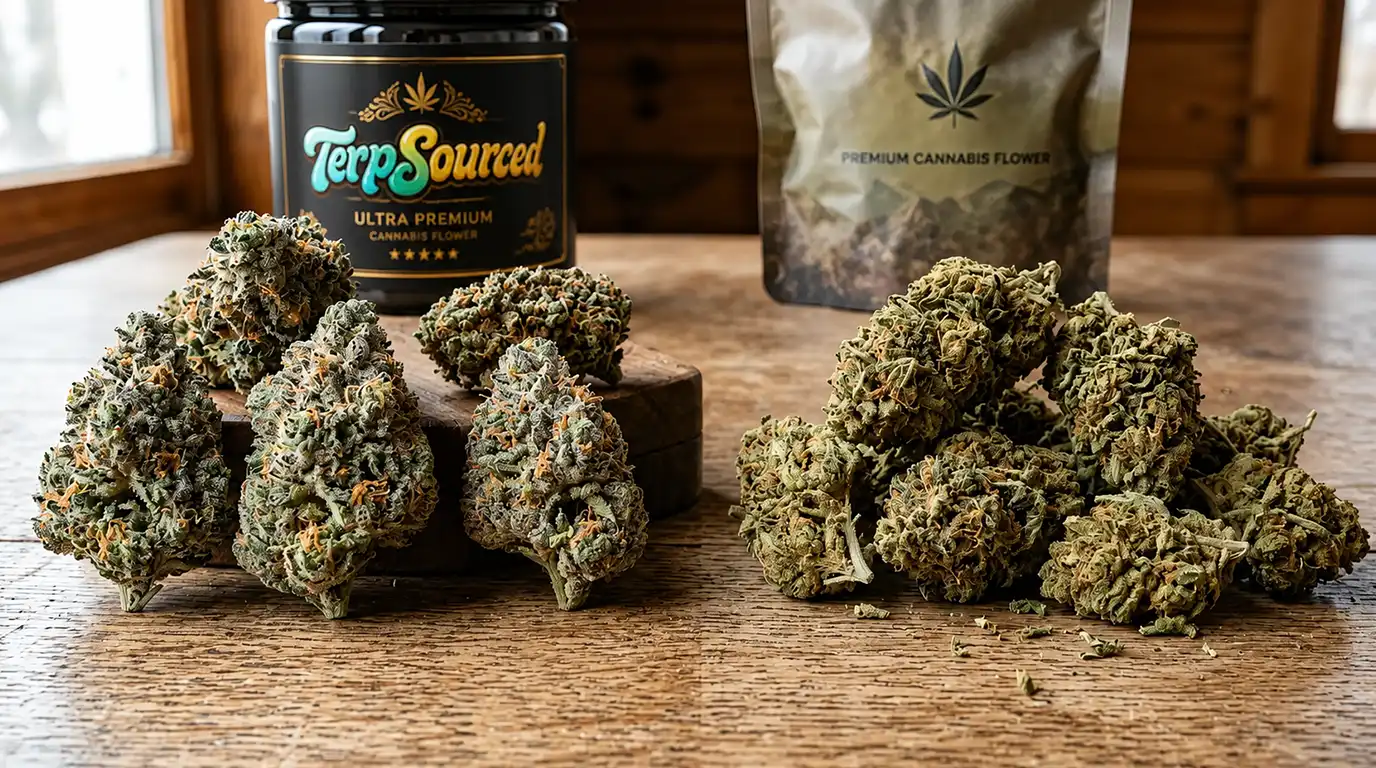
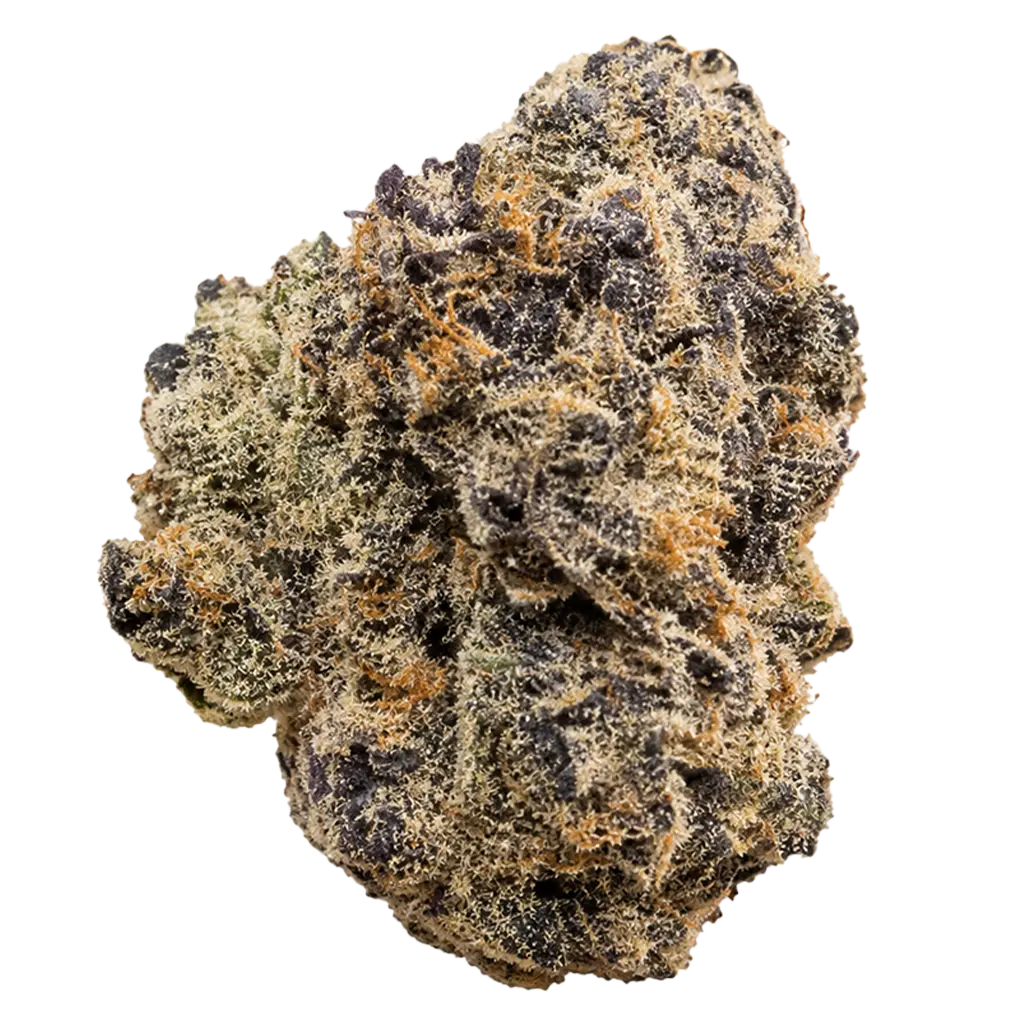
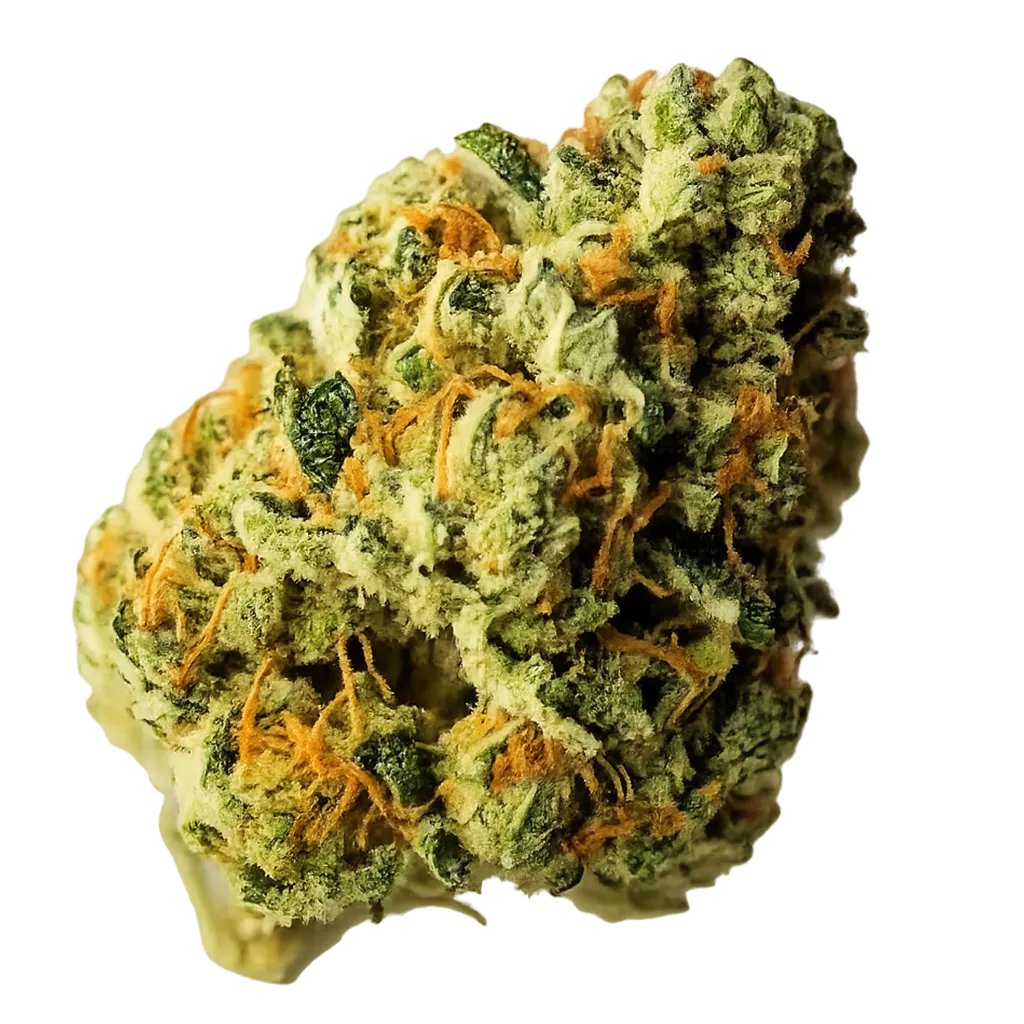
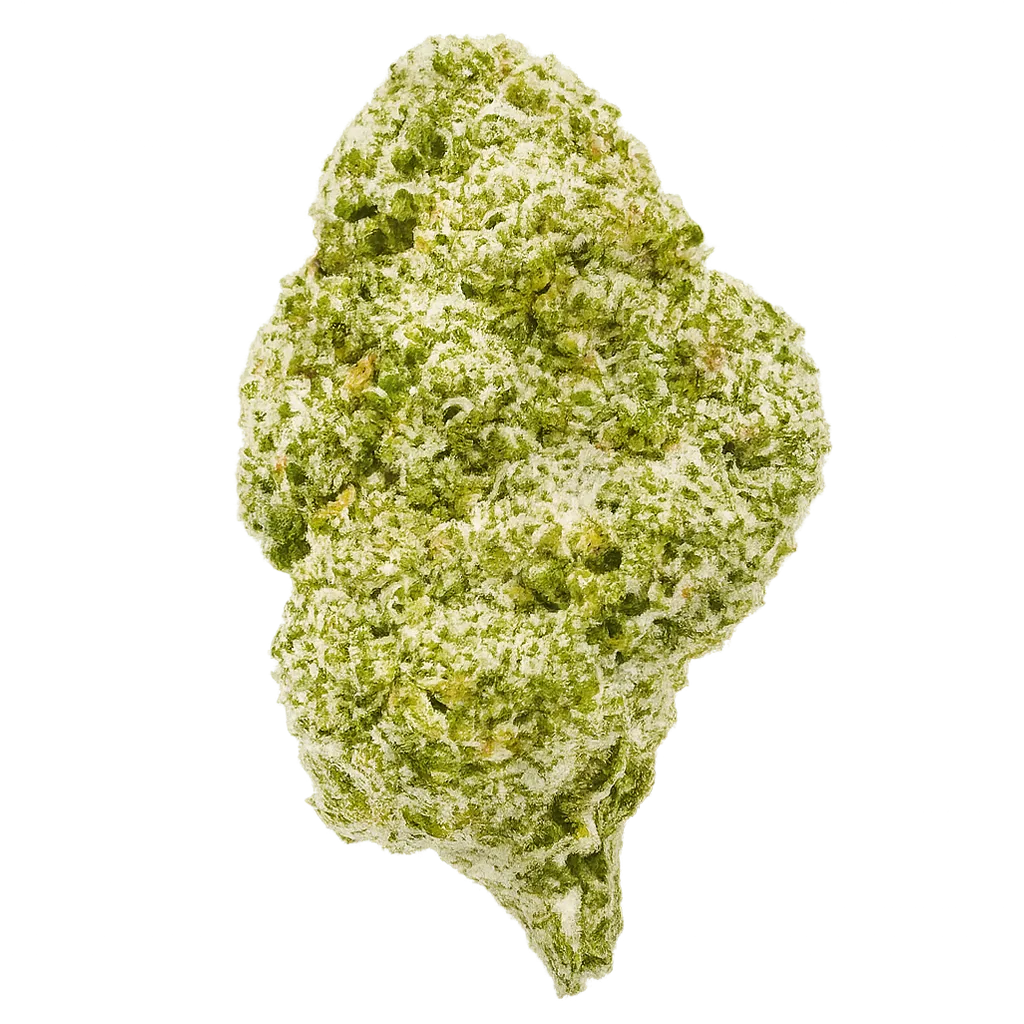
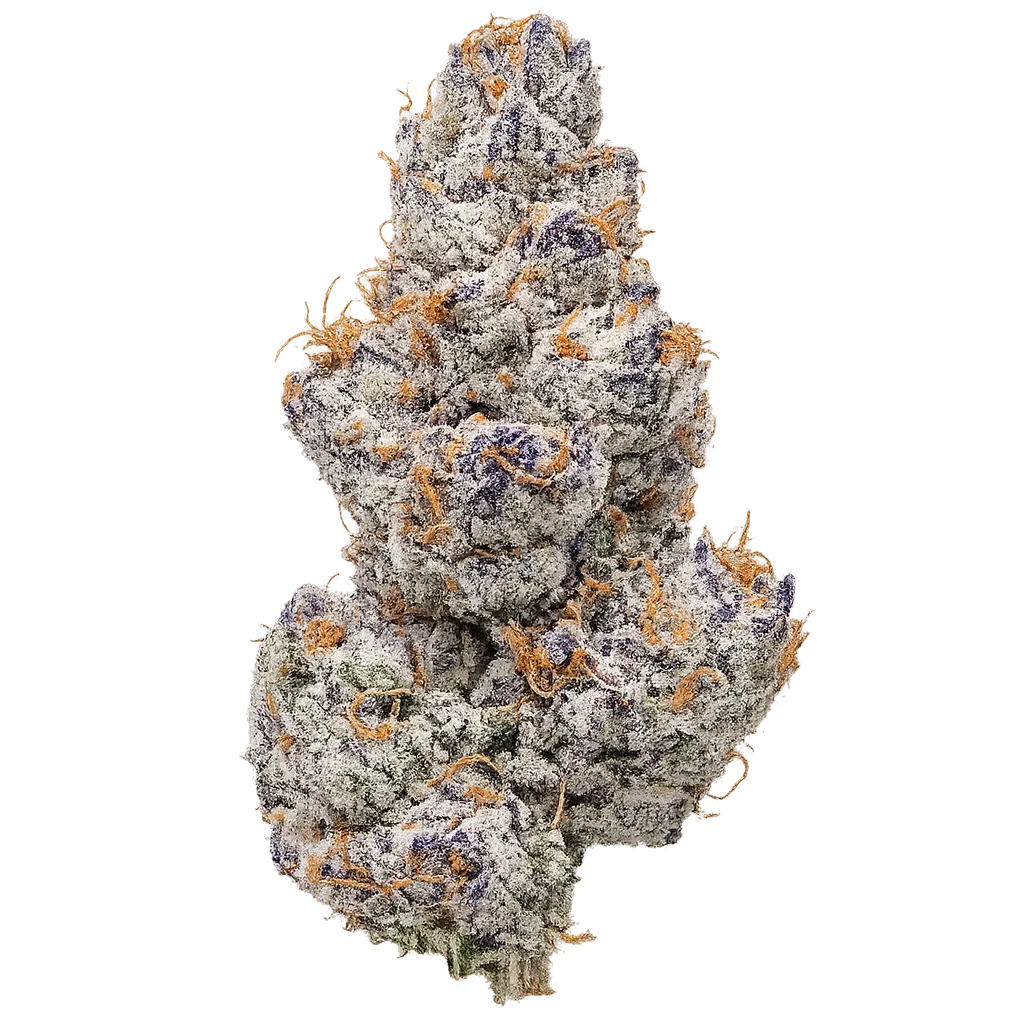
Appearance also plays a major role. Dense buds with intact trichomes, minimal sugar leaves, uniform trimming, and vibrant coloration generally receive higher commercial grades than flowers showing excessive stems, loose structure, or inconsistent curing. None of these factors alone determines quality, but together they influence whether a flower reaches premium dispensary shelves or enters lower-priced inventory categories.
For wholesale buyers, grading is less about a single laboratory result and more about overall consistency across an entire production batch. For most distributors, consistent quality across multiple harvests is usually more valuable than one batch with unusually high cannabinoid numbers.
Budget flower isn’t necessarily poor-quality cannabis. In many cases, it comes from the same cultivation facility as premium inventory but falls into a lower grade because of cosmetic differences, smaller buds, lighter trichome coverage, or less consistent trimming. While cannabinoid percentages may remain competitive, overall presentation and post-harvest uniformity usually separate exotic THCA flower from value-priced flower.
Experienced buyers rarely approve inventory based on a single characteristic. Instead, they compare appearance, cannabinoid testing, terpene preservation, and post-harvest consistency before making purchasing decisions.
| Quality Factor | Dispensary Grade THCA Flower | Budget Flower |
| Typical THCA Range | 26-32% | 18-24% |
| Moisture Content | 10-12% | 8-13% |
| Trim Quality | Precision hand or fine machine trim | Standard machine trim |
| Terpene Retention | High and consistent | Moderate to variable |
| Flower Density | Dense, uniform buds | Mixed structure |
| Retail Position | Premium shelves | Value inventory |
| Water Activity (aw) | 0.55-0.65 | More variable |
Higher-grade flowers usually cost more because additional labor goes into cultivation, trimming, curing, sorting, and quality inspection. Those extra production steps improve consistency and help premium cannabis flower meet the expectations of dispensaries looking for visually appealing, terpene-rich inventory.
Wholesale buyers rarely approve a flower based on one laboratory report. Instead, they evaluate how multiple quality indicators work together before deciding whether inventory belongs in premium retail categories or lower-priced commercial programs.
Trichome coverage is often one of the quickest visual indicators buyers evaluate because intact resin glands generally reflect careful cultivation, harvest timing, and post-harvest handling. Premium flower usually displays an even layer of intact glandular trichomes across the entire bud rather than scattered resin patches.
A strong aroma alone doesn’t guarantee quality, and understanding terpenes and strain genetics helps explain why some cultivars retain aroma more consistently. Well-grown premium cultivars commonly test around 2-4% total terpene content, although results vary by genetics, cultivation practices, and curing conditions. Stable terpene profiles also contribute to product consistency across multiple harvests.
Flowers that are too dry become brittle, while excess moisture increases storage risks and can shorten shelf life. Commercial operators generally aim for post-cure moisture levels around 10-12%, creating balanced storage conditions without compromising flower integrity.
Visual consistency remains one of the biggest factors influencing premium flower grades. During visual inspections, buyers commonly evaluate:
Even when cannabinoid percentages are similar, better visual presentation often gives top shelf THCA flower a competitive advantage in premium dispensary categories.
The price difference between premium and budget flowers isn’t driven by potency alone. Producing dispensary-grade flower requires greater attention throughout cultivation, harvesting, curing, trimming, and quality control. Every stage adds labor, time, and operational costs, but it also improves the consistency buyers expect from premium cannabis products, including THCA disposables manufactured from carefully selected flower.
Indoor cultivators often invest heavily in environmental controls, including HVAC systems, LED lighting, dehumidification equipment, and automated monitoring systems. After harvest, premium batches are typically hand-inspected, sorted by size, and cured under controlled conditions before packaging. These additional processes help preserve aroma, trichome integrity, and moisture consistency.
Some premium flower also undergoes additional hand-sorting before packaging, allowing processors to separate larger, denser buds from smaller commercial grades. Although labor-intensive, this process improves consistency across premium retail batches.
Commercial buyers also expect premium flowers to deliver the same experience from one shipment to the next. Maintaining that level of consistency requires strict cultivation protocols and extensive quality assurance. Budget flower, while still suitable for many retail and manufacturing applications, usually involves fewer grading standards and less labor-intensive post-harvest processing. Those operational differences are reflected in wholesale pricing long before the product reaches dispensary shelves.
Selecting wholesale cannabis flower and related THCA concentrates involves much more than reviewing a certificate of analysis. Experienced buyers inspect physical characteristics, post-harvest quality, and overall consistency before approving inventory for retail or manufacturing.
Dense, well-formed buds with healthy trichome coverage usually receive higher grades because they create a more consistent retail presentation and indicate careful cultivation. Buyers also look for uniform trimming, limited stem exposure, and consistent bud size throughout each batch.
Fresh aroma is often one of the first indicators of proper curing. Premium flower commonly maintains terpene concentrations between 2% and 4%, although results vary by cultivar and cultivation method.
Laboratory testing remains important, but experienced buyers rarely evaluate potency alone.
| Cannabinoid Profile | Typical Premium Range |
| THCA | 26-32% |
| Total Cannabinoids | 28-35% |
| CBGA | 0.5-2% |
| Total Terpenes | 2-4% |
Batch Consistency
Most purchasing teams compare multiple harvests before committing to larger contracts, looking for consistency in density, aroma, moisture, trim quality, and laboratory results.
While grading standards matter, certain cultivars have also earned a strong reputation for consistently producing premium flowers when grown under optimal conditions.
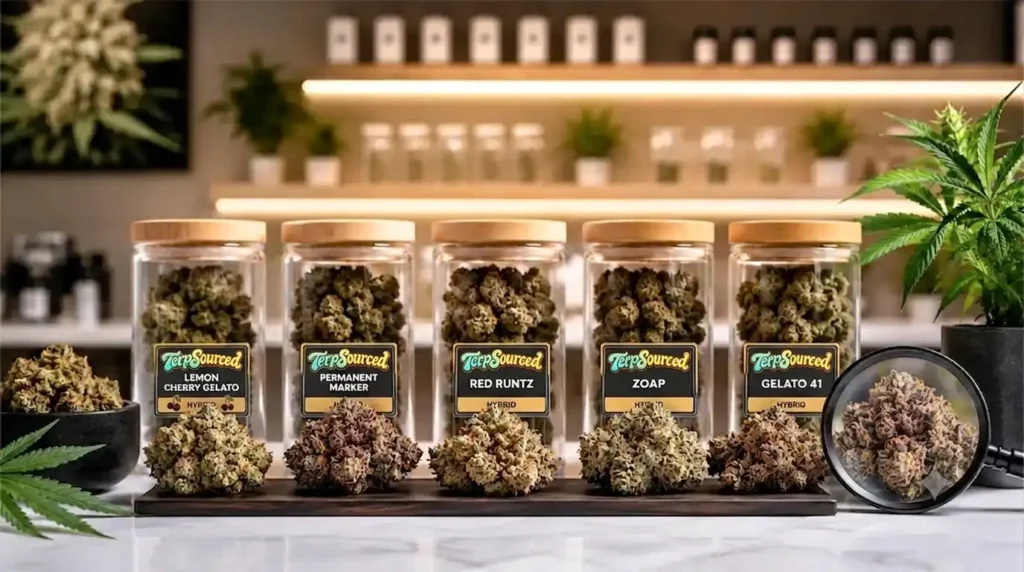
Well-grown batches often produce bright citrus aromas followed by sweet dessert notes once the flower is broken apart. Dense buds, colorful bag appeal, and consistent terpene expression have made it one of the most recognizable cultivars on premium dispensary shelves.
Strain Type: Hybrid
Typical THCA Range: 28-32%
Dominant Terpenes: Limonene, Caryophyllene, Linalool
Flavor & Aroma: Citrus, sweet candy, creamy dessert
Red Runtz continues attracting attention because of its colorful appearance, dense flower structure, and candy-forward aroma. Commercial growers frequently select this cultivar for premium retail inventory thanks to its consistent visual presentation.
Strain Type: Hybrid
Typical THCA Range: 25-30%
Dominant Terpenes: Caryophyllene, Limonene, Myrcene
Flavor & Aroma: Sweet candy, fruit, light gas
Permanent Marker has become increasingly popular among premium cannabis categories because of its distinctive aroma profile and dense trichome coverage. When cultivated under controlled conditions, it consistently produces flowers with strong shelf appeal.
Strain Type: Hybrid
Typical THCA Range: 27-31%
Dominant Terpenes: Caryophyllene, Limonene, Linalool
Flavor & Aroma: Gas, floral, sweet earth
There isn’t a single answer because different businesses have different inventory goals. Premium flowers often make the most sense for retailers focused on boutique shelf categories, while budget flowers can provide excellent value for businesses prioritizing production volume or price-sensitive inventory.
Retail dispensaries often prefer premium inventory because it offers:
Budget flower may be a practical option for:
The right purchasing decision depends on the intended market rather than potency alone. Many successful cannabis businesses carry both premium hemp flower and budget inventory to meet different customer preferences while maintaining a balanced product lineup.
Choosing between dispensary-grade THCA flower and budget flower ultimately comes down to more than cannabinoid percentages. Factors such as cultivation practices, terpene preservation, curing consistency, trim quality, and overall presentation all contribute to how the flower is graded before reaching retail shelves. Premium flowers generally command higher prices because producing consistent, high-quality inventory requires additional labor, tighter quality control, and careful post-harvest handling.
Budget Flower continues serving an important role across wholesale cannabis flower markets, particularly for extraction, prerolls, and value-focused retail categories. Whether sourcing premium inventory or commercial-grade flower, working with experienced suppliers like TerpSourced can help businesses find products that match their pricing strategy, quality standards, and long-term inventory goals.
Dispensary grade THCA flower refers to cannabis that meets higher commercial quality standards for appearance, trichome coverage, curing, moisture consistency, aroma, and overall presentation. Grading considers multiple factors rather than relying only on laboratory potency results.
Not necessarily. High THCA percentages can be impressive, but experienced buyers also evaluate terpene preservation, trim quality, flower density, moisture content, and post-harvest consistency before determining overall quality.
Premium flowers require more labor throughout cultivation, harvesting, curing, trimming, sorting, and quality inspection. These additional production steps increase operating costs while improving consistency and retail presentation.
Budget flowers aren’t automatically poor quality. It often comes from the same harvest as premium flower but receives a lower commercial grade because of cosmetic differences, smaller buds, or less uniform trimming.
Many commercial operators target post-cure moisture levels between 10% and 12%. This range helps maintain flower structure, preserve terpene quality, and improve storage stability when products are packaged correctly.
Premium flower often tests between 2% and 4% total terpene content, although results vary depending on cultivar, cultivation methods, harvest timing, and post-harvest handling.
Wholesale buyers commonly evaluate flower density, trim quality, cannabinoid profile, terpene retention, moisture consistency, aroma, visual presentation, and batch-to-batch uniformity before placing larger inventory orders.
Budget flower is commonly purchased for preroll production, extraction, bulk inventory, and value-priced retail categories where appearance is less important than production efficiency and overall cost.
Yes. Commercial cultivators often grade flowers after harvest. Larger, denser buds may be sold as premium inventory, while smaller buds or cosmetically imperfect flowers are classified as budget products despite coming from the same cultivation batch.