Few cannabis cultivars have maintained premium shelf demand as consistently as the birthday cake strain. Known for its dessert-inspired aroma, dense flower structure, and strong trichome coverage, Birthday Cake continues to appear across Premium THCA Flower menus and exotic cannabis offerings.
Even as new genetics enter dispensary menus every season, Birthday Cake remains widely stocked because of its recognizable terpene profile, competitive cannabinoid percentages, and established market demand. From retail dispensaries to wholesale flower buyers, this cultivar has maintained demand across flower, prerolls, and other cannabis product categories.
The birthday cake strain, sometimes referred to as Birthday Cake OG or Birthday Cake Kush, is a hybrid cannabis cultivar widely recognized for its dessert-forward aroma profile and dense flower structure, similar to cultivars discussed in hybrid vs indica. Most breeders trace their lineage back to Cherry Pie and Girl Scout Cookies genetics, although slight variations can exist depending on the breeder and cultivation program.
Some batches also develop a frosting-like aroma that becomes more noticeable during breakdown and grinding. Many cultivators describe the profile as a combination of baked dough, sweet cream, earthy spice, and subtle citrus undertones. Its combination of aroma, appearance, and recognizable genetics has helped it maintain a consistent presence on dispensary menus and wholesale inventory lists.
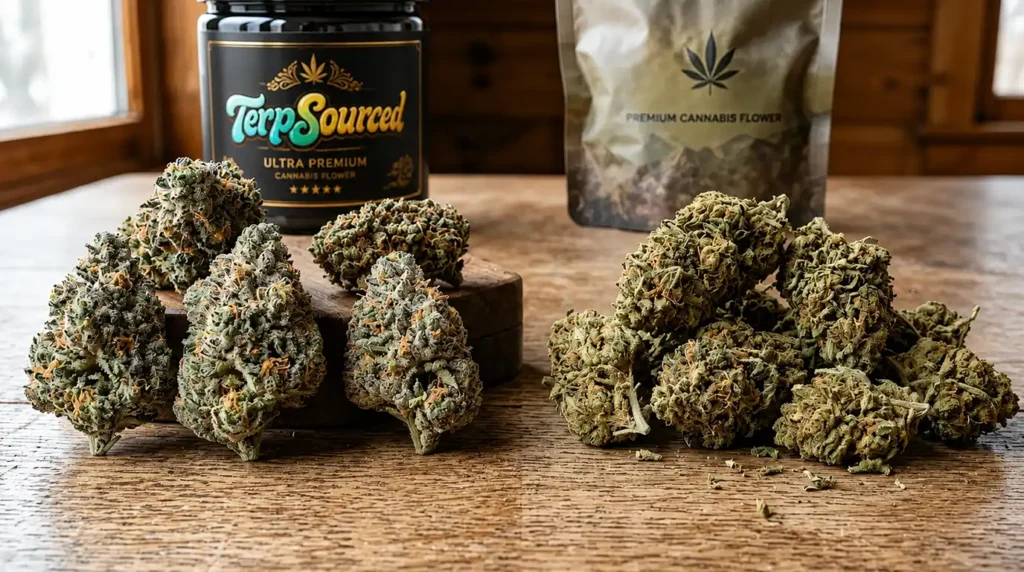
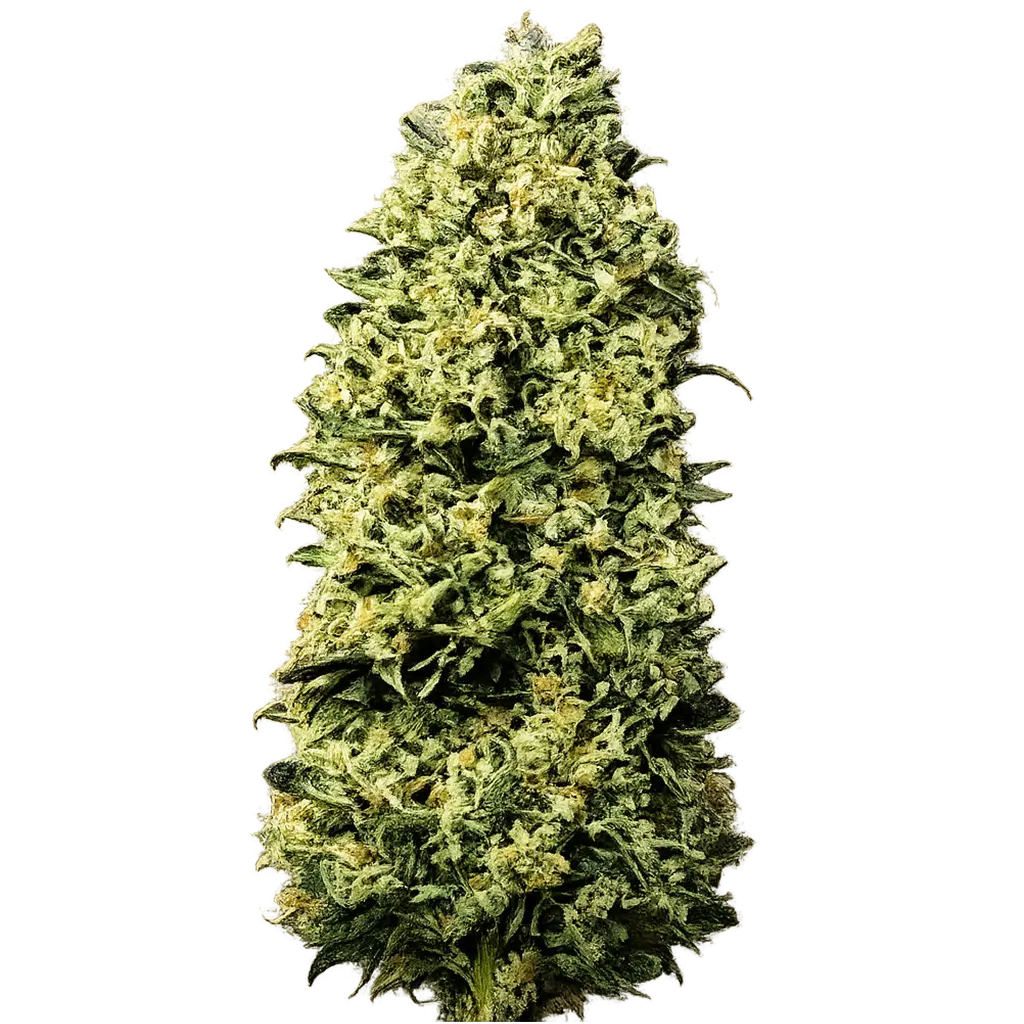
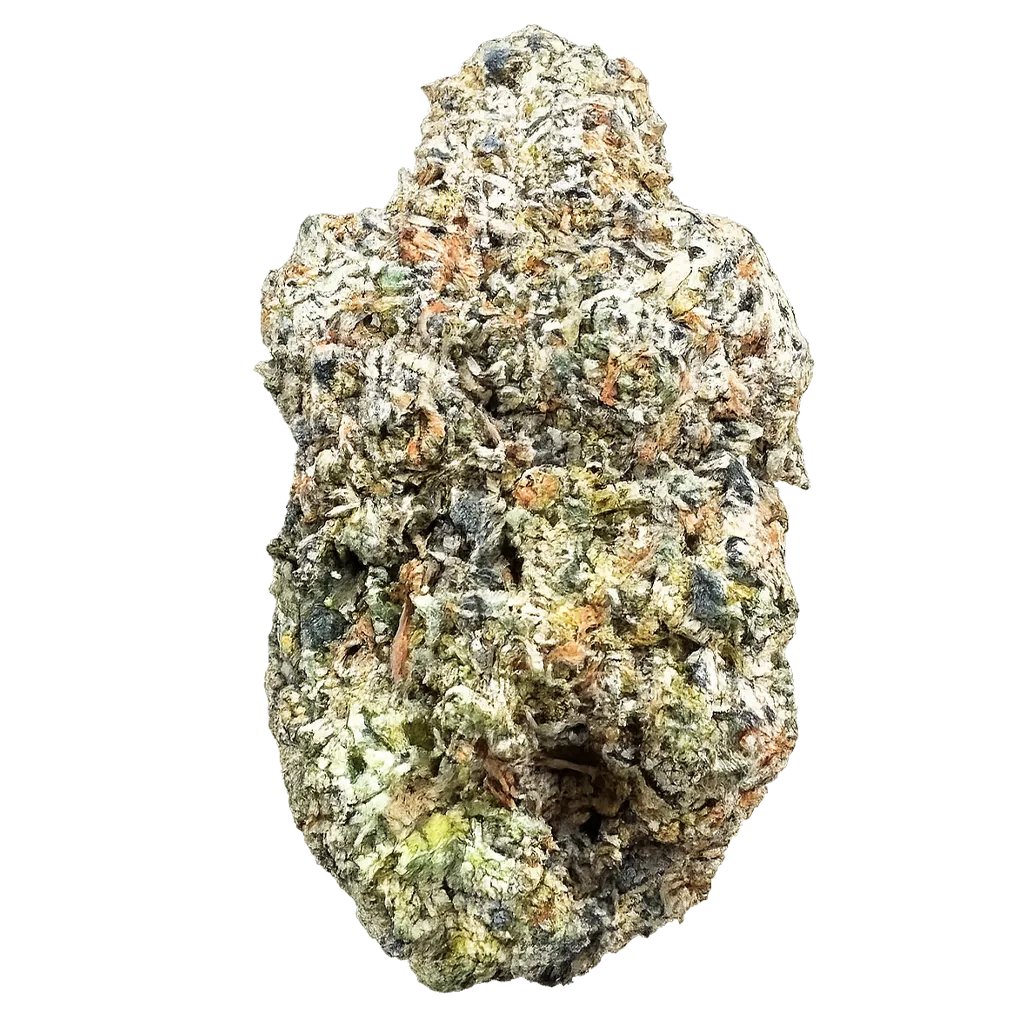
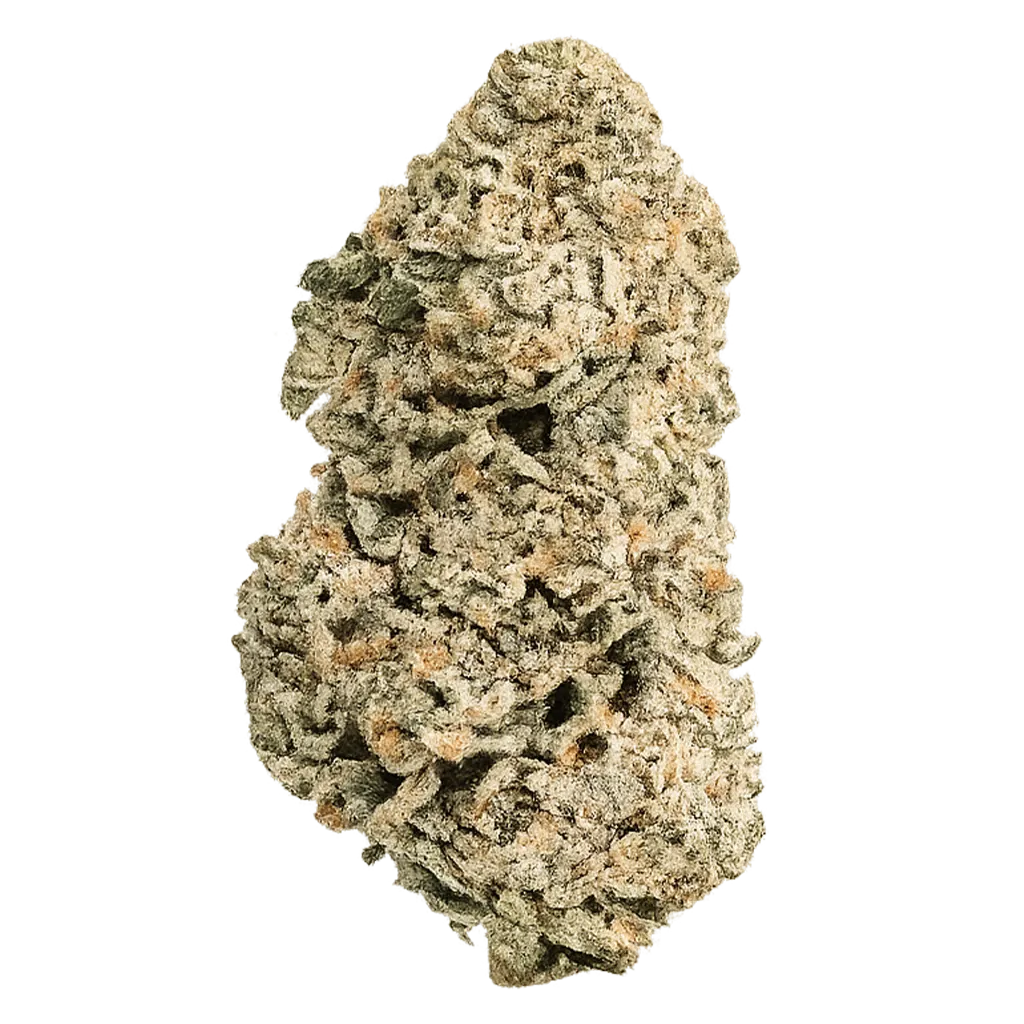
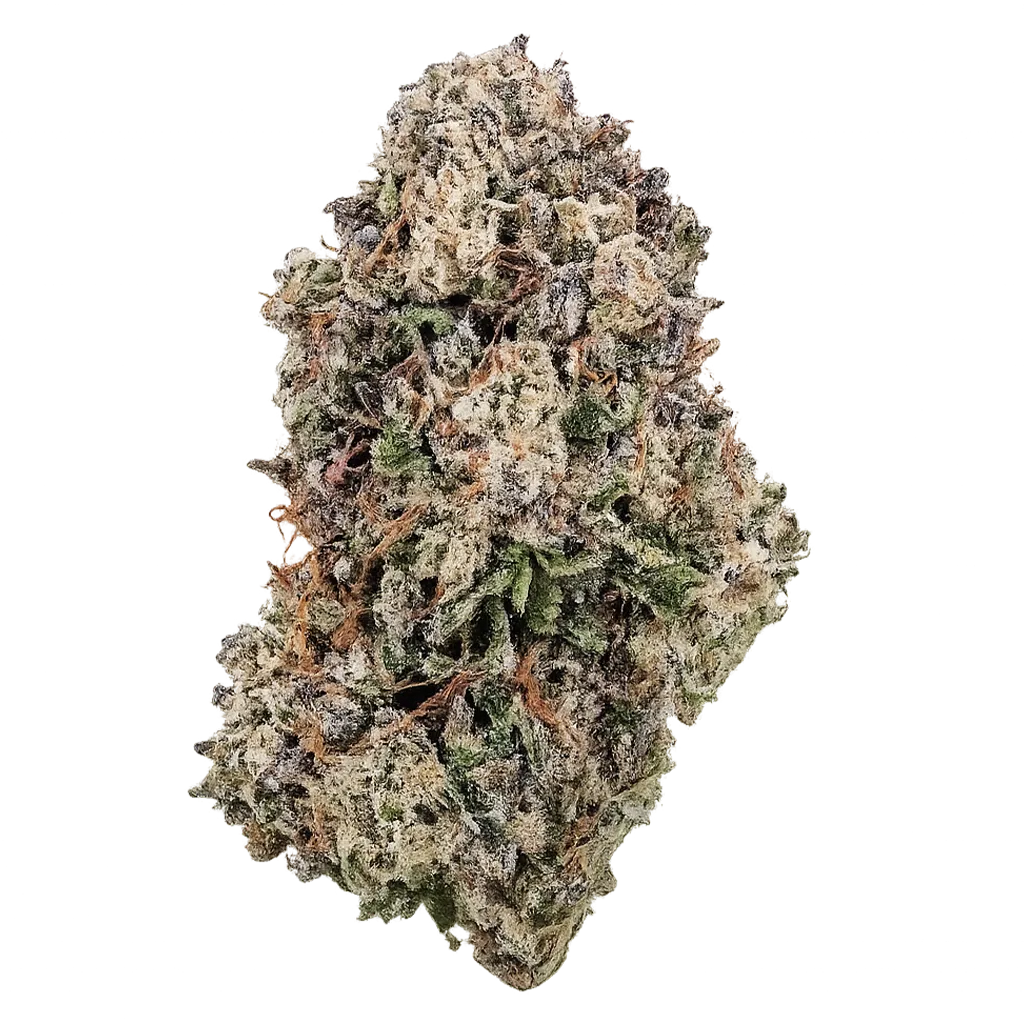
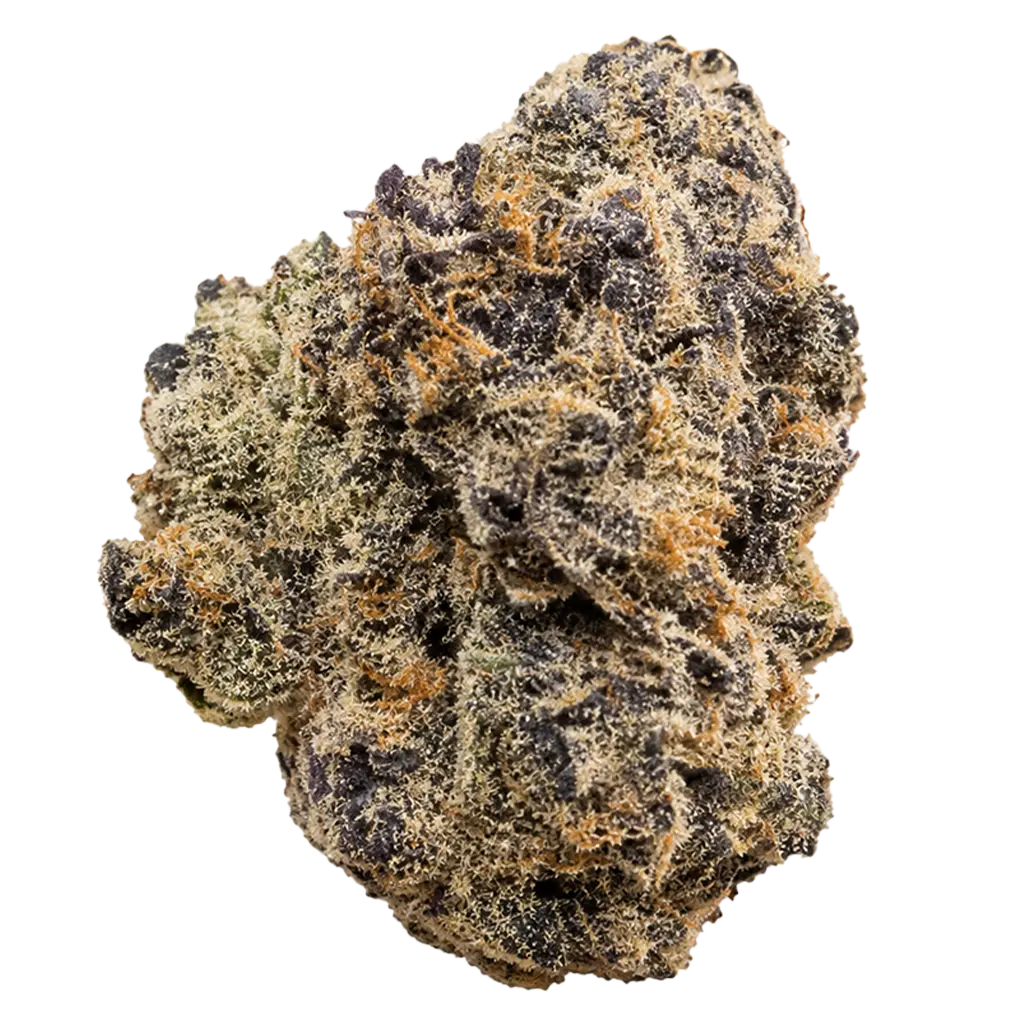
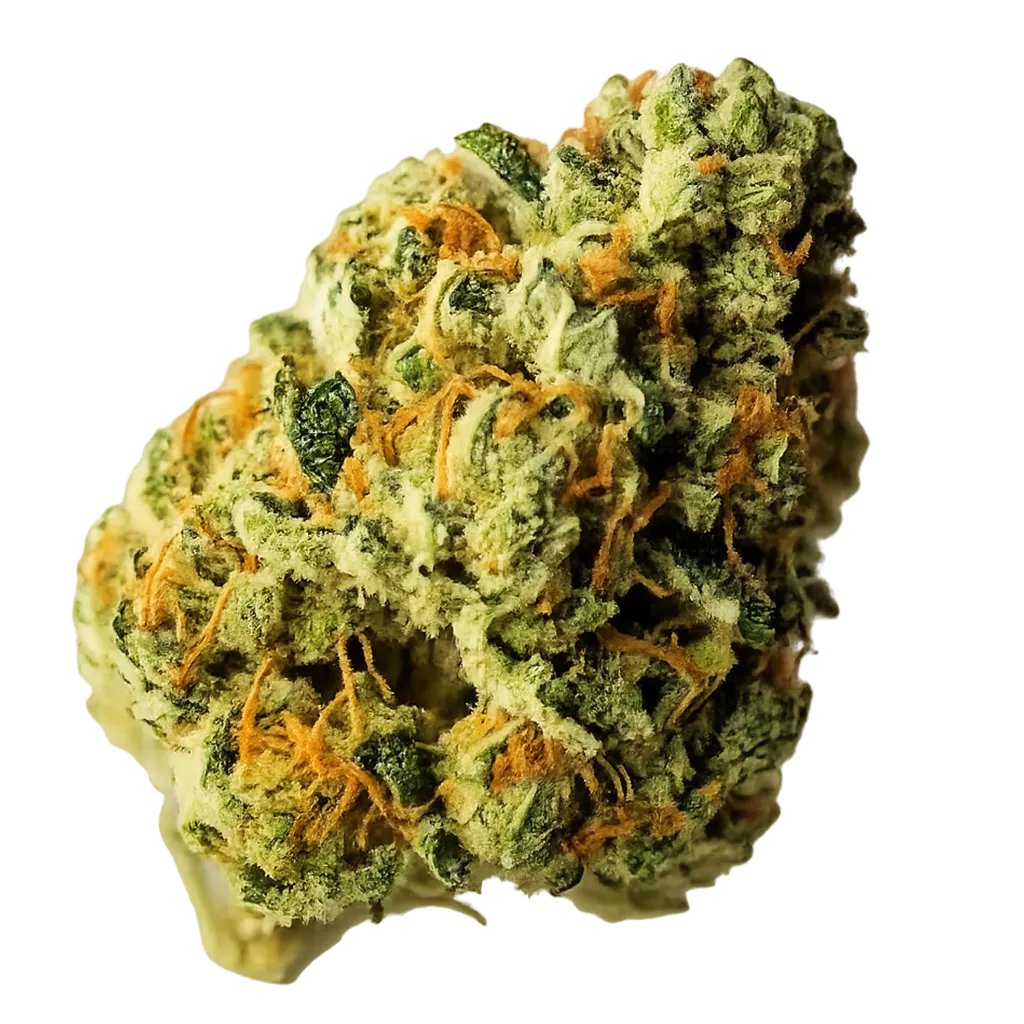
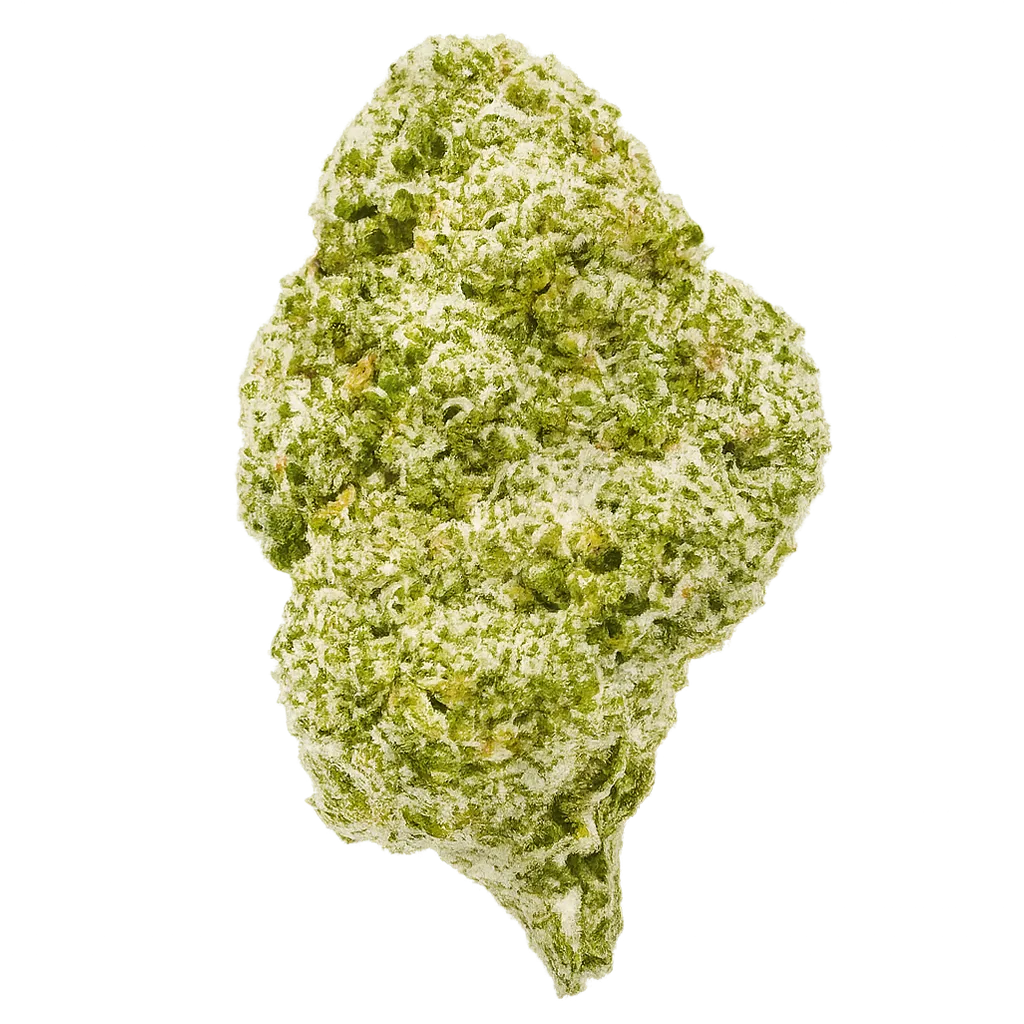
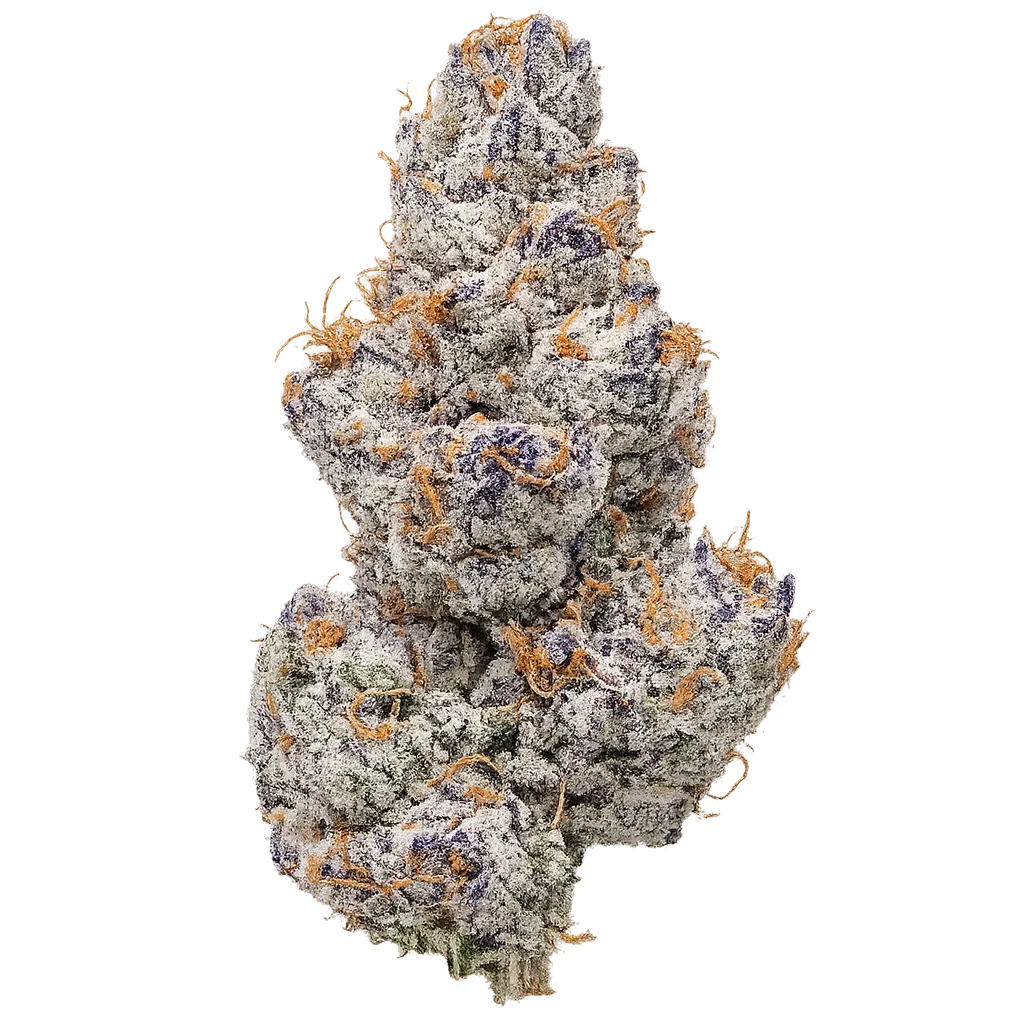
Many cultivators value well-selected Birthday Cake phenotypes for their resin production, dense flower structure, and strong trichome coverage. Dense buds and heavy trichome coverage are often the first characteristics buyers notice when evaluating well-grown Birthday Cake flowers.
One reason the birthday cake cannabis strain remains commercially relevant is its ability to produce competitive cannabinoid percentages while maintaining a recognizable terpene profile. Although results vary by cultivation environment, phenotype selection, and post-harvest handling, most high-quality batches fall within relatively consistent testing ranges.
| Category | Typical Range |
| Strain Type | Hybrid |
| THCA Range | 22-30% |
| Total Cannabinoids | 24-33% |
| Flowering Time | 8-10 Weeks |
| Dominant Terpenes | Caryophyllene, Limonene, Myrcene |
| Indoor Yield | 400-500 g/m² |
| Outdoor Yield | 450–650 g/plant |
Most premium indoor batches are selected from phenotypes capable of maintaining both cannabinoid consistency and visual uniformity throughout larger harvest cycles.
These cannabinoid ranges help position Birthday Cake within premium indoor flower categories where buyers often evaluate potency alongside terpene quality and visual presentation, much like other Hybrid Strains. Many growers prioritize phenotypes capable of delivering stable cannabinoid percentages alongside consistent flower structure throughout larger harvests.
One reason the birthday cake weed strain remains widely stocked across premium flower menus is its recognizable flavor profile. Unlike cultivars dominated by fuel-heavy or citrus-forward aromas, Birthday Cake typically leans toward sweet dessert-inspired characteristics that remain noticeable throughout both aroma and flavor evaluation.
Often, the dominant terpene in Birthday Cake flower, Caryophyllene, contributes peppery spice notes that help balance the sweeter dessert characteristics found within the cultivar.
Limonene introduces subtle citrus brightness that prevents the profile from becoming overly sweet. Many batches display light citrus accents alongside vanilla and cream notes.
Myrcene commonly contributes earthy and herbal undertones that add depth to the overall aroma profile and help create a more layered terpene expression.
Well-cured flowers often combine vanilla frosting notes, baked dough characteristics, earthy spice, and sweet cream aromas, which is one reason many buyers also explore THCA Concentrates featuring dessert-forward terpene profiles. The profile is recognizable enough that many buyers can identify it almost immediately after opening a jar.
With new cultivars entering the market every year, very few maintain long-term shelf presence the way Birthday Cake has, similar to premium cultivars covered in lemon cherry gelato strain. Its success is not tied to a single characteristic but rather a combination of factors that consistently appeal to buyers.
Buyers typically evaluate:
This combination of visual appeal and terpene consistency often makes Birthday Cake easier for dispensaries to position within premium flower categories.
Well-grown Birthday Cake flowers frequently display heavy resin production and dense bud formation, creating the kind of shelf presentation that stands out during inventory reviews. These characteristics help support premium shelf placement and contribute to its continued popularity within exotic flower categories.
As retail competition increases, cultivars capable of maintaining both visual appeal and terpene quality often perform better across multiple cannabis product categories.
The birthday cake marijuana strain is generally considered a high-potency cultivar when produced under optimized cultivation conditions. Most premium batches commonly test between 22% and 30% THCA, with some premium indoor batches occasionally testing above this range, depending on phenotype selection and cultivation practices.
However, potency alone does not explain the cultivar’s popularity, especially among buyers who also prioritize high-quality THCA Prerolls and flower presentation. Wholesale buyers increasingly evaluate total flower quality rather than focusing exclusively on cannabinoid percentages. Factors such as terpene retention, moisture consistency, trichome coverage, and post-harvest presentation often influence purchasing decisions alongside potency results.
Cultivation teams producing premium Birthday Cake flower typically focus on maintaining stable environmental conditions during flowering and preserving terpene quality throughout drying and curing. This balanced approach helps support both cannabinoid consistency and overall flower quality.
For cultivators and distributors, Birthday Cake remains attractive because competitive potency is paired with a terpene profile already familiar to many buyers.
Both the sour birthday cake strain and birthday cake kush strain originate from dessert-forward genetic backgrounds, but each cultivar offers slightly different commercial characteristics depending on cultivation goals and market positioning.
| Feature | Sour Birthday Cake Strain | Birthday Cake Kush Strain |
| Aroma Profile | Sweet, sour citrus, cream | Vanilla, dough, earthy spice |
| THCA Range | 24-31% | 22-30% |
| Dominant Notes | Citrus candy, sweet gas | Sweet cream, baked dough |
| Market Position | Exotic flower categories | Premium indoor flower |
| Visual Appeal | Bright coloration | Dense frosted flower |
Because both cultivars already have established market recognition, buyers often choose between them based on terpene preference rather than cannabinoid percentages alone.
The sour birthday cake strain often attracts buyers looking for stronger citrus-forward terpene expression, while the birthday cake kush strain generally appeals to those seeking classic dessert-style aroma profiles.
Both cultivars remain popular within premium flower categories because they combine recognizable flavor profiles with competitive cannabinoid ranges.
Market trends regularly shift toward new genetics, yet Birthday Cake has maintained a strong position across retail and wholesale cannabis channels for years. This longevity comes from its ability to satisfy several commercial priorities at the same time.
Why Buyers Continue Sourcing Birthday Cake
The cultivar also performs well across flower, preroll, and extraction-focused inventory because its terpene profile remains recognizable throughout various production formats. Commercial distributors frequently prioritize cultivars that already possess established market familiarity, reducing uncertainty when introducing new inventory into retail channels.
Few cultivars remain relevant for years in a market that constantly introduces new genetics. Birthday Cake is one of those exceptions.
Birthday Cake has remained relevant through multiple cannabis market cycles because it combines recognizable genetics with premium flower characteristics. For dispensaries, established cultivars often carry less inventory risk than newly released genetics that have not yet developed strong market recognition.
Its combination of aroma, shelf presentation, and dependable demand helps explain why Birthday Cake continues appearing on menus despite growing competition from newer cultivars.
The birthday cake strain remains one of the most commercially recognized cannabis cultivars because it combines strong terpene expression, competitive cannabinoid percentages, and premium flower presentation. Well-grown batches consistently deliver the aroma, appearance, and cannabinoid ranges that both retail buyers and wholesale distributors continue prioritizing across modern cannabis markets.
Cultivars such as the sour birthday cake strain and birthday cake kush strain demonstrate how dessert-inspired genetics continue evolving within premium flower categories. As dispensaries and distributors focus on terpene quality, visual appeal, and cannabinoid consistency, Birthday Cake remains a cultivar capable of maintaining demand across flower, prerolls, and other cannabis product categories.
The birthday cake strain is a hybrid cannabis cultivar commonly associated with Cherry Pie and Girl Scout Cookies genetics. It is widely recognized for its sweet dessert-like aroma, dense flower structure, strong trichome coverage, and competitive cannabinoid percentages that have helped maintain demand among both retail consumers and wholesale buyers.
Well-cured batches often produce notes of vanilla frosting, sweet cream, baked dough, earthy spice, and subtle citrus. Its dessert-forward terpene profile is one of the main reasons it remains popular across premium flower categories.
Most commercial batches of birthday cake weed strain typically test between 22% and 30% THCA, although cannabinoid percentages can vary depending on genetics, cultivation conditions, phenotype selection, and post-harvest handling practices. Premium indoor flowers occasionally test even higher under optimized growing environments.
Birthday Cake is generally classified as a hybrid cultivar. While specific phenotypes may lean slightly toward one side, most commercial versions are marketed as balanced hybrid flowers rather than pure indica or pure sativa genetics.
Caryophyllene, Limonene, and Myrcene are usually the dominant terpenes found in the birthday cake cannabis strain. Together, these terpenes help create its recognizable combination of sweet dessert notes, light citrus accents, earthy undertones, and subtle spice characteristics.
The sour birthday cake strain often produces stronger citrus, sweet gas, and candy-like aromas, while the birthday cake kush strain typically leans more toward vanilla, cream, dough, and earthy spice characteristics.
Many wholesale distributors regularly source Birthday Cake because it combines strong bag appeal, recognizable terpene expression, and dependable retail demand. Its versatility across flower, prerolls, and extraction categories also makes it attractive for inventory planning and retail distribution.
Most cultivation programs report flowering periods between 8 and 10 weeks. Actual timelines may vary depending on environmental conditions, phenotype selection, cultivation methods, and production goals established by individual growers.
Yes. Its strong terpene profile, resin production, and consistent flower quality make Birthday Cake a popular option for prerolls, concentrates, and extraction-focused cannabis inventory.