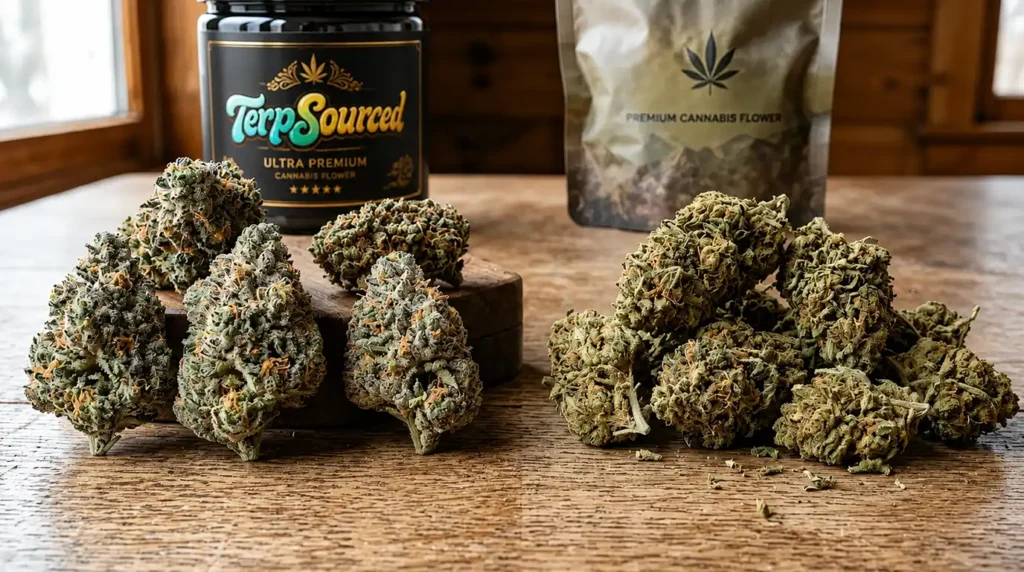
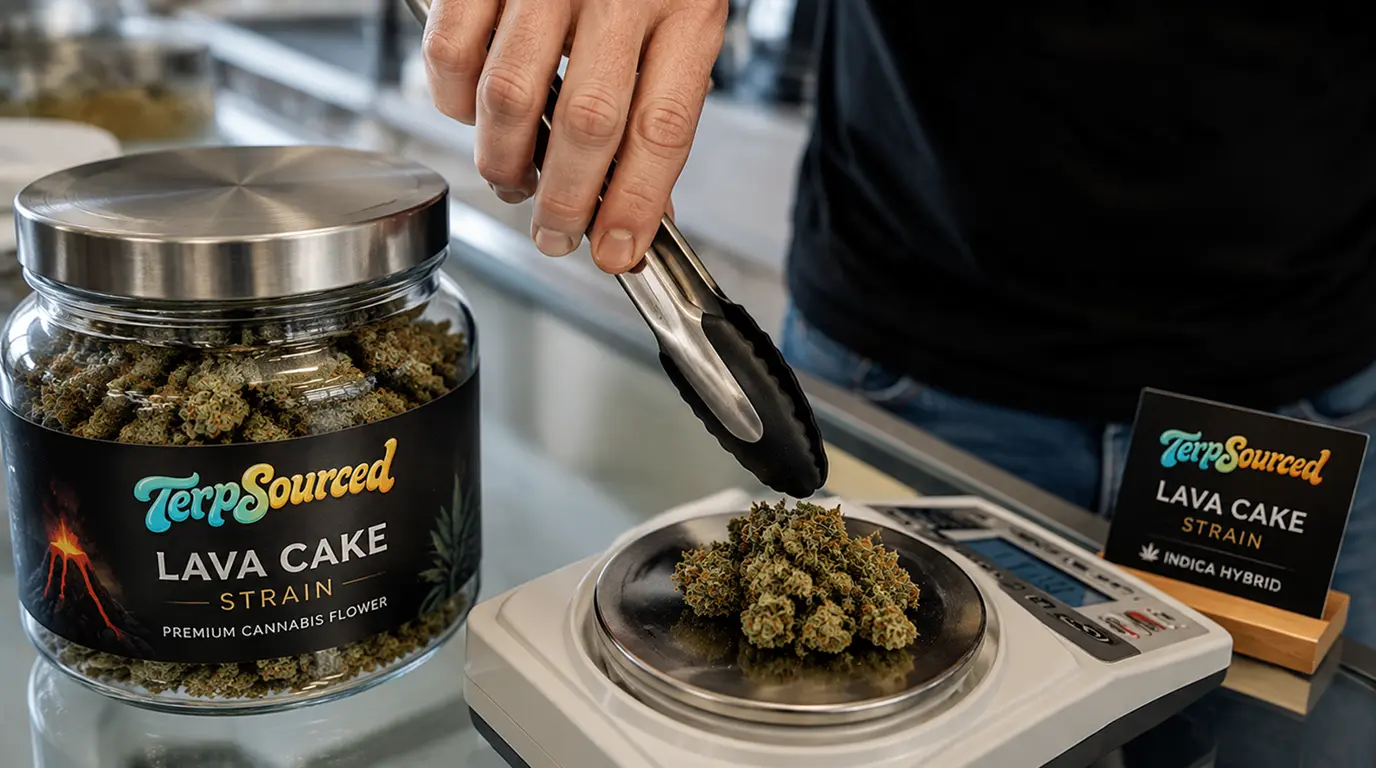
Premium dessert cultivars rarely stay popular for long, yet the lava cake strain continues earning shelf space because it combines strong cannabinoid expression, rich terpene profiles, and reliable cultivation performance. From boutique dispensaries to wholesale flower suppliers, this cultivar continues attracting attention for its balanced genetics and commercial appeal.
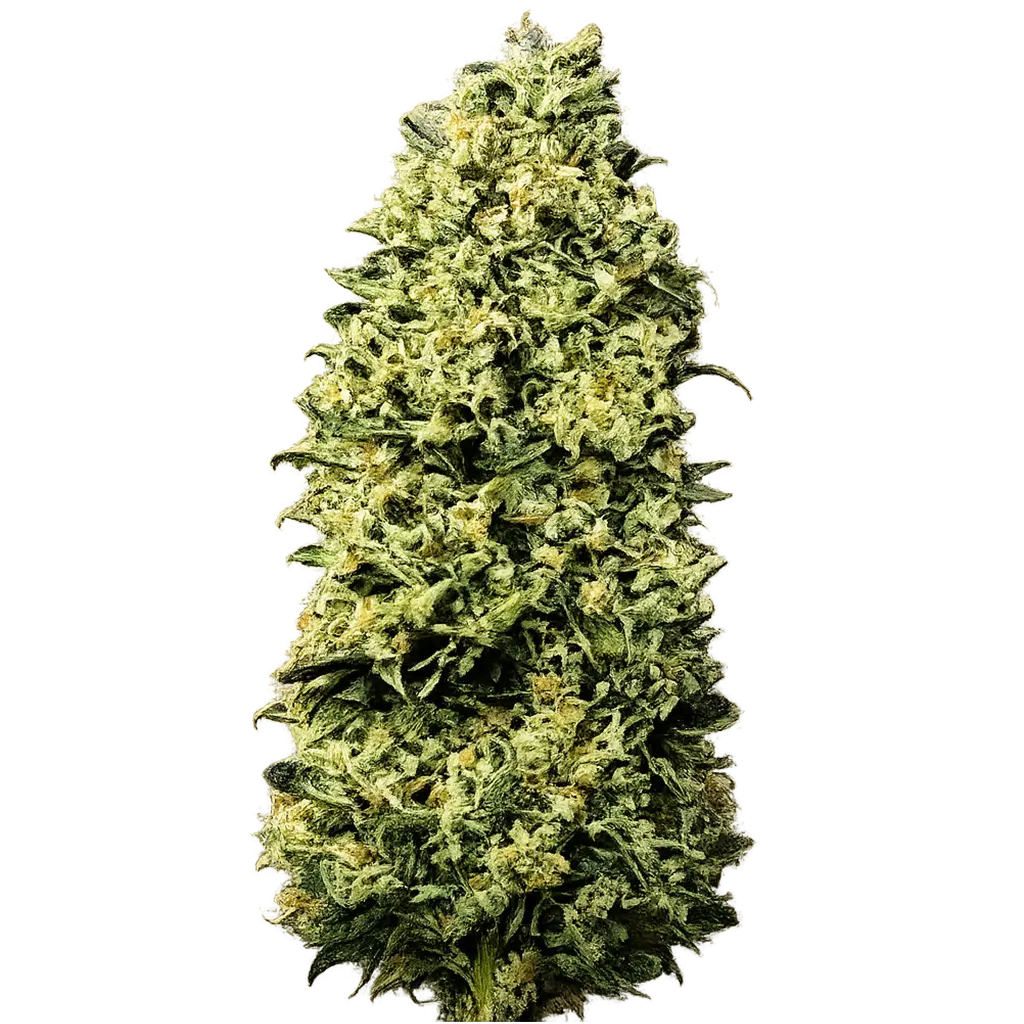
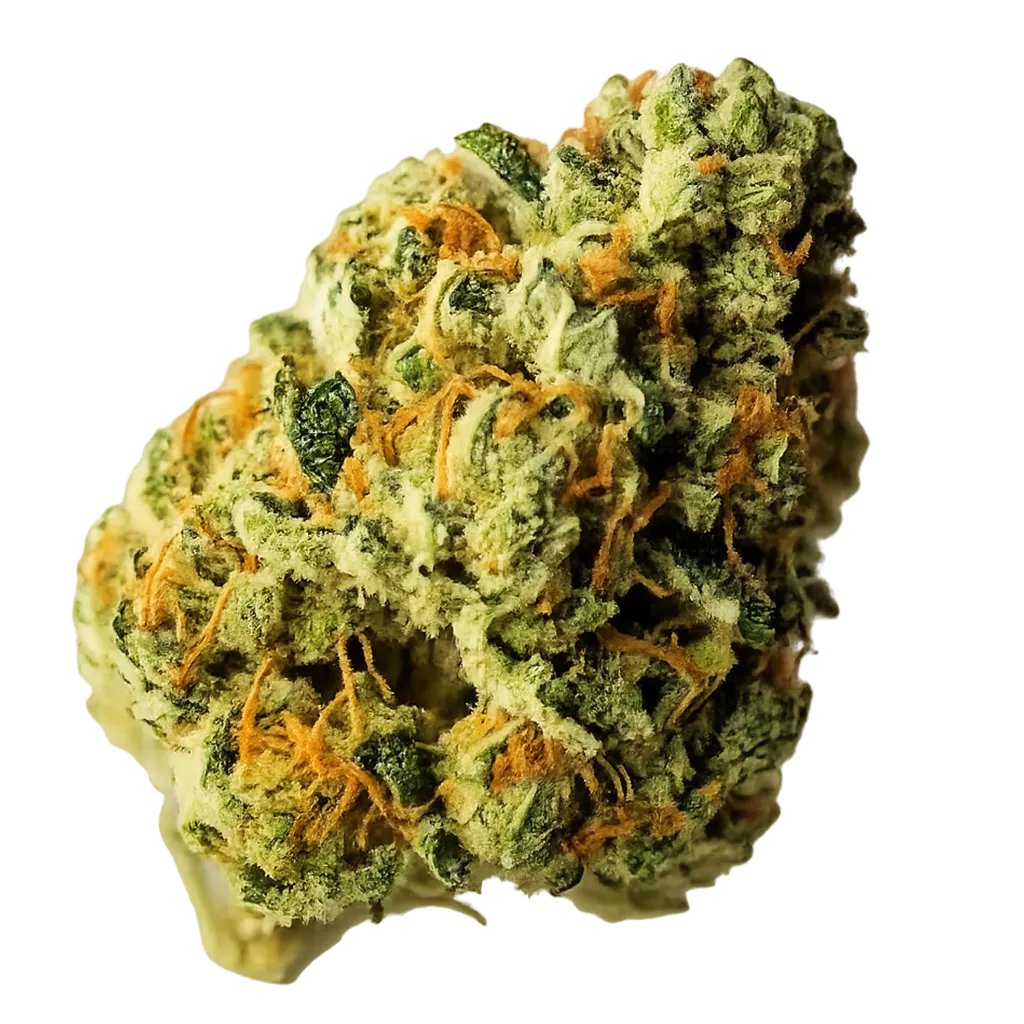
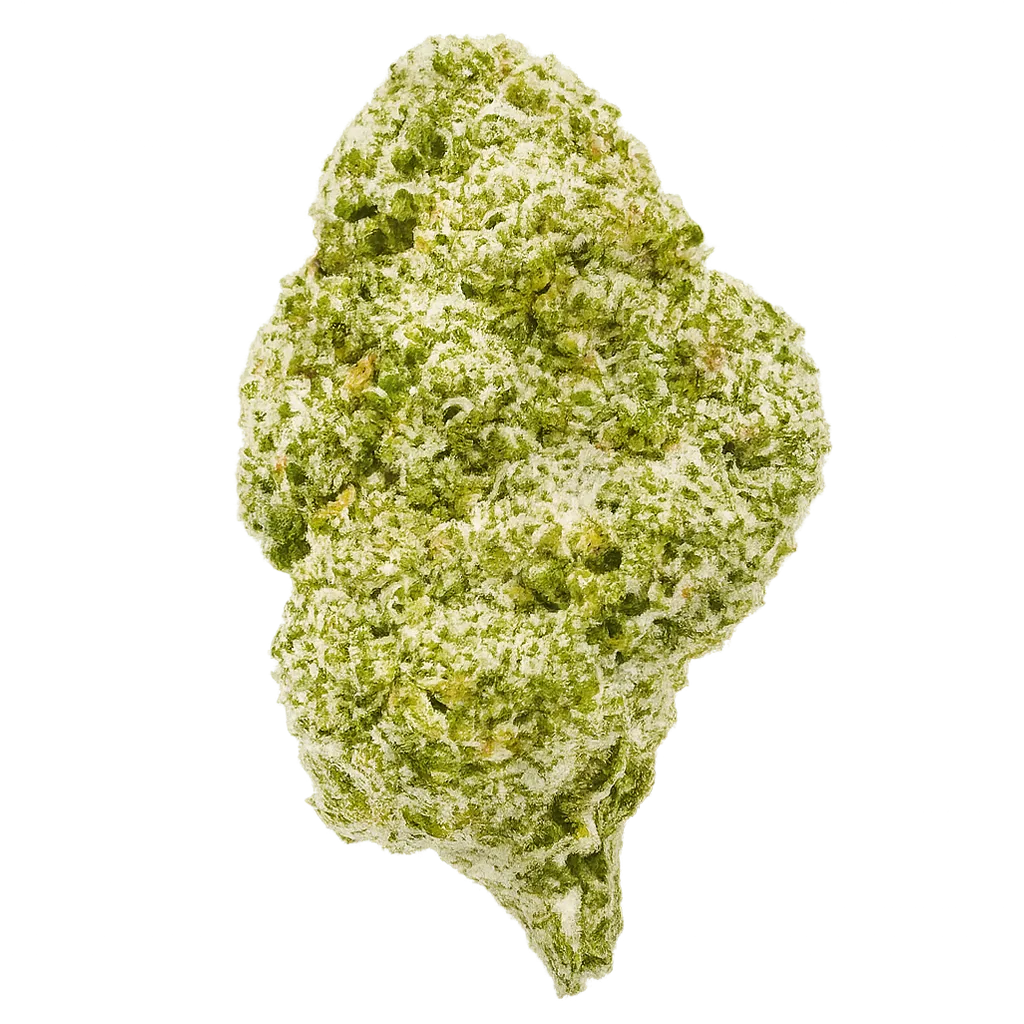
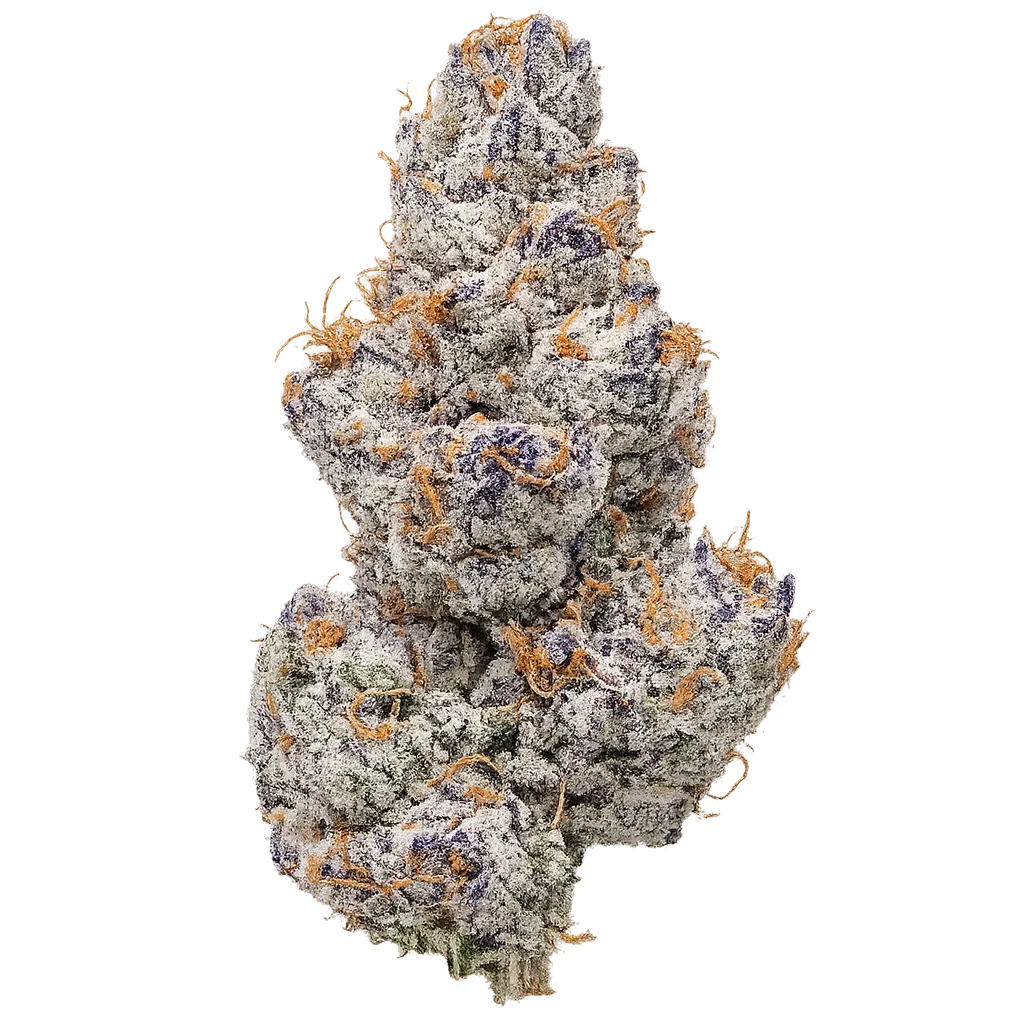
From its genetics and cannabinoid profile to its flavor, cultivation characteristics, and commercial appeal, here’s what continues making the lava cake weed strain one of today’s most recognizable dessert cultivars.
The lava cake strain is an indica-dominant hybrid created by crossing two well-known cultivars, Grape Pie and Thin Mint GSC (Girl Scout Cookies). Since its release, commercial growers and dispensaries have continued selecting Lava Cake because it consistently delivers Premium THCA Flower quality alongside dependable cultivation performance. While different phenotypes may vary slightly, Lava Cake is widely recognized for combining attractive bag appeal with reliable cannabinoid expression.
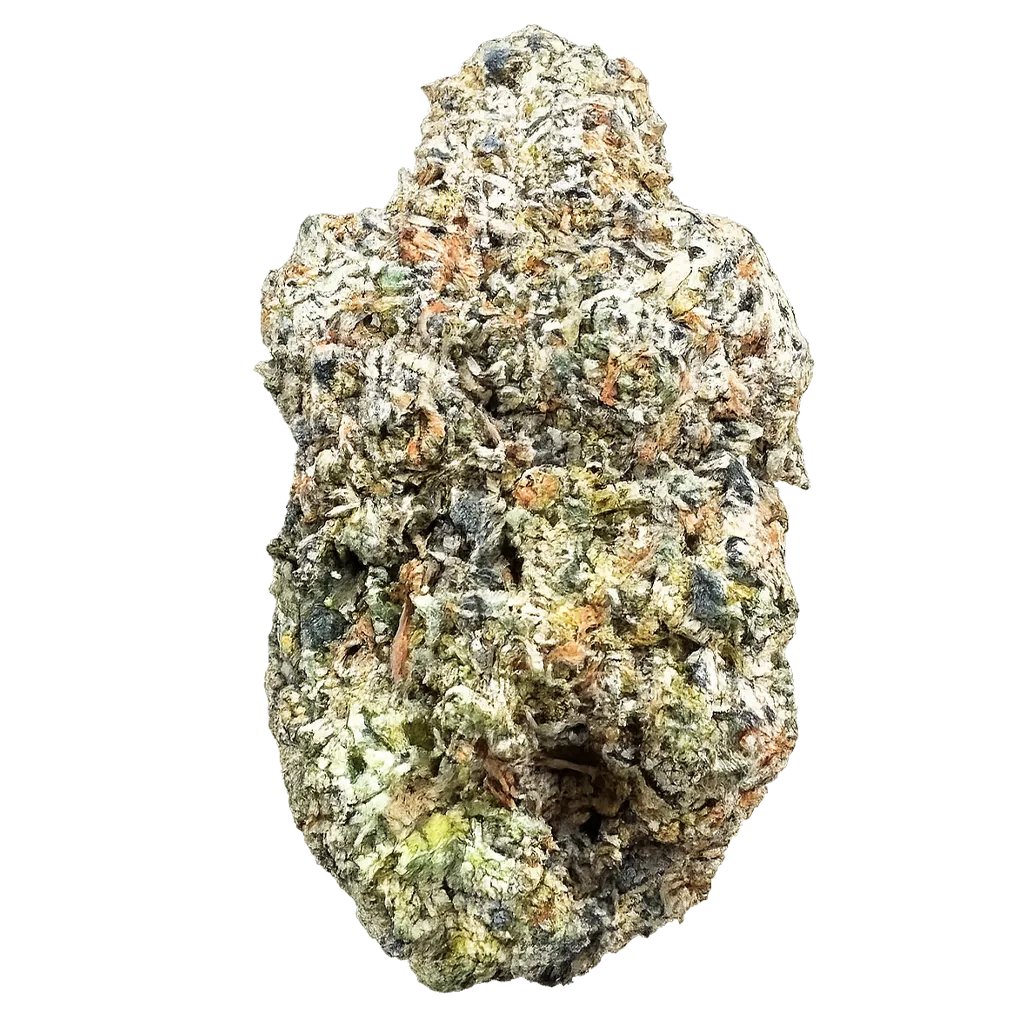
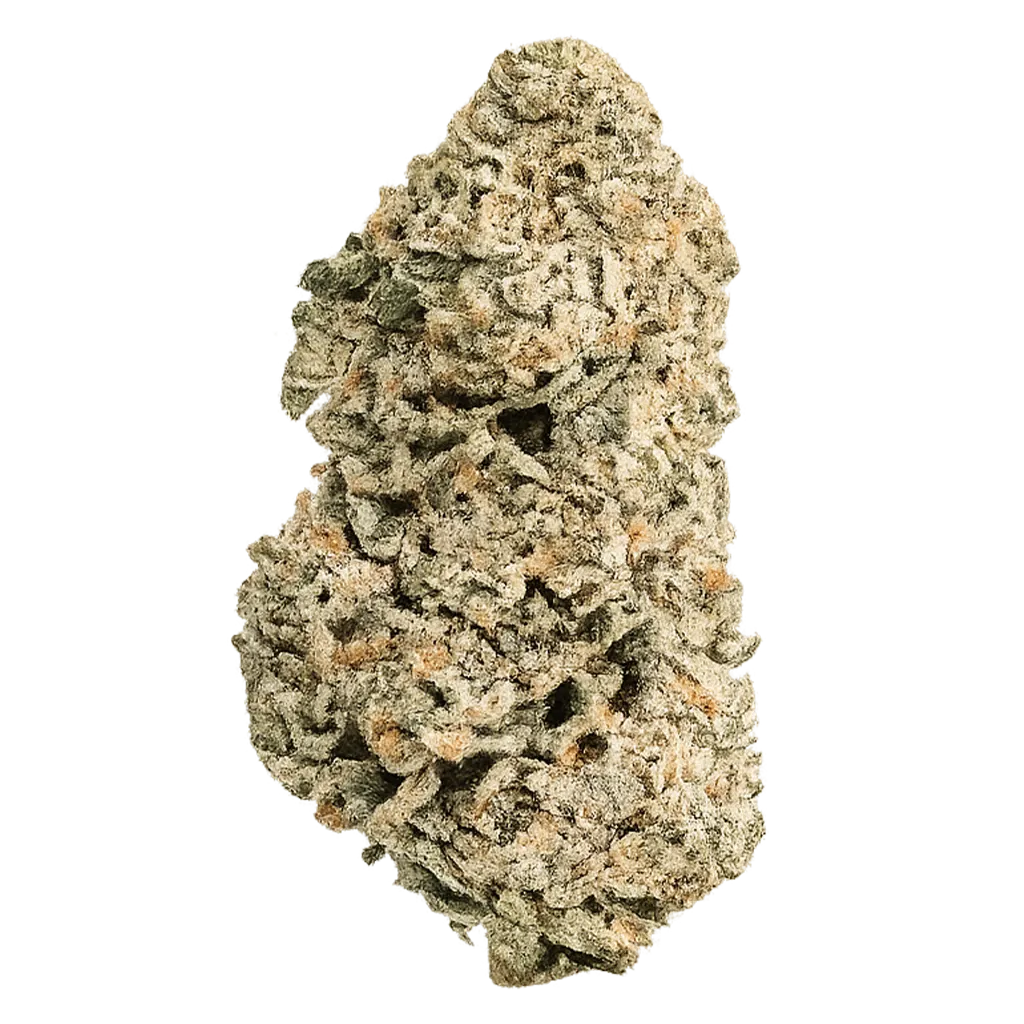
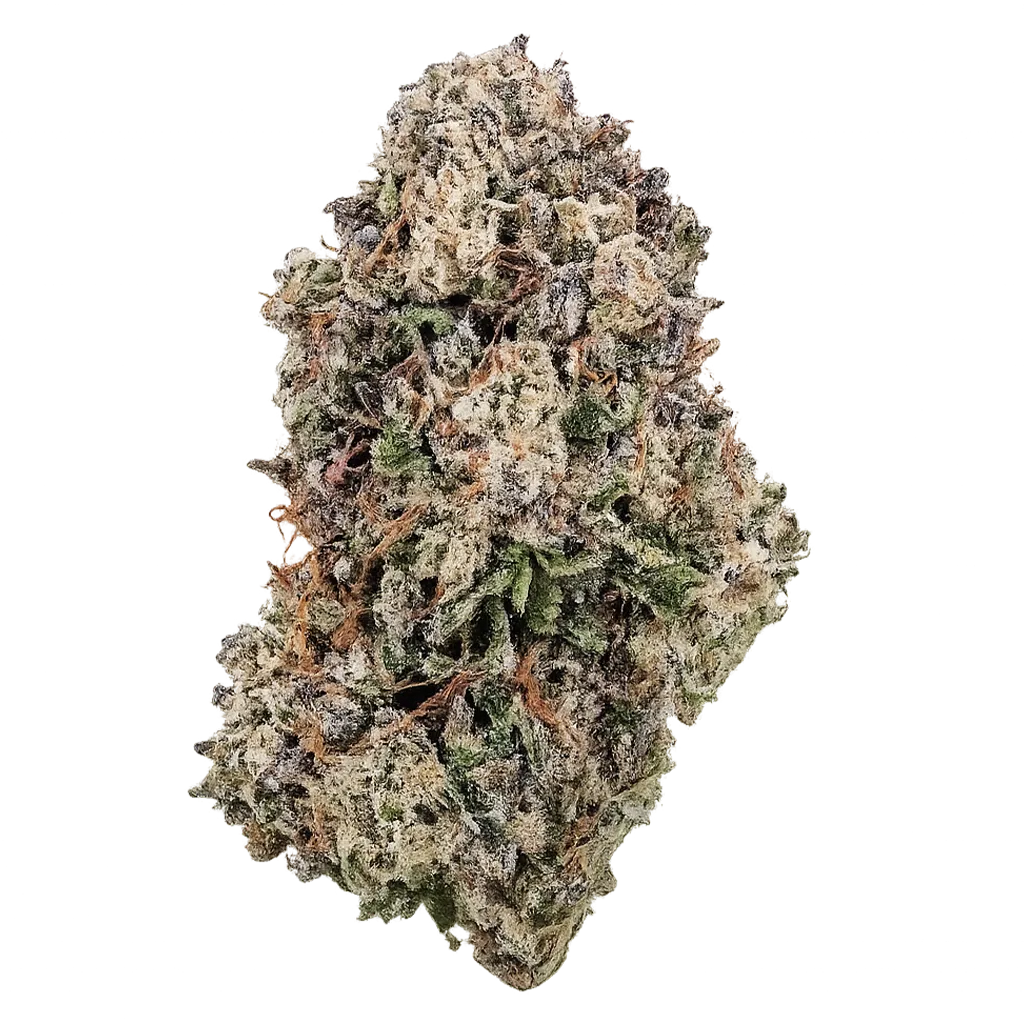
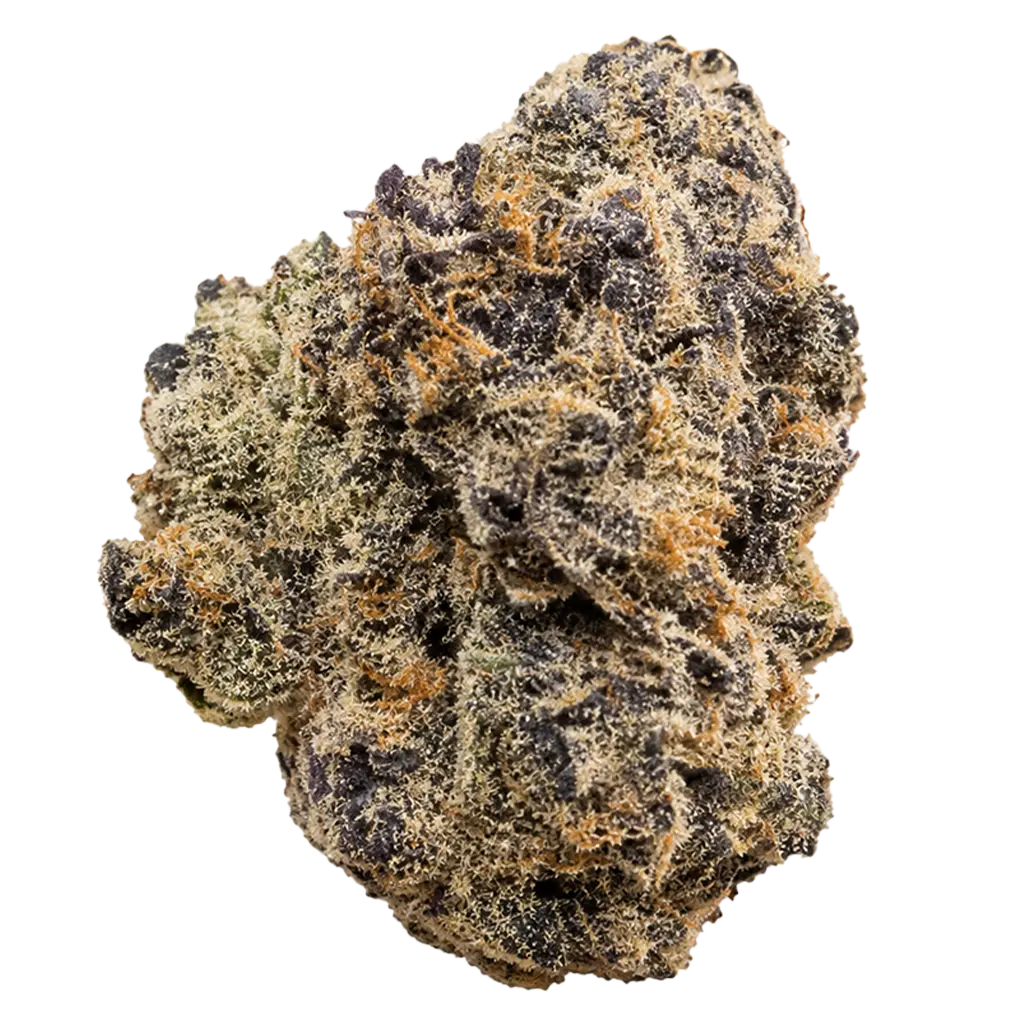
Unlike many newer hybrids that gain popularity through branding alone, the lava cake weed strain has remained relevant because it consistently performs well across multiple areas. Indoor cultivators often value its manageable flowering period, while dispensaries appreciate its visual appeal and aroma profile. Dense buds with deep green and purple hues, bright orange pistils, and thick trichome coverage make it easy to recognize on premium dispensary shelves.
Commercially, Lava Cake continues performing well across several product categories. Premium flower remains its primary market, but many processors also use high-quality harvests for prerolls, concentrates, and solventless extraction because of the cultivar’s strong resin production. As wholesale demand continues growing for dessert-forward genetics, Lava Cake remains one of the cultivars frequently selected by operators looking for dependable flower quality without sacrificing production consistency.
While aroma and appearance often attract first-time buyers, experienced cultivators usually evaluate a strain by its cannabinoid content, terpene profile, flowering characteristics, and production potential. The lava cake strain performs well across each of these categories, making it a dependable option for both commercial cultivation and premium retail inventory.
| Characteristic | Typical Profile |
| Strain Type | Indica-Dominant Hybrid |
| Parent Genetics | Grape Pie × Thin Mint GSC |
| Typical THC Range | 20-28%* |
| CBD Content | Usually below 1% |
| Dominant Terpenes | Caryophyllene, Myrcene, Limonene |
| Flowering Time | 8-10 weeks (Indoor) |
| Indoor Yield | 400-500 g/m² |
| Outdoor Yield | 500-700 g/plant |
| Primary Flavor Notes | Chocolate, Vanilla, Mint, Earthy Sweetness |
| Commercial Uses | Premium Flower, Prerolls, Concentrates |
*Cannabinoid percentages vary depending on genetics, cultivation methods, harvest timing, and laboratory testing.
Beyond its cannabinoid profile, one reason the lava cake weed strain remains commercially successful is its consistency. Indoor growers often report compact plant structure and predictable flowering behavior, making canopy management easier than with many vigorous hybrid cultivars.
Commercial facilities also value their ability to produce dense, resin-rich flowers that perform well for THCA Concentrates while maintaining an attractive appearance after trimming and curing.
The terpene profile also contributes to its popularity. Caryophyllene commonly delivers peppery spice, myrcene adds earthy sweetness, and limonene introduces subtle citrus brightness that balances the cultivar’s dessert-like aroma. This combination creates a recognizable profile that continues attracting both experienced cannabis consumers and dispensaries looking for premium shelf inventory.
Rather than relying on high THC numbers alone, Lava Cake offers a combination of flavor, appearance, and cultivation performance that has helped it remain relevant in an increasingly competitive cannabis market.
The lava cake strain taste is one of the biggest reasons this cultivar continues attracting both experienced cannabis consumers and premium dispensaries. Its terpene profile delivers a dessert-inspired experience that combines sweetness with subtle earthy and spicy undertones. While flavor can vary slightly between phenotypes and cultivation methods, most well-grown batches maintain a rich combination of chocolate, vanilla, mint, and baked pastry notes.
Before the flower is even broken apart, Lava Cake often releases a sweet, dough-like aroma with hints of cocoa and fresh earth. Once ground, the fragrance becomes noticeably richer as spicy pepper, herbal notes, and light citrus characteristics begin to develop. This layered aroma profile largely comes from the interaction between caryophyllene, myrcene, and limonene, three terpenes commonly found in quality Lava Cake harvests.
The first inhale usually delivers smooth chocolate and vanilla flavors, followed by mild herbal spice. As the session continues, subtle mint and earthy notes become more noticeable, creating a balanced flavor profile instead of an overly sweet finish. This complexity has helped the lava cake weed strain remain competitive among today’s dessert-style cannabis cultivars, much like the Birthday Cake strain, which is also known for its rich dessert-inspired terpene profile.
The lava cake strain effects are commonly described as relaxing, physically calming, and mentally uplifting, although individual experiences can vary depending on cannabinoid content, terpene profile, product quality, and personal tolerance. As an indica-dominant hybrid, Lava Cake is often chosen by experienced consumers looking for a balanced experience that begins with gentle cerebral stimulation before gradually transitioning into full-body relaxation.
Rather than producing an immediate heavy sensation, many users report a gradual progression of effects throughout the session.
The experience often begins with an elevated mood and a calm mental state. Some consumers describe feeling more focused or socially relaxed during the early stages, making the cultivar suitable for slower-paced evenings or casual social settings.
As the cannabinoids continue taking effect, physical relaxation usually becomes more noticeable. Many consumers report reduced physical tension while remaining mentally engaged. Depending on the lava cake strain THC level, this stage may feel significantly stronger for individuals with lower THC tolerance.
Toward the end of the session, the indica influence generally becomes more pronounced. Many experienced consumers choose Lava Cake during the evening because of its deeply relaxing finish and slower overall pace compared to more energizing cultivars.
Like any high-THC cannabis cultivar, the lava cake strain effects may vary depending on serving size and individual tolerance, similar to the balanced experience often associated with the MAC 1 strain. Starting with a moderate amount is generally recommended, particularly for consumers unfamiliar with high-potency cannabis varieties.
The lava cake strain THC level is one of the primary reasons this cultivar remains popular among experienced cannabis consumers and commercial retailers. Most laboratory-tested batches typically range between 20% and 28% THC, although cannabinoid percentages can vary depending on genetics, cultivation methods, harvest timing, and post-harvest processing. Rather than chasing the highest THC numbers, many cultivators focus on producing a balanced flower that combines potency with terpene expression, a trend also seen in the Lemon Cherry Gelato strain.
While laboratory results vary from one harvest to another, most well-grown Lava Cake flowers fall within a fairly consistent cannabinoid range. The table below highlights the typical cannabinoid profile reported across commercially cultivated lava cake weed strain batches.
| Cannabinoid | Typical Range |
| THC | 20-28% |
| CBD | Below 1% |
| CBG | 0.2-1.0% |
| CBC | Trace-0.5% |
| CBN | Trace amounts |
These values represent commonly reported laboratory ranges rather than guaranteed results. Environmental conditions, nutrient management, phenotype selection, drying practices, and curing techniques can all influence the final cannabinoid profile. Commercial cultivators often prioritize consistency across harvest batches instead of simply producing the highest THC percentage, especially for premium flower and THCA Disposables, where reliable cannabinoid profiles remain equally important.
The lava cake weed strain continues performing well in commercial cannabis markets because it offers more than high THC content. Cultivators appreciate its manageable growth characteristics, while dispensaries value its appearance, aroma, and consistent consumer demand. Together, these qualities make Lava Cake one of the more dependable dessert cultivars for premium flower programs.
Retail buyers often look for cultivars that combine visual appeal with recognizable flavor profiles. Lava Cake consistently delivers dense buds, vibrant coloration, dessert-forward aromas, and strong shelf presentation. These qualities help create repeat customer demand across premium flower categories while also supporting prerolls, solventless extraction, and concentrate production.
The black lava cake strain is generally considered a phenotype or cultivar variation rather than a completely separate genetic line. Depending on the breeder and cultivation program, plants marketed under this name may display darker purple coloration, increased anthocyanin expression, or slight terpene differences while still sharing many characteristics with traditional Lava Cake genetics.
Some growers report that the black lava cake strain develops deeper purple hues when exposed to cooler nighttime temperatures during flowering. Its aroma may lean slightly more toward earthy sweetness and gas, while other phenotypes retain stronger chocolate and vanilla notes. These differences are typically subtle and should not be viewed as universal across every harvest.
Like the original Lava Cake, cannabinoid percentages usually remain within a similar range, although individual laboratory results can vary by phenotype and cultivation practices. For wholesale buyers and dispensaries, evaluating current laboratory testing, terpene profiles, and overall flower quality is often more valuable than relying solely on the cultivar name. This approach helps ensure consistent inventory selection while meeting customer expectations across premium cannabis categories.
The lava cake strain continues earning its place among today’s premium cannabis cultivars because it combines strong cannabinoid expression, dessert-inspired flavors, attractive flower structure, and dependable cultivation performance. Rather than standing out for THC alone, it delivers a balanced combination of aroma, resin production, and commercial consistency that appeals to both experienced consumers and wholesale buyers.
As demand for premium flower continues growing, the lava cake weed strain remains a reliable option across dispensary shelves, prerolls, and concentrate production. Whether you’re exploring premium cultivars through TerpSourced or evaluating cannabinoid percentages, terpene profiles, and cultivation characteristics, this cultivar continues demonstrating why it has become one of the most recognizable dessert hybrids in the modern cannabis market.
The lava cake strain is an indica-dominant hybrid created by crossing Grape Pie and Thin Mint GSC. It is widely recognized for its dense buds, resin-rich trichomes, dessert-inspired terpene profile, and balanced cannabinoid content, making it popular among both commercial cultivators and experienced cannabis consumers.
The typical lava cake strain THC level ranges between 20% and 28%, although laboratory results can vary depending on genetics, cultivation practices, harvest timing, and post-harvest processing. Commercial growers usually prioritize consistency alongside potency rather than simply producing the highest THC percentages.
The lava cake strain taste is commonly described as a blend of chocolate, vanilla, sweet dough, earthy spice, and light mint. Its flavor profile is largely influenced by dominant terpenes such as caryophyllene, myrcene, and limonene, which create a rich, dessert-like smoking experience.
The lava cake strain effects often begin with a calm, uplifting mood before gradually transitioning into full-body relaxation. Individual experiences vary depending on THC tolerance, serving size, terpene profile, and the specific phenotype being consumed.
Yes. Many commercial cultivators prefer Lava Cake because it generally flowers within 8-10 weeks, develops compact plants, and produces dense, resin-rich flowers that perform well in controlled indoor cultivation environments.
Most laboratory-tested Lava Cake flower contains caryophyllene, myrcene, and limonene as its dominant terpenes. Together, they contribute to the cultivar’s earthy sweetness, dessert-like aroma, mild spice, and balanced flavor profile.
The black lava cake strain is generally considered a phenotype or breeder variation rather than an entirely separate cultivar. Differences usually involve darker coloration, slight terpene variation, or subtle aroma changes while maintaining genetics similar to the original Lava Cake.
Commercial cultivators and retailers value Lava Cake because it combines dependable flowering performance, attractive bag appeal, strong trichome production, and consistent consumer demand. These qualities make it suitable for premium flower, prerolls, and concentrate production.
No. Although the lava cake strain THC level is considered relatively high, its popularity also comes from terpene expression, resin production, attractive flower appearance, cultivation consistency, and its dessert-inspired flavor profile, all of which contribute to its long-standing commercial success.