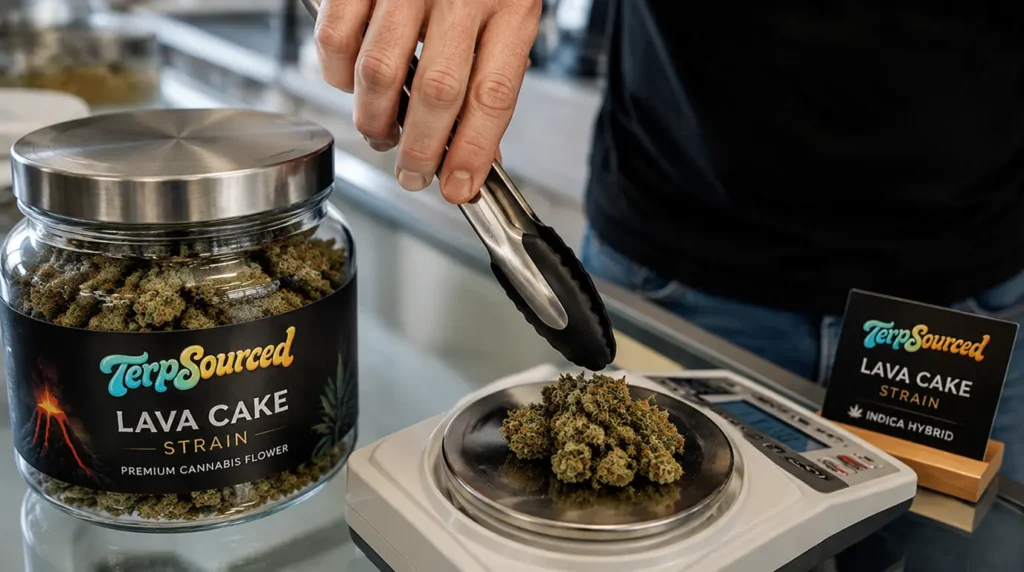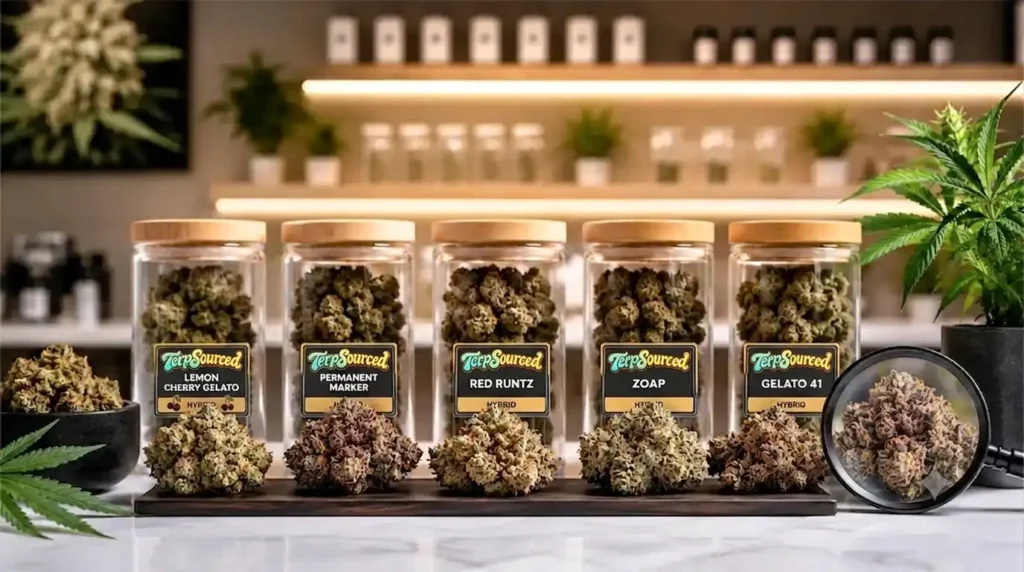
A high THCA percentage alone rarely guarantees shelf space inside a dispensary. Purchasing teams review laboratory reports, post-harvest performance, inventory fit, and long-term supplier consistency before approving new products. Every batch must meet both compliance requirements and commercial expectations.
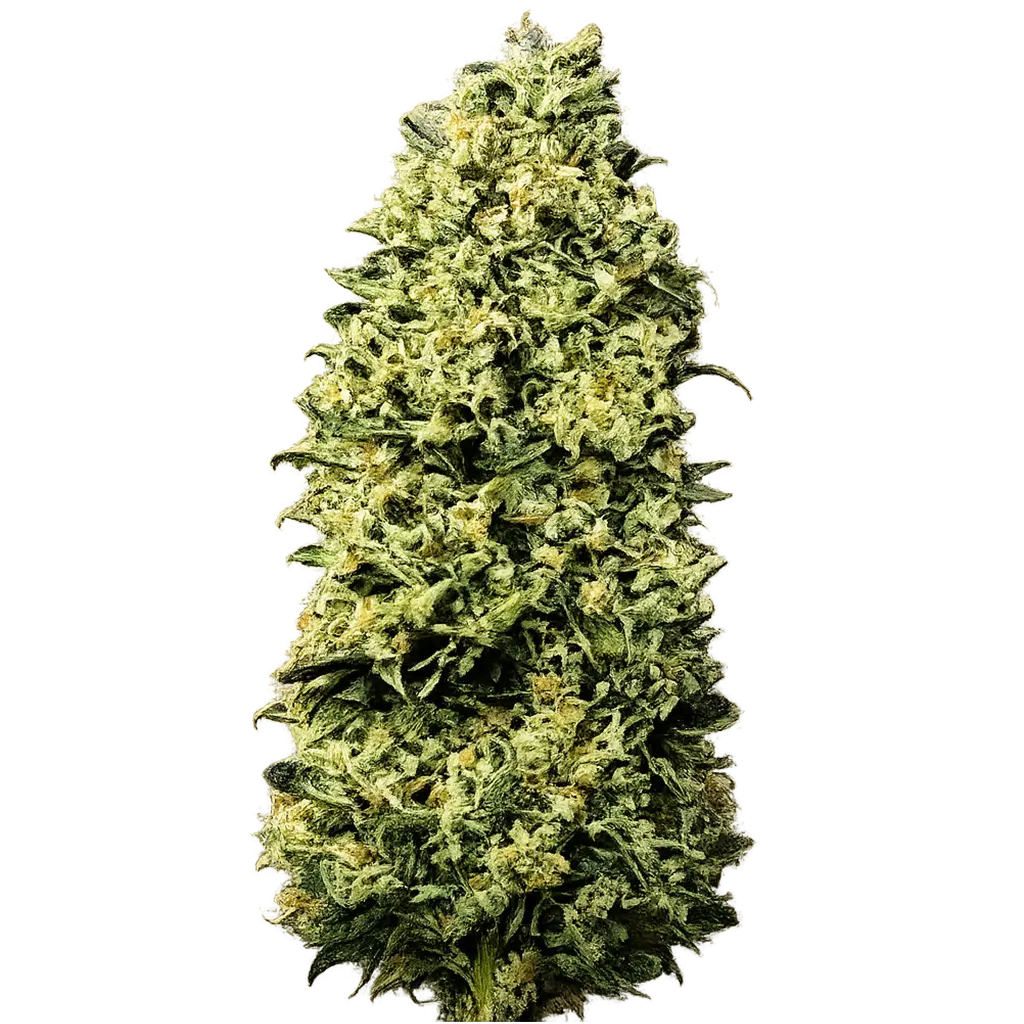
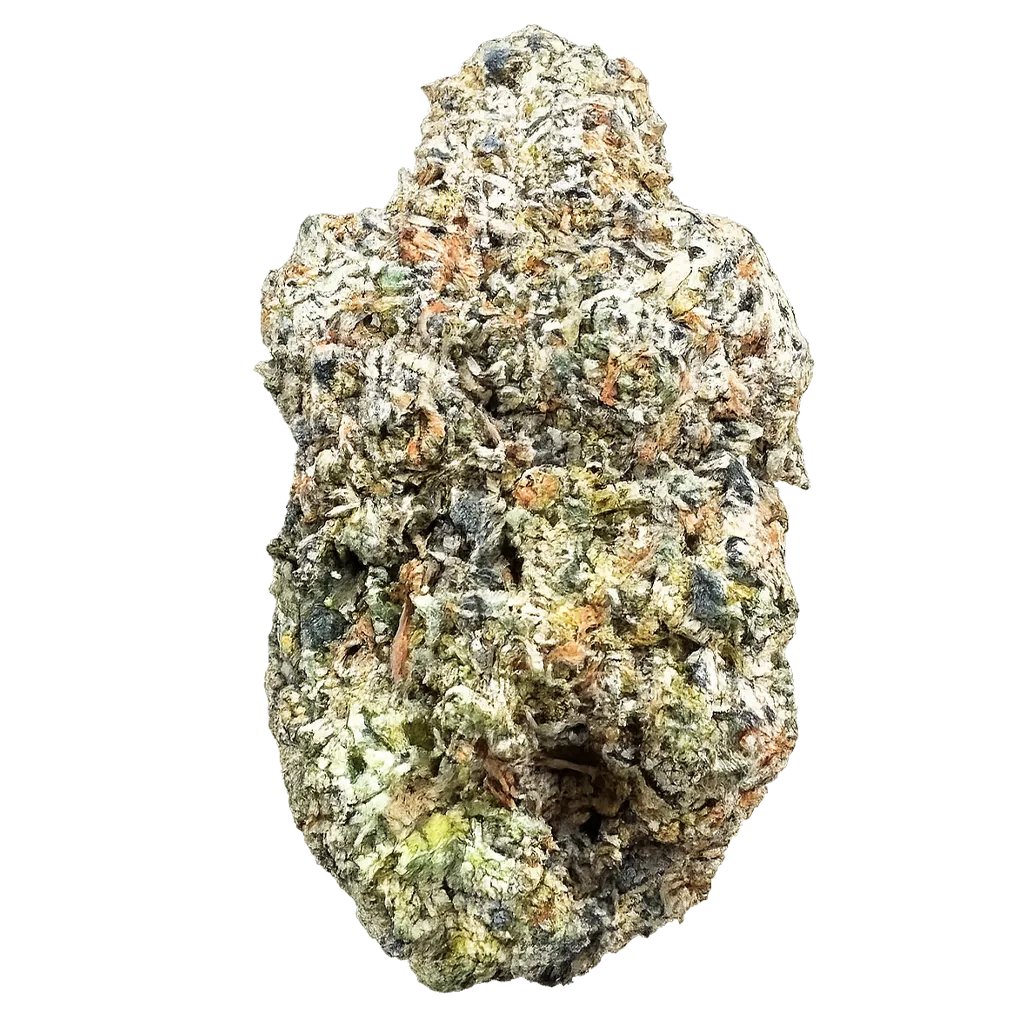
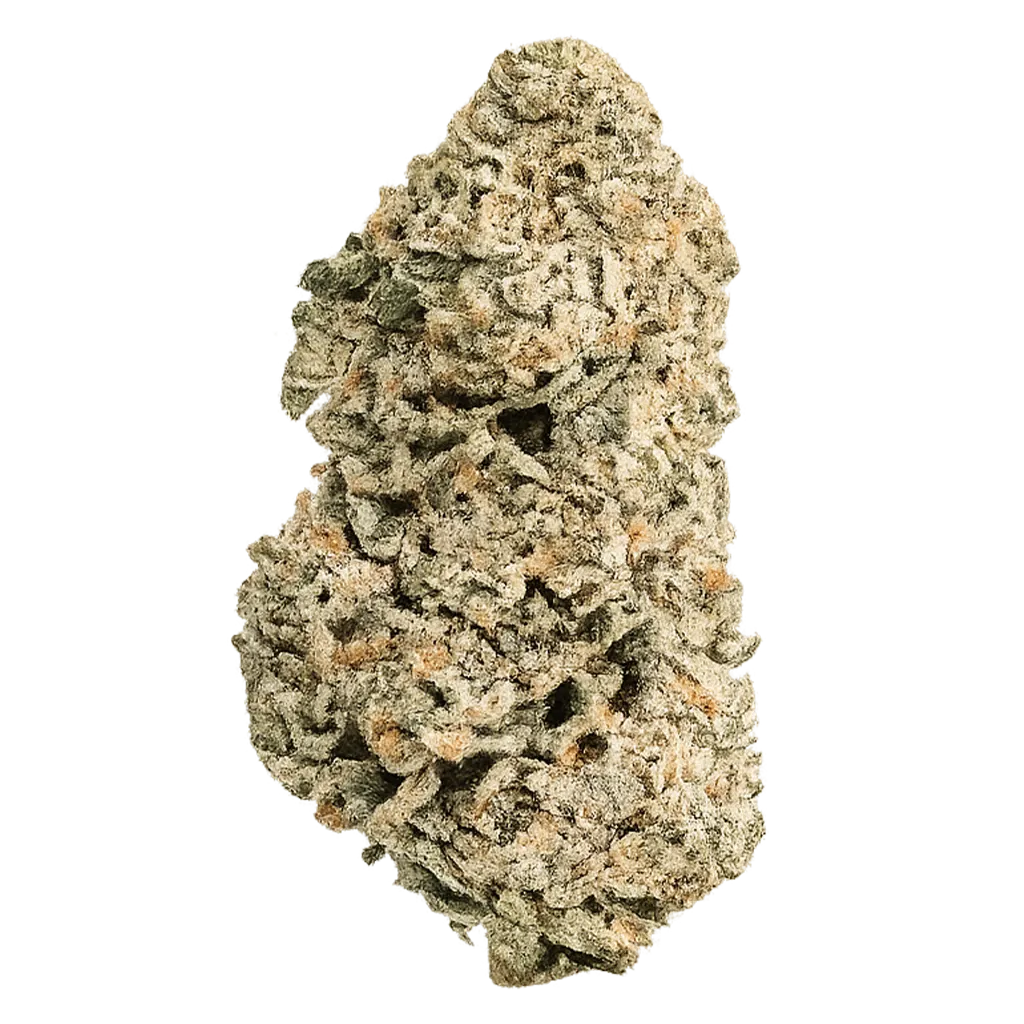
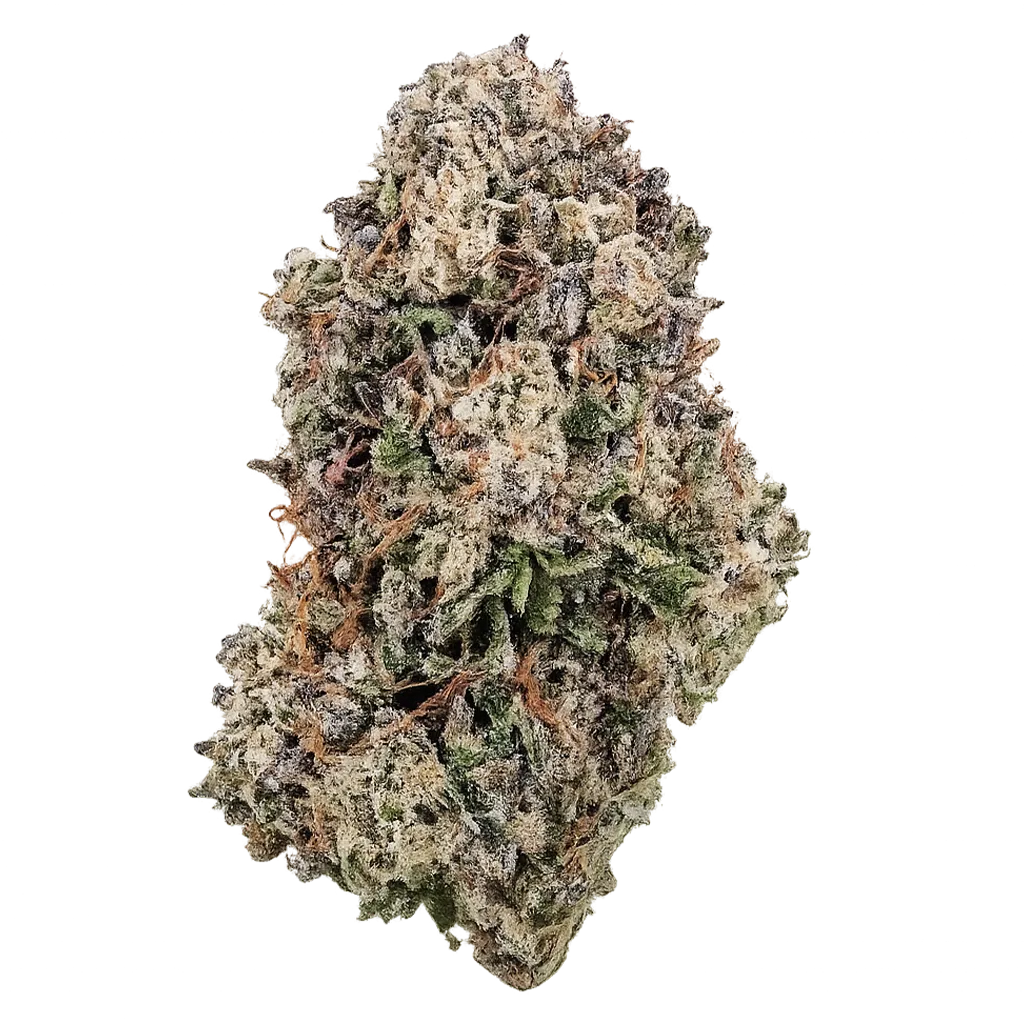
Understanding how dispensary grade THCA is evaluated helps explain why some products reach premium shelves while others never move beyond the procurement stage.
Not every cannabis batch that tests high in cannabinoids qualifies as dispensary grade THCA. Before a product reaches retail shelves, dispensary purchasing teams evaluate whether it meets consistent quality expectations across appearance, laboratory testing, curing performance, and long-term inventory stability. A flower that performs well in one category but falls short in another may never enter commercial distribution.
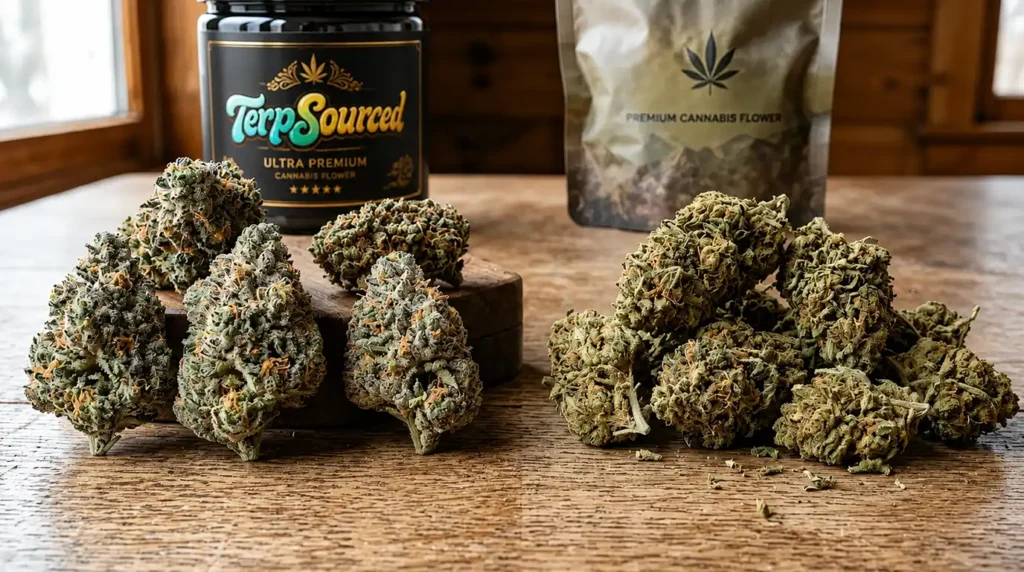
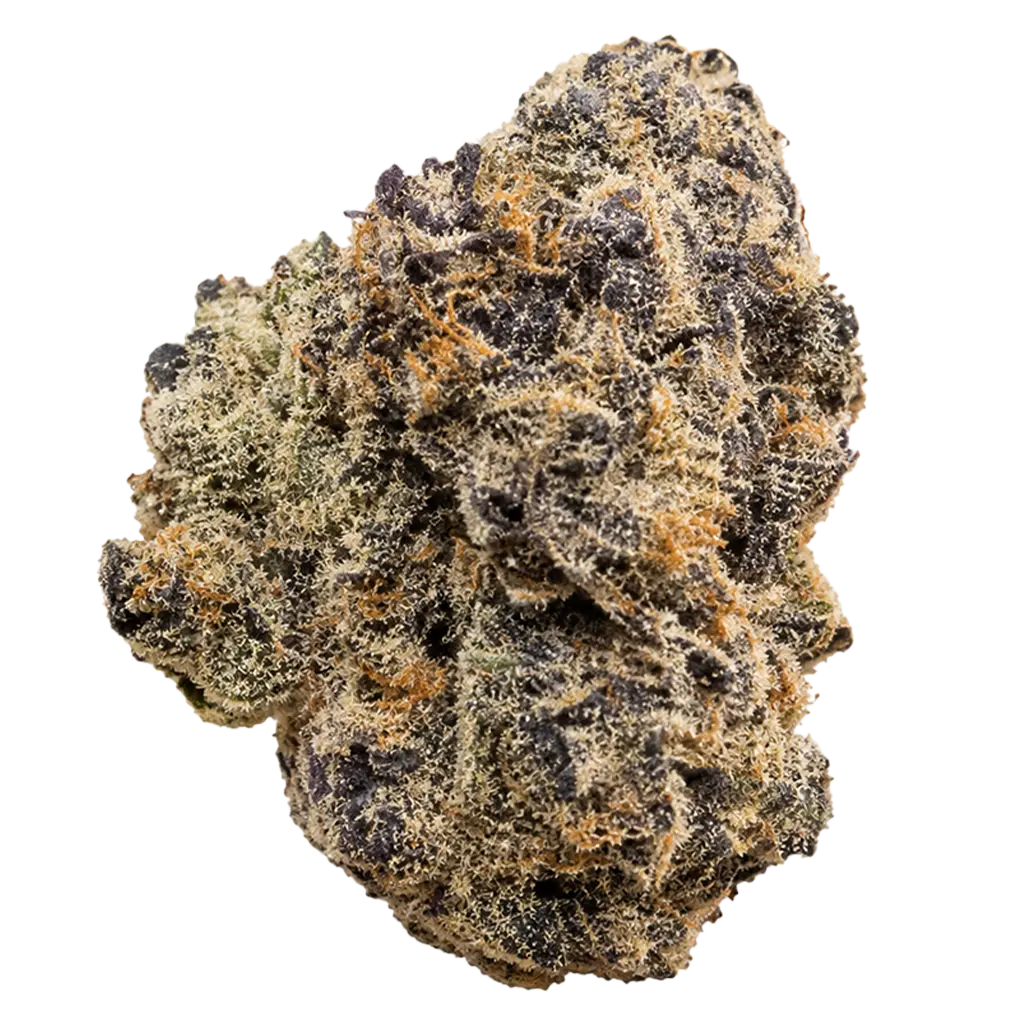
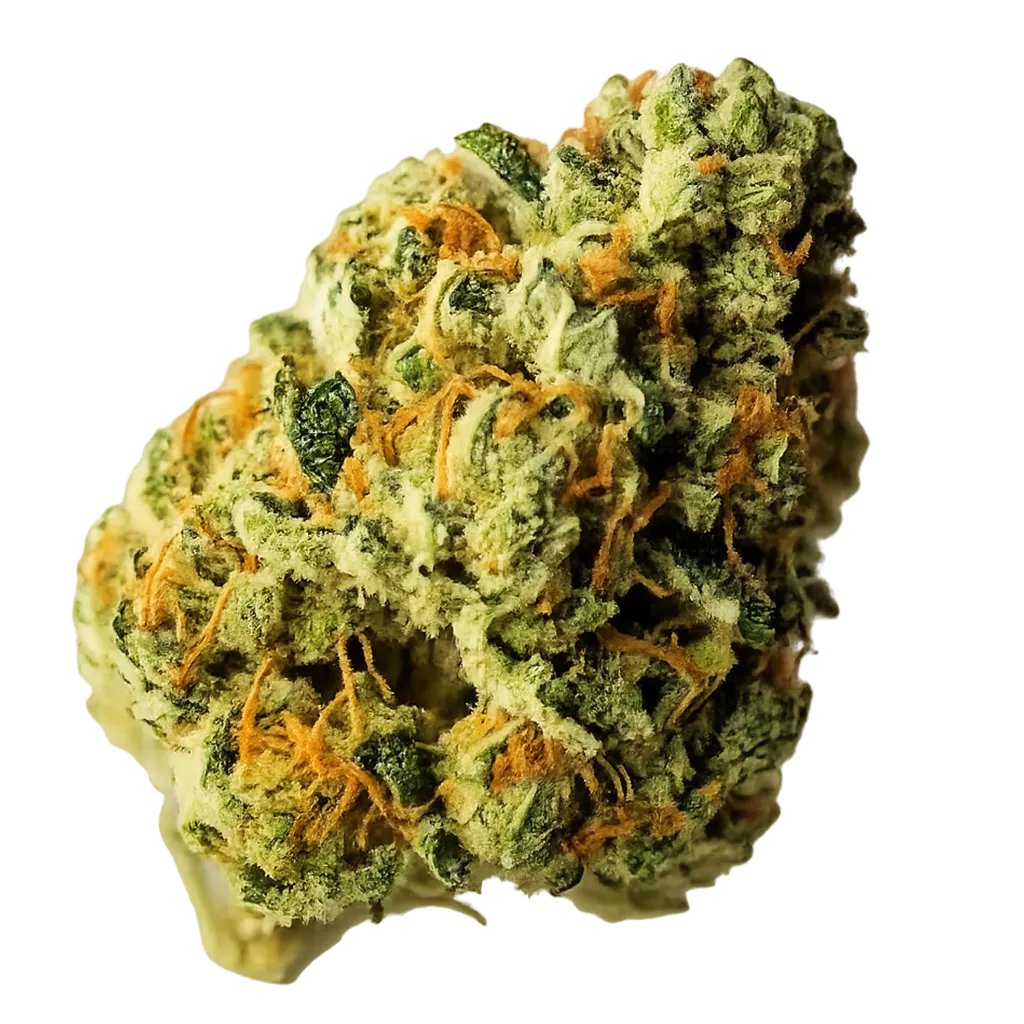
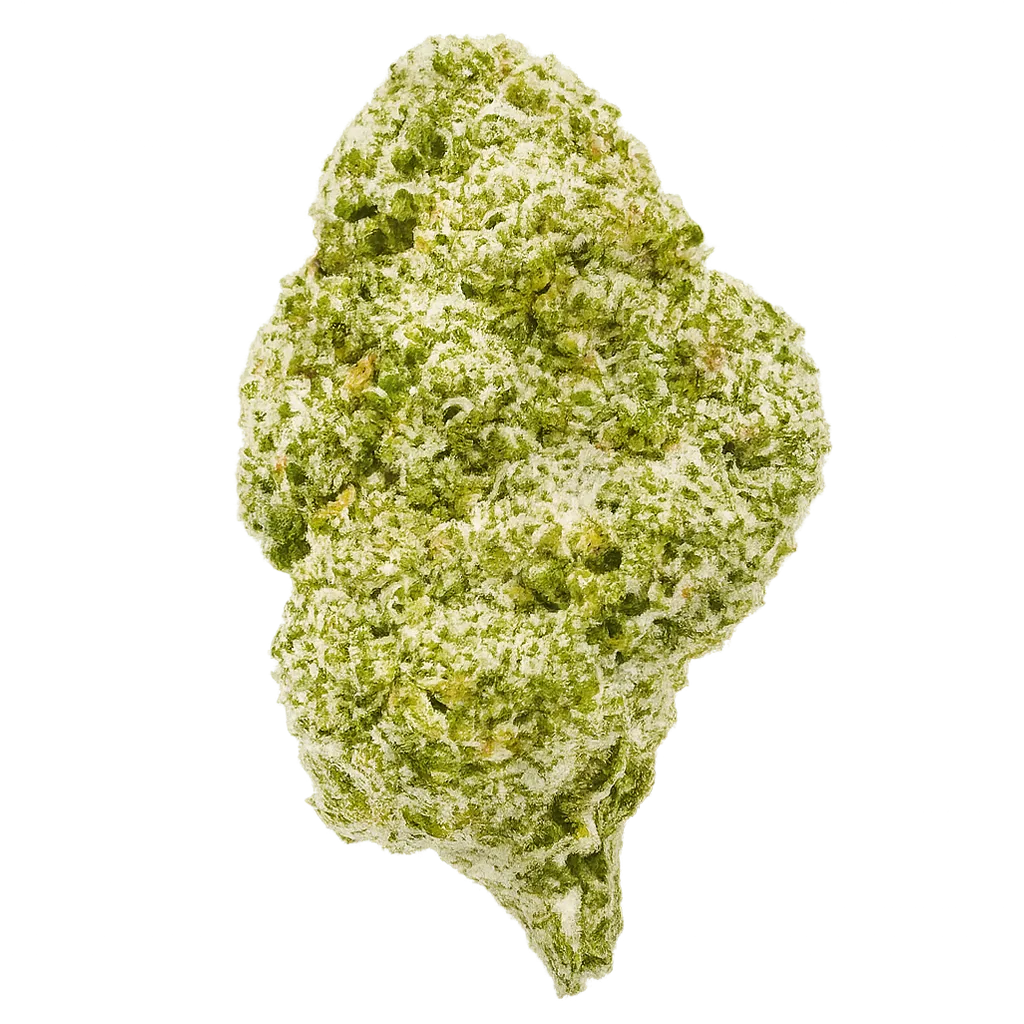
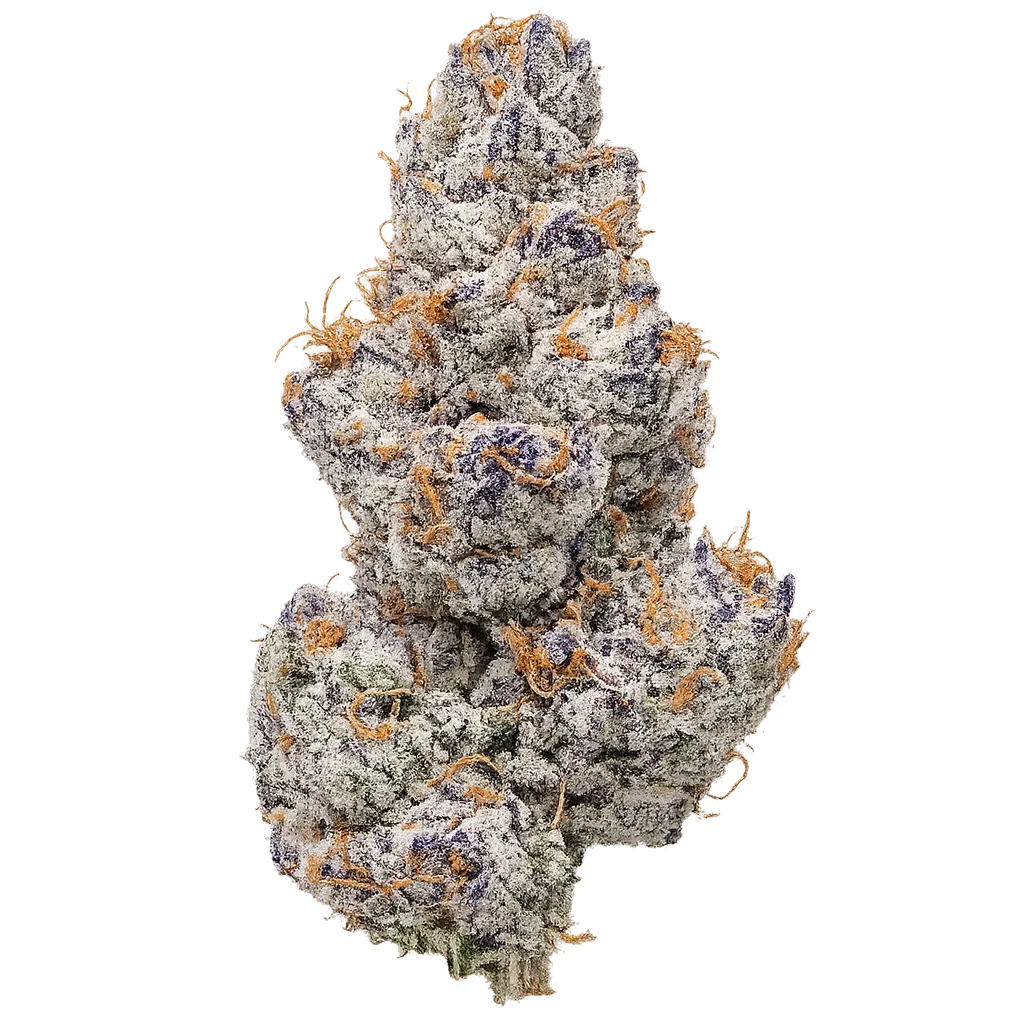
Visual inspection is usually the first step, but experienced buyers rarely base purchasing decisions on appearance alone. Dense flower structure, mature trichome coverage, proper trimming, and consistent coloration help create a strong first impression, yet laboratory verification carries much greater weight. A batch that looks exceptional but fails microbial screening or moisture analysis represents a significant commercial risk.
Dispensary buyers also evaluate whether suppliers can reproduce the same quality across multiple production lots rather than a single successful harvest. Consistency matters because repeat customers expect similar aroma, appearance, potency, and overall experience every time they purchase the same THCA flower. Suppliers capable of maintaining stable THCA flower quality standards often become preferred partners for long-term inventory planning rather than one-time purchasing opportunities.
Most dispensary purchasing decisions begin long before a product reaches the sales floor. Buyers follow structured evaluation processes designed to reduce inventory risk while maintaining product consistency across multiple retail locations. Rather than focusing on a single laboratory result, procurement teams review several quality indicators before moving forward with a purchase.
Even if the flower performs well visually, procurement teams generally wait until compliance documents and laboratory results have been verified before approving inventory. Strong visual quality may attract attention, but verified testing and reliable production history usually determine whether a supplier becomes part of ongoing cannabis procurement programs.
Laboratory testing forms the foundation of commercial cannabis purchasing because it verifies whether a batch meets regulatory requirements and internal retail standards. Even a visually impressive flower may be rejected if laboratory documentation raises concerns about consistency, compliance, or product safety. As wholesale markets continue maturing, THCA flower testing has become one of the most important steps in dispensary purchasing.
Dispensaries review cannabinoid profiles to confirm that laboratory results align with product labeling. Rather than chasing the highest potency, dispensaries usually compare cannabinoid consistency across multiple production batches.
Terpene reports help buyers understand aroma consistency and product positioning, especially when evaluating cultivars discussed in our guide to terpene profiles. Total terpene content commonly falls between 1.5% and 4.0%, although values vary by cultivar, cultivation method, and post-harvest handling. Consistent terpene expression often reflects reliable drying, curing, and storage practices throughout post-harvest handling.
Before inventory approval, dispensaries typically review:
Commercial buyers also verify THCA COA testing to ensure laboratory documentation matches the current production batch before products enter retail distribution.
Before dispensaries approve a new supplier, they typically compare laboratory results with internal purchasing benchmarks to ensure every batch meets commercial quality expectations. While exact requirements vary by market and retailer, the following benchmarks represent some of the most commonly reviewed quality indicators during cannabis procurement.
| Quality Metric | Common Commercial Benchmark |
| THCA Percentage | 22-35% (cultivar dependent) |
| Total Terpenes | 1.5-4.0% |
| Moisture Content | 10-12% |
| Water Activity (Aw) | 0.55-0.65 |
| Microbial Testing | Pass required |
| Pesticide Screening | Pass required |
| Heavy Metal Screening | Pass required |
| COA Status | Current batch verification |
Meeting these benchmarks doesn’t guarantee procurement approval, but it significantly improves a supplier’s chances of passing initial quality reviews.
Dispensary purchasing teams also look beyond laboratory data when evaluating a new supplier. The table below highlights some of the operational factors buyers commonly consider before deciding whether a product is suitable for long-term dispensary inventory rather than a single purchase.
| Evaluation Area | Why It Matters |
| Cannabinoid Profile | Product positioning and label accuracy |
| Terpene Profile | Aroma consistency and customer experience |
| COA Verification | Regulatory compliance and batch validation |
| Moisture & Water Activity | Shelf stability and mold prevention |
| Packaging Quality | Product protection and presentation for premium THCA pre-rolls and flower products. |
| Batch Consistency | Reliable repeat purchasing |
| Supplier Reliability | Long-term procurement planning |
Rather than approving products based on a single high THCA percentage, purchasing teams evaluate how every quality metric supports long-term dispensary inventory performance. In practice, dispensaries usually prefer repeatable quality over isolated laboratory results because consistent inventory performs better across long-term retail programs.
A visually impressive flower can still be rejected if it fails documentation, compliance, or post-harvest evaluations. Purchasing teams regularly reject batches that fail to meet internal quality expectations, even when cannabinoid percentages appear competitive. Retail buyers are responsible for maintaining customer trust, protecting product quality, and reducing inventory risks, so every batch goes through a detailed review before approval.
Laboratory inconsistencies remain one of the leading reasons commercial flowers fail procurement review. A flower may test at 30% THCA but still show weak terpene retention, excessive moisture, incomplete compliance records, or differences between the Certificate of Analysis (COA) and the physical batch. Dispensaries also compare harvest dates, packaging quality, and curing consistency because these factors directly affect shelf life and product stability.
Procurement teams may also reject batches because of excessive stem content, inconsistent trimming, poor aroma retention, damaged packaging, or signs of improper storage, many of which are also covered in our guide to THCA shake and trim. Any of these issues can reduce the overall retail value of the product. As THCA flower quality standards continue evolving, dispensaries increasingly favor suppliers capable of delivering consistent quality across every harvest instead of relying on one exceptional batch.
Producing premium flowers consistently requires more than successful cultivation. Wholesale suppliers follow standardized quality-control procedures throughout cultivation, drying, curing, testing, and packaging to ensure every production batch meets retail expectations. Reliable systems help reduce variation and improve long-term relationships with dispensary buyers looking for dependable premium THCA flower wholesale partners.
Below are some of the quality-control practices commercial suppliers commonly implement before products enter wholesale distribution.
Environmental controls, irrigation schedules, nutrient programs, and harvest timing are monitored throughout the cultivation cycle to improve consistency between production batches.
Many commercial facilities maintain moisture content between 10% and 12% while carefully monitoring curing conditions. Proper drying helps preserve cannabinoid content, terpene expression, aroma, and long-term shelf stability.
Every production lot typically undergoes THCA flower testing before distribution. Suppliers review cannabinoid profiles, terpene content, microbial screening, pesticide analysis, heavy metals, moisture levels, and water activity before releasing inventory.
Commercial suppliers also monitor packaging materials, storage conditions, batch traceability, and transportation procedures to reduce product degradation after harvest and throughout distribution.
Dispensaries often value consistency just as much as potency. Suppliers capable of delivering repeatable quality across multiple harvests are more likely to establish long-term purchasing relationships while supporting consistent hybrid strains and premium flower inventory.
Securing shelf space is only the first step in building a successful wholesale relationship. Dispensaries prefer suppliers who consistently deliver reliable products, accurate documentation, and dependable communication throughout the purchasing process. Long-term partnerships are usually built on repeatable performance rather than a single outstanding harvest.
Reliable suppliers maintain updated laboratory reports, provide complete compliance documentation, and consistently deliver flowers that match previous production batches. Stable cannabinoid profiles, repeatable terpene expression, dependable packaging quality, and predictable delivery schedules help purchasing teams forecast dispensary inventory more accurately while reducing customer complaints and product returns.
Transparency also plays an important role in supplier relationships. Buyers appreciate partners who openly communicate cultivation methods, harvest dates, post-harvest handling, storage conditions, and testing procedures. As demand for dispensary-grade THCA continues growing, suppliers who combine operational consistency with transparent quality assurance are better positioned to secure recurring procurement opportunities across multiple retail locations.
Evaluating THCA flower involves much more than checking the highest cannabinoid percentage on a laboratory report. Dispensary purchasing teams assess flower structure, terpene profiles, moisture content, compliance documentation, packaging quality, and supplier consistency before approving products for retail shelves. Every stage of the evaluation process helps reduce inventory risk while ensuring customers receive products that meet both regulatory requirements and commercial expectations.
As wholesale cannabis markets continue becoming more competitive, suppliers who consistently meet THCA flower quality standards stand out from those relying on occasional high-performing harvests. Reliable cultivation practices, accurate laboratory documentation, standardized post-harvest procedures, and transparent communication all contribute to stronger long-term partnerships. Understanding how dispensaries evaluate cannabis gives cultivators and wholesalers a clearer path toward building lasting relationships and securing valuable retail shelf space.
Dispensary grade THCA refers to flower that consistently meets commercial expectations for appearance, laboratory verification, terpene retention, moisture balance, curing quality, and regulatory compliance. Buyers also evaluate batch consistency and supplier reliability before approving products for long-term retail inventory.
Laboratory testing confirms cannabinoid content, terpene profiles, microbial safety, pesticide compliance, heavy metal screening, and moisture levels. These reports help dispensaries verify product quality while ensuring inventory satisfies both regulatory requirements and internal purchasing standards before reaching retail shelves.
A Certificate of Analysis (COA) is an independent laboratory report verifying cannabinoid potency, terpene content, contaminant screening, moisture levels, and other quality metrics for a specific cannabis batch. Purchasing teams compare COAs with physical inventory before approving wholesale purchases.
Many commercial producers target a moisture content between 10% and 12% because it helps preserve flower quality, reduces mold risks, and supports stable storage conditions throughout transportation, wholesale distribution, and retail shelf life.
Yes. High cannabinoid percentages alone rarely guarantee approval. Buyers also evaluate aroma, terpene retention, curing quality, packaging condition, laboratory compliance, moisture balance, and consistency across multiple harvest batches before accepting new inventory.
Terpenes influence aroma, flavor, product differentiation, and customer experience. Purchasing teams often compare terpene profiles with cannabinoid reports because balanced laboratory results usually indicate stronger post-harvest handling and more consistent flower quality.
Consistent batches help retailers deliver a reliable customer experience with every purchase. Stable cannabinoid content, repeatable terpene expression, appearance, and curing quality also simplify inventory planning while reducing complaints, returns, and unexpected product variations.
Packaging protects cannabis from oxygen, moisture fluctuations, light exposure, and physical damage during transportation and storage. Well-designed packaging also helps preserve terpene content, cannabinoid stability, aroma, and overall shelf life after products reach dispensaries.
Wholesale suppliers improve their opportunities by maintaining consistent cultivation practices, providing accurate laboratory documentation, following standardized post-harvest procedures, communicating transparently, and delivering dependable product quality across every harvest instead of focusing only on exceptionally high-potency batches.